You do not need to sit in a waiting room to get a prescription. In most cases, a licensed doctor can evaluate your symptoms, make a clinical decision, and send a prescription directly to your pharmacy without you ever leaving home.
The catch? You still need a real doctor to do it. There is no legal way to get prescription medication without a licensed provider signing off on it.
Can You Legally Get a Prescription Without an In-Person Visit?
Yes, in most US states and Canadian provinces, a licensed doctor can prescribe medication after a virtual consultation. The rules vary by location and by drug type.
In the US, online prescribing is primarily regulated at the state level. Most states allow telehealth consultations for non-controlled medications, meaning a doctor can legally prescribe antibiotics, blood pressure medication, or birth control after a video or chat-based visit without ever meeting you in person.
Federal temporary flexibilities remain in place through 2026, though individual telehealth platforms often choose to restrict them due to company policy or varying state laws.
In Canada, provincial colleges of physicians set the rules. Most provinces permit prescribing via telehealth for straightforward conditions. The bottom line: the consultation can be virtual. The prescription still requires a real, licensed provider.
No More Unnecessary Waiting For A Simple Prescription
Your prescription is ready for pick up
“No more waiting for a prescription. Connect today with an online doctor to receive an instant online prescription.”
“Tired of waiting at the pharmacy to collect a prescription? Connect with a Canadian-licensed doctor and receive an instant online prescription.”
How Telehealth Prescriptions Actually Work
The process is straightforward and takes less time than a typical clinic visit.
You sign up with a telehealth platform and describe your symptoms through a secure chat, questionnaire, or video call. A licensed physician or nurse practitioner reviews your information. If they determine a prescription is clinically appropriate, they send it electronically to a pharmacy of your choice or arrange delivery directly to your door.
At Your Doctors Online, consultations are available 24/7 with no appointment required. A board-certified doctor reviews your case, and if a prescription is warranted, you can have it sent to a local pharmacy or delivered same-day in eligible areas.
What happens during the consultation:
- You describe your symptoms or upload relevant documents
- The doctor may ask follow-up questions via chat, audio, or video
- They assess your case and determine whether a prescription is appropriate
- If prescribed, the order is sent directly to your preferred pharmacy
No in-person visit. No waiting room. No insurance required.
What Medications Can Be Prescribed Online?
Online doctors can prescribe a wide range of medications covering both acute and chronic conditions. Common categories include:
Infections and acute illness: Antibiotics for urinary tract infections, sinus infections, and skin infections. Antivirals for cold sores or flu. Antifungals for yeast infections.
Chronic condition management: Blood pressure medications, including ACE inhibitors and beta-blockers. Diabetes medications, including Metformin and other oral hypoglycemics. Thyroid medications and asthma inhalers such as Albuterol.
Sexual and reproductive health: Birth control pills and emergency contraceptives. Erectile dysfunction medications such as sildenafil (Viagra) and tadalafil (Cialis). STI treatment after assessment.
Skin and hair: Acne medications, including topical retinoids and doxycycline. Finasteride for hair loss. Topical treatments for rashes and skin conditions.
Mental health: SSRIs and SNRIs for anxiety and depression, including fluoxetine. Sleep medications in some cases.
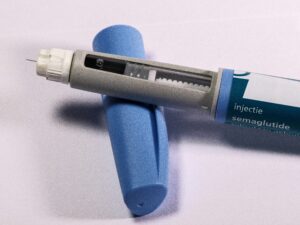
Weight management: GLP-1 receptor agonists and other weight loss medications, where clinically appropriate.
What Cannot Be Prescribed Online?
Controlled substances are the primary category that online platforms cannot prescribe or can only prescribe under strict conditions.
In the United States, the Ryan Haight Act generally requires an in-person evaluation before Schedule II–V controlled substances can be prescribed through telehealth. This covers opioid pain medications, stimulants like Adderall, and benzodiazepines like Xanax. There are some exceptions introduced during and after the COVID-19 public health emergency, but these are narrow and vary by state.
Beyond controlled substances, some conditions genuinely require physical examination. A doctor cannot diagnose a broken bone, detect an irregular heartbeat, or evaluate a suspicious skin lesion over a chat interface. Any condition where the diagnosis depends on hands-on physical findings will require an in-person visit.
When Should You See a Doctor in Person?
Telehealth works well for straightforward conditions with recognizable symptoms. It does not replace an in-person visit for everything.
Go to a clinic or emergency room if you have:
- Chest pain, difficulty breathing, or suspected stroke symptoms. These are emergencies. Do not use telehealth.
- Severe abdominal pain that could indicate appendicitis or another acute surgical condition.
- High fever in infants under 3 months old. Young infants require direct physical assessment.
- A wound that may need sutures or an injury requiring imaging.
- Symptoms that have not improved after completing an online treatment course.
For everything else, including infections, chronic condition refills, sexual health, skin issues, and minor illnesses, a virtual consultation is usually sufficient.
Emergency Prescription Refills
If you run out of an essential medication unexpectedly, telehealth can cover you quickly.
At Your Doctors Online, doctors can issue an emergency prescription refill to cover you for up to one week while you arrange follow-up care. Once the follow-up is complete and the doctor has reassessed your condition, they can issue a refill valid for up to 90 days.
For controlled substances, emergency refills are more limited. Your pharmacist may be able to provide a short supply in some states, but most will require contact with the original prescribing physician.
If you take a critical medication like insulin, blood thinners, or thyroid hormones, do not wait until you run out entirely. Contact a telehealth provider as soon as you realize you are running low.
How to Get a Prescription Online: Step by Step
- Create an account with a telehealth platform. Your Doctors Online requires no insurance and no pre-booking.
- Select your concern. Choose the condition or medication type that applies to your situation.
- Describe your symptoms. Provide your medical history, current medications, and any relevant documents or photos.
- Consult with a doctor. The physician will review your case and may ask follow-up questions via chat or video.
- Receive your prescription. If the doctor determines a prescription is appropriate, it is sent electronically to your pharmacy or arranged for delivery.
- Follow up if needed. For ongoing conditions, the doctor can schedule a follow-up or provide a longer-term prescription plan.
The entire process typically takes under an hour for straightforward conditions.
Frequently Asked Questions
Yes. Telehealth platforms, including Your Doctors Online, do not require insurance. You pay directly for the consultation, and the prescription goes to any pharmacy you choose. Generic medications in particular are often affordable without insurance coverage.
Yes. Antibiotics for common infections, including UTIs, sinus infections, and skin infections, are routinely prescribed through telehealth after a clinical assessment. The doctor will evaluate your symptoms and medical history before prescribing. Antibiotics are not controlled substances and are not subject to the Ryan Haight Act restrictions.
Yes, for most non-controlled medications. Blood pressure medication, thyroid medication, diabetes medication, and inhalers can all be refilled through a telehealth consultation. The doctor will review your current condition and confirm the refill is appropriate.
It is safe when done through a licensed telehealth provider. The doctor conducts a real clinical assessment before prescribing. The risk comes from platforms that issue prescriptions without any medical evaluation, which is illegal and unsafe. Always verify that the platform connects you with a licensed physician or nurse practitioner.
A telehealth consultation is typically the fastest option for non-emergency conditions. With a 24/7 platform like Your Doctors Online, you can have a prescription sent to a pharmacy within the same day, often within an hour of starting a consultation.
In most cases, no. The Ryan Haight Act in the US requires an in-person evaluation before a controlled substance can be prescribed via telehealth, with limited exceptions. Some states have additional restrictions. If you need a controlled substance, contact your primary care physician or visit a clinic.