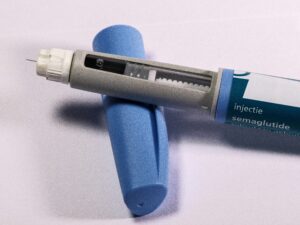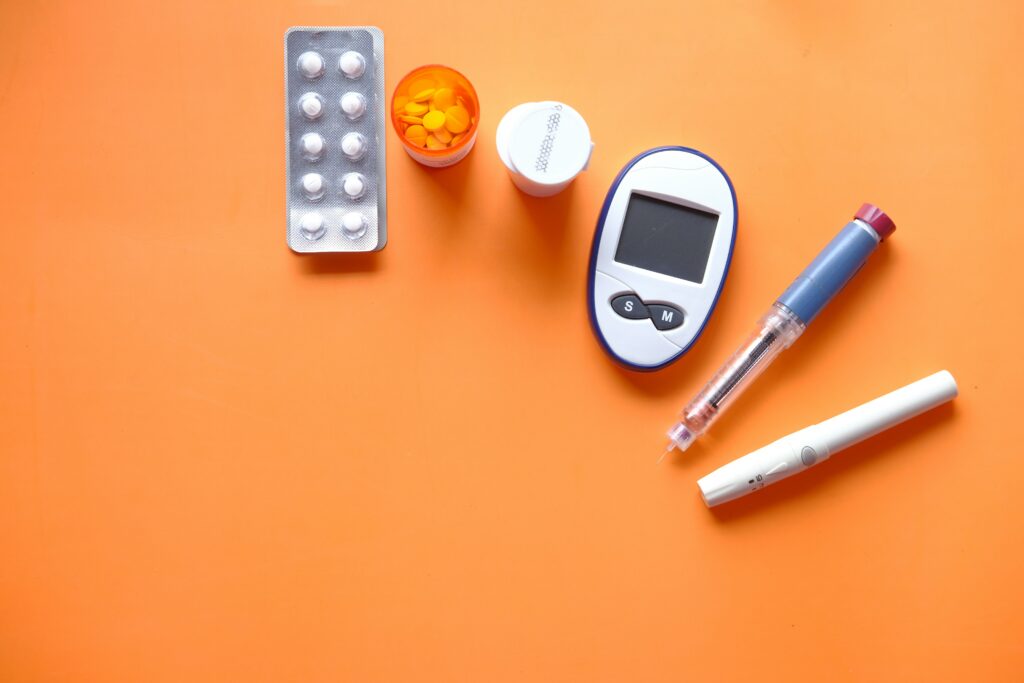
Telehealth is an effective and well-studied option for routine diabetes management. Systematic reviews show that virtual diabetes care reduces A1C by an average of 0.6 percentage points compared to usual care. For the more than 38 million Americans living with diabetes, telehealth provides access to medication reviews, prescription refills, lab result interpretation, and blood sugar coaching without a trip to the clinic.
How Telehealth Works for Diabetes Management
Telehealth for diabetes follows the same clinical logic as in-person care. You connect with a licensed physician by video or text, describe your current symptoms and blood sugar trends, share recent lab results, and discuss any medication concerns. The physician reviews your information, asks follow-up questions, and makes clinical decisions: adjusting a dose, refilling a prescription, ordering a lab test, or referring you to a specialist.
The key difference is that telehealth removes the scheduling and travel barriers that cause many people with diabetes to delay or skip routine care. According to the American Diabetes Association (ADA), consistent engagement with a care team is one of the strongest predictors of good glycemic control. Telehealth makes that consistency achievable for more patients.
The evidence base is strong. A systematic review published in the Journal of Medical Internet Research found that patients using telehealth for diabetes management had significantly lower A1C levels and better medication adherence compared to patients receiving usual care alone. HHS telehealth guidance recognizes virtual visits as clinically appropriate for diabetes monitoring and medication management in patients with stable disease.
You Can Manage Your Diabetes Through A Screen
The endless waiting and the hassle of commute can make things problematic
“Connect with an online doctor and learn how to manage your diabetes online.”
“Connect with a Canadian-licensed doctor online and learn how to manage your diabetes.”
What a Virtual Diabetes Appointment Covers
A virtual diabetes appointment with a licensed physician can cover most of what a routine in-person check-in addresses, provided you have recent lab results available.
A1C Monitoring and Lab Review
A1C is the primary measure of long-term blood sugar control. A result below 7 percent is the target for most adults with type 2 diabetes, according to the ADA. Your physician can review your most recent A1C result during a virtual visit, discuss what it means for your current treatment plan, and determine whether a dosage change or medication switch is warranted.
If you do not have a recent A1C on file, your physician can order a lab requisition during the telehealth visit. Most major lab networks in the US accept electronic orders. You go to a nearby lab location for the blood draw and your results are shared with your physician for a follow-up virtual review.
Medication Adjustments and Prescription Refills
Prescription refills and dosage adjustments are among the most common reasons people with diabetes use telehealth. A board-certified physician can renew prescriptions for metformin, GLP-1 medications, SGLT-2 inhibitors, and other diabetes drugs during a virtual visit. See the metformin prescription refill page for details on how the refill process works through Your Doctors Online.
Insulin management via telehealth requires more careful assessment. Basal insulin titration, where the dose is adjusted based on fasting glucose trends over several days, is well-suited to virtual care because it relies on data the patient already collects at home. Rapid-acting insulin adjustments for mealtime dosing may require closer monitoring, particularly for patients with type 1 diabetes or complex insulin regimens.
Blood Sugar Tracking and Lifestyle Guidance
A virtual appointment is also an opportunity to review blood sugar patterns and make practical adjustments to diet, activity, and self-monitoring habits. Your physician can review your glucose log or continuous glucose monitor (CGM) data during the visit, identify patterns that are driving high or low readings, and give specific guidance rather than generic advice.
Diabetes Self-Management Education and Support (DSMES) services, which the CDC recognizes as a core component of diabetes care, are increasingly delivered virtually. A physician can refer you to a certified diabetes care and education specialist (CDCES) who can work with you remotely on meal planning, activity goals, and medication timing.
Tools That Support Remote Diabetes Care
Continuous Glucose Monitors
A continuous glucose monitor (CGM) is a small sensor worn on the skin that measures glucose levels in the interstitial fluid every few minutes and transmits the data to a smartphone or reader. Devices from Dexcom, Abbott FreeStyle Libre, and Medtronic are the most widely used in the US.
CGMs make telehealth more clinically useful for diabetes. Instead of relying on a few fingerstick readings, your physician can review hours or days of continuous glucose data, identify patterns around meals and sleep, and make more precise adjustments. Many CGM apps allow you to share a glucose report directly with your physician before or during a telehealth visit.
CGMs are covered by Medicare for patients using insulin and by many private insurance plans. Out-of-pocket costs vary significantly depending on the device and plan.
Diabetes Management Apps
Several apps support diabetes self-management between telehealth appointments:
- MySugr: Logs blood sugar, meals, and medication. Generates PDF reports suitable for sharing with your physician.
- One Drop: Connects blood sugar data with coaching and tracks trends over time.
- Glooko: Aggregates data from CGMs and glucose meters and generates clinical-grade reports for physician review.
- CDC Diabetes Prevention Program (DPP) apps: Evidence-based lifestyle programs delivered digitally for people with prediabetes or at risk for type 2 diabetes.
Bringing a recent glucose log or app-generated report to your virtual appointment gives your physician more to work with and results in more useful clinical decisions.
Benefits of Managing Diabetes With Telehealth
Telehealth offers measurable advantages for ongoing diabetes management, particularly for patients who struggle with access, scheduling, or transportation barriers.
- No travel required: Routine medication reviews and lab result discussions do not require you to leave home. This matters especially for patients with mobility limitations or those in rural areas far from a specialist.
- More frequent touchpoints: Because telehealth visits require less time and logistical effort, patients are more likely to have regular check-ins rather than waiting until a problem becomes serious.
- Same-day access: Platforms like Your Doctors Online provide same-day access to a physician without scheduling days or weeks in advance. A sudden concern about blood sugar readings or a missed refill can be addressed immediately.
- Consistent data sharing: CGMs and diabetes apps allow real-time data sharing with your physician, giving them a more complete picture than a single in-office reading.
- Lower cost for routine visits: Telehealth visits for prescription refills and lab reviews are typically less expensive than in-person specialist visits and do not carry the indirect costs of travel and time off work.
When You Still Need an In-Person Visit
Telehealth does not replace every aspect of diabetes care. Certain clinical assessments require physical examination and cannot be adequately performed virtually.
- Annual dilated eye exam: Diabetic retinopathy is a leading cause of blindness in adults. It requires examination by an ophthalmologist or optometrist using specialized equipment. This cannot be performed virtually.
- Foot examination: Peripheral neuropathy and poor circulation increase the risk of foot ulcers and infections in people with diabetes. A thorough foot exam requires hands-on assessment by a clinician.
- Physical laboratory tests: While your physician can order lab work during a telehealth visit, the blood draw itself must be done in person at a lab or clinic.
- New or unexplained symptoms: Chest pain, shortness of breath, significant swelling, vision changes, or worsening wound healing require in-person evaluation.
- Insulin pump or device troubleshooting: Physical device issues with insulin pumps, CGM sensors, or injection sites may require in-person review.
How to Get the Most Out of a Virtual Diabetes Appointment
The quality of a telehealth visit depends on the information you bring to it. Preparing before the visit makes the appointment more productive and gives your physician what they need to make informed decisions.
- Have your most recent lab results ready: A1C, fasting glucose, kidney function (eGFR and creatinine), lipids, and urine microalbumin are the core labs for diabetes monitoring. If you have had these in the past 3 to 6 months, know where to find them or have them uploaded to the platform.
- Bring a glucose log or CGM report: At least two weeks of blood sugar data gives your physician a meaningful pattern to review. Most CGM apps generate a summary report you can share by email or upload directly.
- List your current medications and doses: Include all diabetes medications, supplements, and any other prescription drugs. Drug interactions affect diabetes management.
- Note any symptoms or concerns: Low blood sugar episodes, new tingling or numbness, changes in urination, or wound healing issues should be mentioned specifically.
- Know your blood pressure reading: Hypertension management is closely linked to diabetes care. A recent home blood pressure reading is useful context.
Managing Your Diabetes Online With Your Doctors Online
Your Doctors Online connects you with board-certified US physicians 24 hours a day, seven days a week. No appointment scheduling, no waiting room. For diabetes management, that means you can get a prescription refill for metformin or other oral medications the same day, discuss A1C results with a physician as soon as they come back from the lab, and address a new symptom or medication concern without waiting for your next scheduled clinic visit.
For patients using GLP-1 medications for diabetes or weight management, physicians on the platform can prescribe and manage Mounjaro online and other GLP-1 options for eligible patients.Telehealth works best as part of a hybrid care model. Your Doctors Online handles the routine touchpoints: prescription renewals, lab review, medication questions, and blood sugar coaching. Your endocrinologist or primary care physician handles the annual in-person assessments. For patients managing diabetes treatment online or looking for a chronic condition management option, Your Doctors Online is designed to fill the gaps between scheduled appointments.
| Diabetic emergency? Call 911 immediately. Signs of diabetic ketoacidosis (DKA): Fruity-smelling breath, nausea, vomiting, confusion, rapid breathing, high blood sugar (above 240 mg/dL) with ketones in urine. Signs of severe hypoglycemia: Confusion, seizures, loss of consciousness, or inability to swallow.These are medical emergencies. Do not attempt a telehealth visit. Call 911 or go to your nearest emergency department immediately. |
Frequently Asked Questions
Yes. A board-certified US physician can prescribe and refill most diabetes medications through a telehealth consultation, including metformin, GLP-1 receptor agonists such as semaglutide and tirzepatide, SGLT-2 inhibitors, DPP-4 inhibitors, and basal insulin in appropriate cases. Controlled substances and certain high-risk insulin regimens may require additional in-person evaluation depending on the physician’s clinical judgment and state regulations.
Yes. Multiple systematic reviews and clinical trials have found that telehealth-based diabetes care produces meaningful improvements in A1C, medication adherence, and patient satisfaction. A review published in JAMA Internal Medicine found that structured telehealth interventions reduced A1C by an average of 0.6 percentage points in patients with type 2 diabetes. The ADA recognizes telehealth as an evidence-based component of diabetes care for appropriate patients.
Physicians practicing through telehealth platforms can prescribe most diabetes medications, including: metformin (see the metformin prescription refill page), GLP-1 receptor agonists including semaglutide and tirzepatide, SGLT-2 inhibitors such as empagliflozin and dapagliflozin, DPP-4 inhibitors such as sitagliptin, sulfonylureas, and basal insulin for eligible patients. The specific medications available depend on your clinical history, the prescribing physician’s assessment, and applicable state laws.
The ADA recommends that most adults with type 2 diabetes have a medical review every 3 to 6 months, with quarterly A1C testing if targets are not being met and twice-yearly testing once blood sugar is stable. For patients using telehealth, this typically means two to four virtual check-ins per year for stable disease, with additional visits as needed for medication changes, lab review, or new symptoms.