Get a Finasteride prescription online
Need help growing your hair? Talk to a licensed doctor from home, and if appropriate, get prescribed Finasteride online within 5 minutes.

- Slows hair loss and promotes regrowth
- Available as the Propecia brand name
- Get mental health support
Trusted by millions for instant online care
Over 1 million Patients
5-star Doctor Ratings
4.8 Rating
20k+ App Reviews
4.6 Rating
1k+ Trustpilot Reviews
How to get a Finasteride prescription online
Follow these three easy steps to get finasteride prescribed through Your Doctors Online:
Download our app
Create an account and provide a brief medical history. This helps our doctor understand your needs (e.g., how long you’ve noticed hair thinning, any treatments tried, etc.).

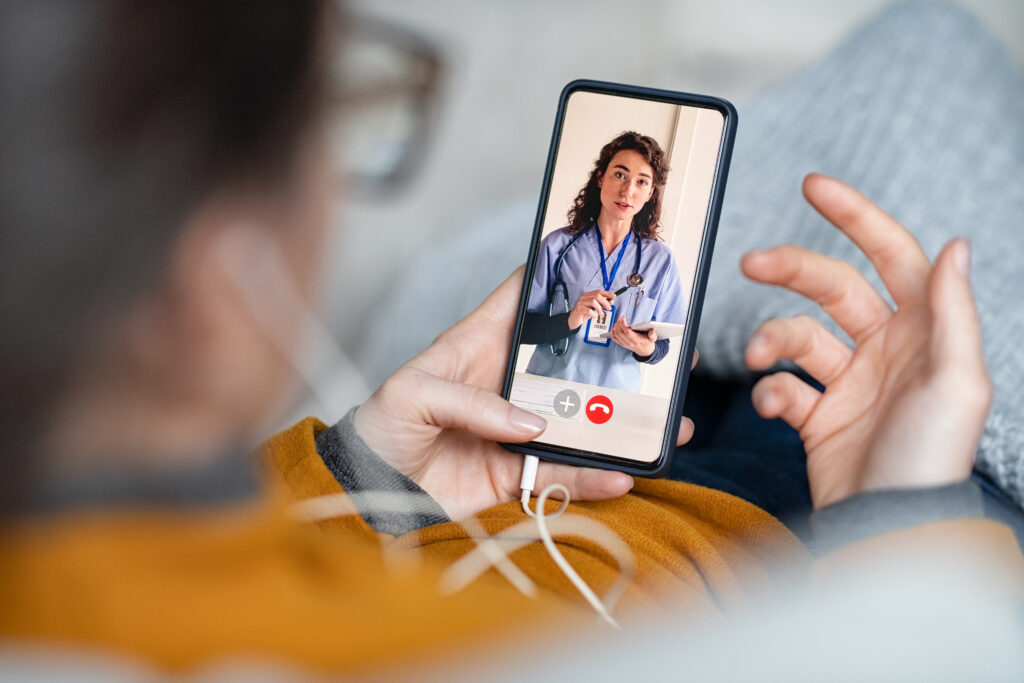
Consult with a licensed doctor
You’ll be connected to a board-certified doctor in your state or province. Chat with them via text, video, and audio. Share photos (for instance, of your scalp) if needed.
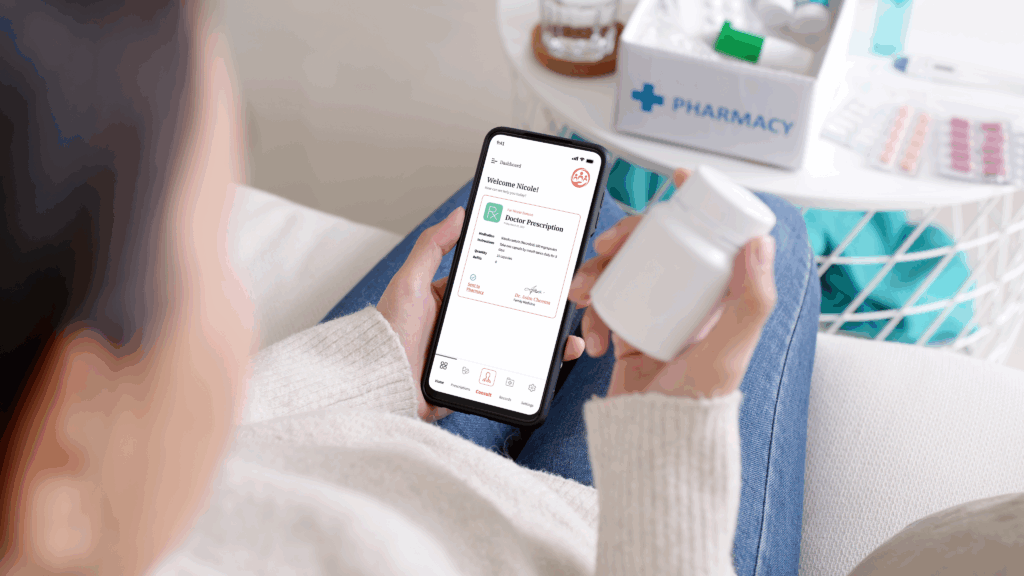
Get your finasteride prescription
If prescribed, the doctor will send a finasteride online prescription to the pharmacy of your choice.
Do you need a prescription for Finasteride?
Yes. Finasteride is a prescription-only medication in the U.S., both as Propecia 1 mg for hair loss and as Proscar 5 mg for an enlarged prostate. You can’t buy finasteride tablets over the counter. Even when you get it online, a licensed doctor has to check that it’s safe for you first. Here’s what the doctor looks at:
- Your hair loss: finasteride treats male pattern hair loss in men, not other causes of thinning
- Your liver: your body breaks finasteride down in the liver, so liver problems need a closer look
- Your prostate tests: finasteride lowers PSA results by about half, which changes how they are read
- Your mood: depression and thoughts of suicide have been reported, so your doctor asks about your mental health
- Pregnancy at home: if your partner is pregnant or could become pregnant, she shouldn’t handle crushed or broken tablets
Avoid any website offering finasteride without a prescription. These aren’t legitimate and may be selling counterfeit products.
Who is eligible for a Finasteride prescription?
Finasteride is a prescription medication, so a licensed doctor reviews your hair loss and medical history to make sure it’s right for you.
An online visit may be a good fit if
Finasteride may not be right for you if
What is Finasteride (Propecia) and what does it treat?
Finasteride is a prescription medication used to treat male pattern hair loss (androgenetic alopecia) and benign prostatic hyperplasia (BPH). It comes in two brand versions:
It works by blocking the 5-alpha-reductase type II enzyme that converts testosterone into dihydrotestosterone (DHT). Since DHT is the primary hormone that shrinks hair follicles, reducing its levels helps stabilize hair loss and promote regrowth. Most men need to take it every day for 3 months or more before they see a difference, and the effect wears off within 12 months of stopping.
Taking a higher dose than prescribed is not recommended. It won’t speed up hair growth and could worsen side effects. Your doctor will choose the dose and brand based on your specific needs.
Consult a doctorFinasteride
Generic · Propecia, ProscarHow much does a Finasteride prescription cost?
A finasteride prescription through Your Doctors Online starts at $20/month with our consultation plan. The medicine itself is paid at the pharmacy, and generic finasteride is one of the lowest-cost prescriptions you can fill.
Cost with insurance
Cost with insurance
| Plan type | 1 mg (hair loss) | 5 mg (BPH) |
|---|---|---|
| Medicare Part D | Not covered for hair loss | Covered if on your plan’s formulary |
| Medicaid | States may exclude it | Covered, rules vary by state |
| Employer and ACA plans | Depends on your plan’s formulary | Depends on your plan’s formulary |
Medicare drug plans exclude drugs used for hair growth, and federal law lets state Medicaid programs exclude them too.
Cost without insurance
Cost without insurance
CMS NADAC data, rate effective October 21, 2026 and still current in November
Meet our doctors prescribing Finasteride online
Dr. Mitchell Stotland is a board-certified Occupational Medicine physician with 5+ years of experience. He provides virtual care across all U.S. states and D.C., blending allopathic medicine with public health insights. His approach focuses on rapid symptom relief and long-term prevention, often resulting in faster recovery and improved health outcomes for his patients.

Dr. Richard Honaker is a board-certified physician with more than 40 years of experience in family and emergency medicine. He serves as Chief Medical Advisor at Your Doctors Online and is affiliated with Medical City Plano in Texas. Recognized multiple times by D Magazine and Texas Monthly, Dr. Honaker provides evidence-based care across a wide range of conditions including diabetes, hypertension, and injury care.

Dr. Monique Rainford is an OB/GYN expert and Assistant Clinical Professor at Yale School of Medicine. With 25+ years of experience, she’s led OB/GYN departments at Yale Health and Baltimore Medical System. Her clinical interests include pregnancy, menstrual health, chronic pelvic conditions, and lifestyle medicine. Dr. Rainford advocates for maternal health equity, especially in underserved communities.

Dr. Candice Fraser is an OB/GYN practitioner and founder of Trinity Medical Care. With over a decade of experience, she focuses on reproductive care, menstrual health, and menopause management. Along with medical training and residency, she also holds an MBA in healthcare management, blending business insight with clinical excellence.
Dr. Danielle DonDiego is a double board-certified Family and Obesity Medicine physician, business mentor, and author of Self-Care Rx. She focuses on helping patients manage weight, improve nutrition, and adopt sustainable lifestyle changes. A graduate of the Virginia College of Osteopathic Medicine with an MBA from Virginia Tech, she combines her medical expertise with a passion for patient education and long-term wellness.
Dr. Amber Robins is a double board-certified Family and Lifestyle Medicine physician with a strong focus on women’s health, preventive care, and patient advocacy. She earned her MD from the University of Rochester and an MBA from LSU-Shreveport. A published author and media contributor, she blends clinical expertise with a passion for empowering patients to make informed health decisions.
Dr. Nina Carroll is a retired OB/GYN with decades of experience serving women in the U.S. and abroad. She specialized in menopause care, sexual health, and trauma-informed women’s health. Today, she continues her work through medical writing, focusing on sexual minority women’s health and care for survivors of trauma.
Dr. Nerissa Bauer is a behavioral pediatrician specializing in ADHD, parenting strategies, and mental health in children. A former academic and AAP spokesperson, she is the creator of the TEACH Me ADHD program, helping families better understand and manage ADHD. She brings warmth, creativity, and evidence-based guidance to her work with patients and parents.


Frequently asked questions
How long can you safely take finasteride?
Finasteride is designed for long-term use. For hair loss, you might take 1 mg daily for many years, even indefinitely, as long as it’s effective and side effects are tolerable. There is no strict time limit. Studies have followed men on 1 mg for 5+ years with sustained benefits and manageable safety.
What are the side effects of finasteride?
Most men have no side effects. In clinical trials, the most common ones were sexual:
- Lower sex drive
- Trouble getting an erection
- Less semen when you ejaculate
These affected only a few percent of men and went away in most of them, whether they stopped or kept taking it. Other side effects reported since approval include:
- Breast tenderness or enlargement
- Depression or thoughts of suicide
- Allergic reactions, such as a rash or swelling of the lips or face
- Testicular pain
Research on finasteride and sexual side effects shows that, in rare cases, men report sexual problems that last after they stop, sometimes called Post-Finasteride Syndrome (PFS). The FDA label lists these, though it hasn’t been proven that finasteride causes them. Consult a doctor at Your Doctors Online if you face any of these side effects.
Can I get finasteride from my GP?
You can certainly get finasteride from your GP (general practitioner). It’s a standard prescription. However, many people prefer the convenience of an online GP service like Your Doctors Online. You don’t need to schedule appointments weeks out or sit in a waiting room. You can have a virtual consultation with our doctors on demand and get your prescription within 5 minutes.
Is it legal to get a finasteride prescription online?
Yes, getting an online prescription is legal in the US when you get it through a HIPAA-compliant telehealth clinic such as Your Doctors Online. Our doctors are licensed and follow the telehealth regulations set by CPSO and the Department of Health and Human Services (HHS). While a 2025 Wall Street Journal investigation found some telemedicine startups were prescribing finasteride with very lax screening and downplaying risks, our clinicians conduct a proper medical evaluation. They will prescribe 1 mg only if it’s right for you.
What are the Finasteride tablet alternative medications?
Here are some of the commonly prescribed alternatives in case the patient is unable to tolerate Finasteride:
- Dutasteride (Avodart): It blocks more hair loss-causing hormone DHT than Finasteride, often resulting in better regrowth. It’s used “off-label” for hair loss in North America.
- Oral Minoxidil: A low-dose blood-pressure pill that doctors sometimes use for hair growth when Finasteride alone isn’t enough or can’t be taken.
- Topical Minoxidil (Rogaine): The over-the-counter foam or liquid you rub on your scalp to boost blood flow and help hair grow.
- Spironolactone: A hormone-blocking pill more commonly used in women for hair thinning. It is rarely given to men because it can affect male hormones.
- Ketoconazole Shampoo (Nizoral): A medicated shampoo that fights fungus and also helps block DHT on your scalp, supporting other hair-loss treatments.
Which is better for hair loss, finasteride or dutasteride?
Finasteride is the go-to, FDA- and Health Canada–approved first-line treatment for male pattern hair loss, while Dutasteride is officially prescribed for prostate enlargement and only used off-label for hair growth. Most men begin with finasteride. If you do not see enough improvement after six to twelve months, you can discuss switching to dutasteride as it blocks about 90 percent of the hair-loss hormone DHT versus roughly 70 percent with finasteride.
Both drugs carry similar risks of sexual or mood side effects. However, Dutasteride stays in the body for weeks (versus hours for finasteride), so its associated side effects also linger longer after stopping. You should consult a licensed provider to choose the right medication, such as finasteride or dutasteride.
Does Finasteride work for receding hairlines as well as for crown baldness?
Partly. Finasteride works on hair loss at the crown and across the top of the scalp, including the front and middle. However, the FDA label says its effect on a hairline receding at the temples has not been established, so results there are less predictable. Most men see their hair loss slow down, and some see regrowth.
How to take Finasteride tablet?
Take the tablet by mouth, with or without food, and swallow it whole. The average male pattern hair loss dosage is 1 mg daily, while the dosage for benign prostatic hyperplasia (BPH) is 5 mg daily. Take them at the same time each day. To preserve the benefits of Finasteride, take it regularly. Be patient: it usually takes 3 months or more of daily use to see results. To avoid potential interactions, inform your healthcare professional about any other medications you take.
Is 5 mg of finasteride too much for hair loss?
5 mg of Finasteride is the dose approved for prostate enlargement, not hair loss. Taking more than 1 mg daily won’t boost hair regrowth but might increase your risk of experiencing side effects. Research suggests that 1 mg once daily is sufficient for androgenetic alopecia, so any higher dose is unnecessary for hair loss.
When is it too late for Finasteride online treatment?
Finasteride works best when started at the first signs of thinning. Once follicles have completely died and no stubble remains, there’s little it can do. However, if you still see any tiny hairs or fuzz, starting finasteride can help preserve what remains and may even thicken those hairs over time. While earlier treatment generally yields better results, significant benefits can still be achieved in more advanced hair loss by combining finasteride with other therapies under your doctor’s guidance.
Is finasteride safe for the kidneys?
Yes. According to the FDA label, people with kidney problems don’t need a dose change, because finasteride is broken down mainly by the liver. Tell your online doctor about any kidney or liver condition before you start.
Is finasteride 3 times a week enough?
Finasteride is prescribed for daily use. A standard finasteride prescription for online hair loss treatment involves taking the tablet once a day, but it is best to consult your doctor to understand how much of the medication is enough for you to stop the hair loss.
How long does post-finasteride syndrome last?
Most men never experience post-finasteride syndrome (PFS), but when it does occur, its duration can vary widely. Symptoms that persist over three months after stopping finasteride are generally considered long-term, though there’s no exact cutoff. One study even found men reporting PFS symptoms up to 40 months after discontinuation.