

Online Phobia Treatment
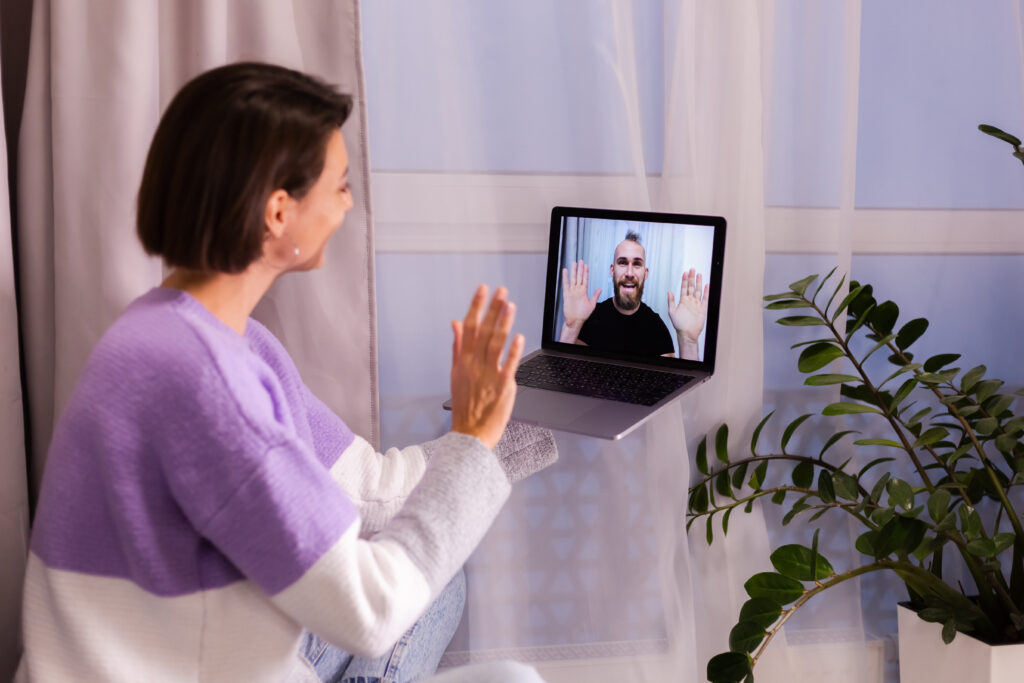
Start online therapy for phobias by sharing details about your fears. A trained therapist will connect with you to review your concerns and recommend appropriate treatment.
Trusted by millions of patients
Over 1 million patients
5-star Doctor Ratings
4.8 Rating
20k+ App Reviews
4.6 Rating
1k+ Trustpilot Reviews
Proudly Featured In


How to connect with a therapist online for phobias
Start with a conversation
Answer a few questions about your fears, anxiety symptoms, and avoidance patterns.
Connect with a therapist
A trained phobia therapist reviews your concerns and recommends an appropriate form of therapy.
Begin your therapy sessions
Start online therapy sessions using text, audio, or video, based on your comfort level.
Does online exposure therapy work for phobias?
Yes, exposure therapy is one of the main treatments for phobias and can be done online with a therapist. Treatment usually starts with a conversation about the situations you avoid and how strongly they affect you. From there, you and your therapist build a gradual exposure plan, starting with situations that feel manageable and working up from there.
- You choose where to start: Your therapist works at a level that feels manageable for you.
- Exposure is gradual: You move through the plan step by step rather than facing your biggest fear all at once.
- You practice between sessions: Your therapist can give you exercises to work on between appointments.
What phobia medications can we prescribe online?
There is no medication approved by the FDA for phobias. Therapy is the main treatment. Medication may be considered when the phobia occurs alongside social anxiety disorder, panic attacks, or another anxiety condition. A doctor will review your symptoms, medical history, and current medications before deciding whether medication is appropriate.
They found help with online counseling, you can too
I was feeling very overwhelmed with something by that was going on with me I voiced my concerns and she helped me a lot she was very engaging and very helpful with her information and concerns.
~Jaylah App Store
Love the doctors on this app! It is fast, helpful as they talk through exactly how you feel and your history.
~Lilian Trustpilot
I want to take a moment to talk about how amazing the doctors on this app are. They communicate clearly, are very helpful and kind, and provide great solutions. Definitely recommend! Very convenient.
~Hailey App Store
I love these doctors. They are so courteous and honest. I deal with anxiety and panic attacks and using this app helps me get through my hard times. I thank god for the ability to talk to a doctor at anytime. It makes me feel safe and secure.
~Loren Dyer App Store
Someone with health anxiety like myself the doctors on this app always help and take their time to understand my concerns.
~Anonymous App Store
This app is a godsend. They have saved me hours waiting at a hospital on multiple occasions and saved me trips there as well (which in the country we are extremely thankful for!)
~Sarah J. Brittany App Store

Meena specializes in Cognitive Behavioral Therapy and Dialectical Behavior Therapy, helping clients manage anxiety, depression, and emotional regulation. Her empathetic approach focuses on building strong communication skills and conflict resolution strategies. Meena is passionate about guiding individuals through life's challenges with mindfulness and emotional intelligence.

Mahnoor is a skilled counselor. She specializes in a range of therapeutic approaches including Cognitive Behavioral Therapy, Dialectical Behavior Therapy, and Life Coaching. Her holistic approach supports individuals in overcoming mental health challenges, and achieving personal growth. Mahnoor focuses on empowering clients to find practical solutions and improve their well-being.

Hina is a compassionate counselor who integrates various techniques such as Cognitive Behavioral Therapy, Client-Centered Therapy, and Existential Therapy to guide individuals toward self-discovery and healing. She emphasizes interpersonal growth and building strong coping mechanisms. Hina works collaboratively with clients to explore deeper emotional and social dynamics.

Sharwan uses an empathetic and client-focused approach, blending Cognitive Behavioral Therapy, Dialectical Behavior Therapy, and emotional regulation strategies. He is dedicated to helping individuals work through life’s challenges through active listening, crisis intervention, and psychological assessment. Sharwan fosters a safe space for clients to develop resilience and emotional clarity.

Aiman employs a combination of Cognitive Behavioral Therapy, Acceptance and Commitment Therapy, and Motivational Interviewing to support clients in making lasting changes. His approach is grounded in empathy, active listening, and creating a non-judgmental space where individuals can explore their emotions and goals. Aiman’s counseling encourages personal growth and empowerment.
What is a phobia and what causes it?
A phobia is an intense, persistent fear of a specific object, situation, or activity that is out of proportion to the actual danger. It is a type of anxiety disorder. The fear can lead to strong physical symptoms and, over time, avoiding the trigger can start to affect work, travel, relationships, or everyday activities.
The exact cause of a specific phobia is not known. Phobias can run in families, and several factors may contribute, including genetics, a frightening experience, and a tendency to feel anxious in new situations. They often begin during childhood or the teenage years and can continue into adulthood.
What are the symptoms of a phobia?
When you come face to face with the thing you fear, you may have:
- Panic or intense fear
- A racing heartbeat
- Shortness of breath
- Trembling
- A strong urge to leave
A phobia can also affect your everyday life. You may avoid certain places or situations, change your plans, or spend a lot of time thinking about how to avoid the thing you fear. A fear may be a phobia when it:
- Feels intense or overwhelming
- Is linked to a specific object or situation
- Causes avoidance or distress
- Interferes with daily life or work
- Triggers panic or severe anxiety
- Makes you change plans to avoid certain places
You can get help even if the fear is not affecting every part of your life.
What are the most common types of phobias?
Phobias are generally grouped into three types:
- Specific phobia: Fear of a particular object or situation, such as flying, heights, or needles.
- Agoraphobia: Fear of places or situations where you may feel trapped or unable to leave easily, such as crowds, public transport, or being outside alone.
- Social anxiety disorder: Fear of being watched, judged, or embarrassed in social situations.
Common specific phobias include:
Talk to a therapist online to understand what may be causing your phobia and explore treatment options that can help.
Why choose Your Doctors Online for treatment of phobias?
Care that respects your pace
Your Doctors Online provides phobia treatment at your pace, not pressured by exposure or rushing through it.
Therapists experienced with phobias
You work with a professionally trained phobia therapist who will understand fears and phobias.
Personalized treatment
You'll get a treatment plan tailored to your specific symptoms.
Frequently asked questions
Are phobias treatable?
Yes, phobias are treatable. Therapy helps most people with phobias reduce their fear and avoidance over time.
How does phobia therapy work?
Treatment of phobias often involves gradual exposure and cognitive therapy, working through fears in safe steps while learning new ways to respond to anxiety.
Is medication necessary for the treatment of phobias?
No. Therapy is the primary treatment for phobias, and most people improve without medication. Medication may be added when the phobia occurs alongside another anxiety condition or brings on panic attacks, and that decision is made by your doctor after reviewing your symptoms and medical history.
How long does the treatment take?
It depends on the phobia and how much it affects your daily life. Some people notice a change within a few sessions. Others need longer, particularly when the fear covers more than one situation or comes with panic attacks. Your therapist can give you a realistic range after the first session.