
Online phobia treatment with professional support
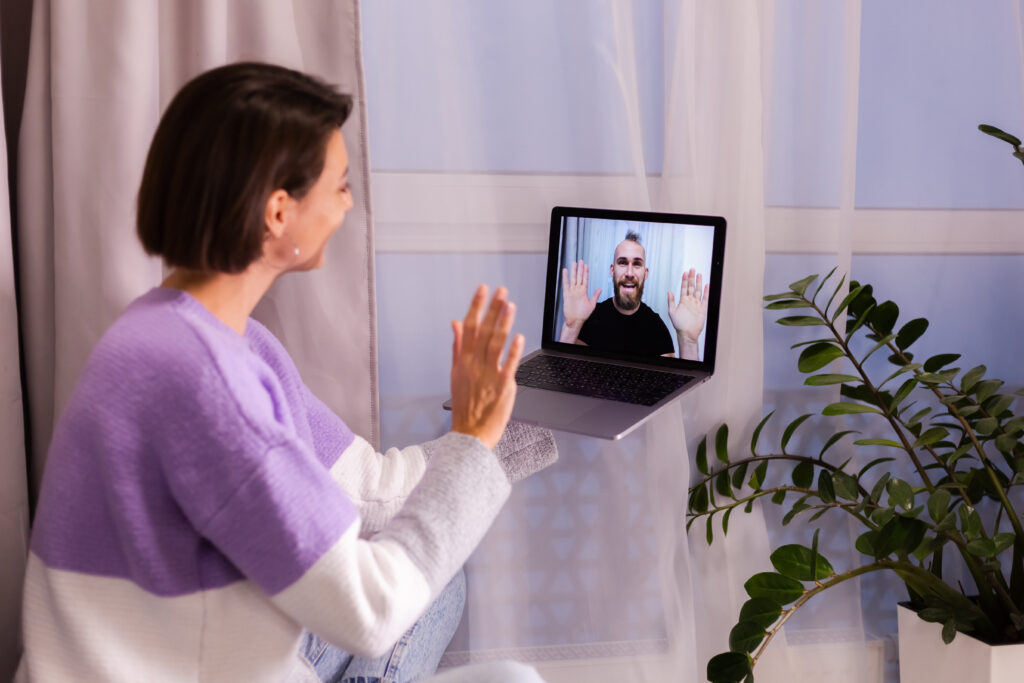
Start online therapy for phobias by sharing details about your fears. A trained therapist will connect with you to review your concerns and recommend appropriate treatment.
Trusted by millions of patients
Over 1 million patients
5-star Doctor Ratings
4.8 Rating
20k+ App Reviews
4.6 Rating
1k+ Trustpilot Reviews
Proudly Featured In
When should you consider getting online therapy for phobias?
Reach out if your fear and anxiety take a toll on you, and it:
- Feels intense or overwhelming
- Is linked to a specific object or situation
- Causes avoidance or distress
- Interferes with daily life or work
- Triggers panic symptoms or extreme anxiety
- Makes you change plans to avoid certain places
What can phobia therapy help you with?
Phobia therapy helps people with specific phobias and other fear-based conditions, including:
How does online phobia treatment work?
Start with a conversation
Answer a few questions about your fears, anxiety symptoms, and avoidance patterns.
Connect with a therapist
A trained phobia therapist reviews your concerns and recommends an appropriate form of therapy.
Begin your therapy sessions
Start online therapy sessions using text, audio, or video, based on your comfort level.
They found help with online counseling, you can too
I was feeling very overwhelmed with something by that was going on with me I voiced my concerns and she helped me a lot she was very engaging and very helpful with her information and concerns.
~Jaylah App Store
Love the doctors on this app! It is fast, helpful as they talk through exactly how you feel and your history.
~Lilian Trustpilot
I want to take a moment to talk about how amazing the doctors on this app are. They communicate clearly, are very helpful and kind, and provide great solutions. Definitely recommend! Very convenient.
~Hailey App Store
I love these doctors. They are so courteous and honest. I deal with anxiety and panic attacks and using this app helps me get through my hard times. I thank god for the ability to talk to a doctor at anytime. It makes me feel safe and secure.
~Loren Dyer App Store
Someone with health anxiety like myself the doctors on this app always help and take their time to understand my concerns.
~Anonymous App Store
This app is a godsend. They have saved me hours waiting at a hospital on multiple occasions and saved me trips there as well (which in the country we are extremely thankful for!)
~Sarah J. Brittany App Store
Meena specializes in Cognitive Behavioral Therapy and Dialectical Behavior Therapy, helping clients manage anxiety, depression, and emotional regulation. Her empathetic approach focuses on building strong communication skills and conflict resolution strategies. Meena is passionate about guiding individuals through life's challenges with mindfulness and emotional intelligence.
Mahnoor is a skilled counselor. She specializes in a range of therapeutic approaches including Cognitive Behavioral Therapy, Dialectical Behavior Therapy, and Life Coaching. Her holistic approach supports individuals in overcoming mental health challenges, and achieving personal growth. Mahnoor focuses on empowering clients to find practical solutions and improve their well-being.
Hina is a compassionate counselor who integrates various techniques such as Cognitive Behavioral Therapy, Client-Centered Therapy, and Existential Therapy to guide individuals toward self-discovery and healing. She emphasizes interpersonal growth and building strong coping mechanisms. Hina works collaboratively with clients to explore deeper emotional and social dynamics.
Sharwan uses an empathetic and client-focused approach, blending Cognitive Behavioral Therapy, Dialectical Behavior Therapy, and emotional regulation strategies. He is dedicated to helping individuals work through life’s challenges through active listening, crisis intervention, and psychological assessment. Sharwan fosters a safe space for clients to develop resilience and emotional clarity.
Aiman employs a combination of Cognitive Behavioral Therapy, Acceptance and Commitment Therapy, and Motivational Interviewing to support clients in making lasting changes. His approach is grounded in empathy, active listening, and creating a non-judgmental space where individuals can explore their emotions and goals. Aiman’s counseling encourages personal growth and empowerment.
Therapy first, but medication when it's helpful
Evidence-based psychological treatments, including Cognitive Behavioral Therapy (CBT) and exposure-based approaches, ensure safe treatment of specific phobias. Medication is not a first-line treatment but might be discussed if the symptoms of anxiety are serious or linked with panic disorder.
If your doctor deems necessary, we offer:
- Short-term or long-term medication options
- Prescriptions that support your mental health plan
- Sending those prescriptions directly to your pharmacy
Note: You’re never pushed toward medication. But when it’s the right call, we make sure it’s handled with care, discretion, and clinical oversight.
Get prescribed phobia medications online
Medication decisions are based on individual symptoms, and overall mental health needs on the discretion of your provider.
Why choose Your Doctors Online for treatment of phobias?
Care that respects
Your Doctors Online provides phobia treatment at your pace, not pressured by exposure or rushing through it.
Therapists experienced with phobias
You work with a professionally trained phobia therapist who will understand fears and phobias.
Personalized treatment
You'll get a treatment plan tailored to your specific symptoms.
Online therapy for fears and phobias that just won’t go away
Get treated for common phobias through online therapy
Phobia treatment focuses on helping people with a fear linked to a specific object or situation. Phobias are a type of anxiety disorder, and many people with phobias experience intense fear even when there is no real danger.
According to the Diagnostic and Statistical Manual of Mental Disorders, a phobia involves a persistent fear of a specific object, situation, or social setting.
While phobias are less discussed than other anxiety conditions, treatment for phobias is highly effective when approached gradually.
What are specific and social phobias?
People with specific phobias experience fear related to a particular object or situation, such as:
- Acrophobia (fear of heights)
- Ophidiophobia (fear of snakes)
- Claustrophobia (fear of enclosed or confined spaces)
- Coulrophobia (fear of clowns)
- Arachnophobia (fear of spiders)
- Nyctophobia (fear of darkness)
Social phobia, on the other hand, involves fear of social or performance situations where embarrassment or judgment is expected. Moreover, phobias and fears can vary in severity.
Some people with specific phobias manage daily life with a little discomfort, while others experience extreme anxiety, increased heart rate, and avoidance that interferes with basic functioning.
Why do people develop a phobia?
People may develop a phobia after a traumatic experience, repeated fear exposure, or learned behavior during childhood. There is no possible way of preventing a phobia; it’s just a natural response of your body to a traumatic experience.
Also, phobias may develop without a clear cause. Many people with phobias delay seeking treatment because they believe fear is something they must tolerate and it’s normal, or maybe they are just too sensitive.
However, phobias are treatable. Treatment can help people work through the fear safely and regain confidence.
Effective treatment for specific phobias using therapy is a desired course of action
Undoubtedly, online phobia therapy is the most effective treatment for phobias because it provides structured, evidence-based care in a safe and controlled environment. Psychological treatments delivered through online platforms are commonly used to treat specific phobias and social phobias, while allowing individuals to progress at a pace that feels manageable.
Through online phobia therapy, cognitive therapy helps people identify and challenge distressing thoughts linked to fear, while exposure-based therapy is introduced gradually to reduce fear responses over time. This combination addresses both the mental and physical reactions associated with phobias.
Role of exposure therapy for treating phobias
This form of therapy involves gradual exposure to the object of fear. Exposure may include:
- Looking at pictures of the feared object
- Imagining the feared situation
- In vivo exposure to real-life situations
- Repeated exposure over time
This process is known as systematic desensitization or graded exposure. It helps reduce feelings of fear and anxiety by teaching the brain that the feared situation is not dangerous.
- It is simple.
- It is gentle.
- It fits the rhythm of your life.
Cognitive therapy and relaxation techniques
Cognitive Behavioral Therapy (CBT) helps people with phobias challenge unhelpful beliefs about fear and danger.
Therapy may also include progressive muscle relaxation, breathing exercises, and techniques to manage symptoms of anxiety, such as increased heart rate.
These approaches help reduce physical reactions and improve emotional control during exposure.
Phobias and related feelings of anxiety
Phobia is an anxiety disorder and may occur alongside panic disorder or other mental health conditions. Some people with a phobia experience panic symptoms when exposed to the feared situation.
Treating phobias may also reduce broader anxiety symptoms and improve overall mental health.
Medication for phobia treatment
Medication is not the primary treatment for phobias. SSRIs may be considered only for severe cases or comorbid anxiety disorders, usually alongside therapy.
Why do many people with phobias seek online therapy?
Many people with phobias are more likely to seek treatment when therapy is accessible and private. Online therapy for phobias allows people to begin treatment without immediately facing feared situations in public.
Online therapy provides a safe starting point for phobia treatment while maintaining professional guidance.
Frequently asked questions
Are phobias treatable?
Yes, phobias are treatable. Many people with phobias improve with therapy by reducing fear and avoidance over time.
How does phobia therapy work?
Treatment of phobias often involves gradual exposure and cognitive therapy, working through fears in safe steps while learning new ways to respond to anxiety.
Can online therapy help to overcome phobias?
Yes, online therapies for phobias can be effective if guided by a professional in health. Many people feel more comfortable starting therapy from home.
Is medication necessary for the treatment of phobias?
Most of the phobias are treated by therapy alone, and medication is not considered the first choice; this has been considered only when anxiety is severe or linked with other conditions.
How long does the treatment take?
Treatment length varies, with some people noticing improvements in weeks, but it usually takes longer, depending on the kind of phobia and individual needs.