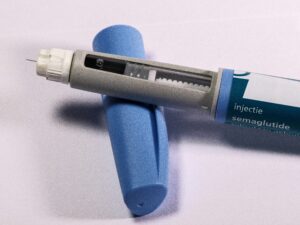
Overview
Wegovy and Saxenda are both GLP-1 medications prescribed for chronic weight management. Wegovy is weekly and generally delivers greater average weight loss, while Saxenda is daily and may fit some patients better depending on tolerability, cost, and eligibility. A clinician can help determine which option may be appropriate. This blog post discusses their effects and any possible side effects so you can make the best decision for yourself. It’s also important to see an online doctor to know which medication will suit you.
Not Sure Which GLP-1 Is Right for You? A Doctor Can Tell You in Minutes.
The right choice depends on your individual symptoms.
Get an online prescription for Saxenda, Wegovy, or other weight loss medications based on your BMI, health history, and lifestyle.
Get an online prescription for Saxenda, Wegovy, or other weight loss medications, no walk-in visit required.
| Criteria | Wegovy | Saxenda |
|---|---|---|
| Indication | Chronic weight management in obesity | Chronic weight management in obesity |
| Eligibility (BMI) | ≥30 kg/m2 | ≥30 kg/m2 or ≥27 kg/m2 with comorbidity |
| Weight-Related Comorbidities | Hypertension, type 2 diabetes, dyslipidemia | Hypertension, type 2 diabetes, dyslipidemia |
| Active Ingredient | Semaglutide | Liraglutide |
| Administration | Injectable | Injectable |
| Dosage | Once-weekly | Once-daily |
| Common Side Effects | Gastrointestinal issues (nausea, vomiting, diarrhea, constipation) | Gastrointestinal issues (nausea, vomiting, diarrhea, constipation) |
| Weight Loss Potential | Generally more effective, significant weight loss observed | Average weight loss of 6% |
| Comprehensive Plan | Yes, includes diet and lifestyle changes | Yes, includes diet and lifestyle changes. |
| Prescription Consultation | Prescribed by a healthcare professional. | Prescribed by a healthcare professional. |
Understanding GLP-1 agonists for weight loss
GLP-1 agonists help to manage weight by reducing hunger, regulating blood sugar levels, and prolonging the feeling of fullness through delayed stomach emptying. Clinical trials consistently show that GLP-1 agonists are effective at inducing weight loss, regardless of whether the individual has diabetes.
This weight loss targets lower body fat, particularly visceral and truncal adipose tissues. Unlike dietary interventions, the effects of GLP-1 agonist therapy can last up to three years, though discontinuation may result in some weight gain.
What are GLP-1 receptor agonists, and how do they work?
Renowned for its role in appetite and weight regulation, GLP-1 aids in reducing hunger, managing blood sugar levels, and causing a sense of fullness by delaying stomach emptying. GLP-1 agonists have exhibited promise in facilitating weight loss and, in certain cases, treating obesity.
“Dr. Cheema at Your Doctors Online explains that some GLP-1 medications used to manage type 2 diabetes stimulate insulin release from the pancreas when blood sugar levels rise. This helps cells absorb glucose, leading to lower blood sugar. Additionally, these medications can slow digestion, contributing to feelings of fullness and potentially reducing food intake and appetite. While weight loss is a potential benefit, it’s not guaranteed and depends on individual factors. GLP-1 agonists may offer additional advantages like reducing cardiovascular risk and delaying diabetes complications. Remember, these medications are typically used alongside other diabetes management strategies, and consulting a healthcare professional for personalized advice remains crucial.”
Research shows that GLP-1 agonists induce weight loss in both diabetic and non-diabetic individuals, with reductions in overall body fat, particularly in visceral and truncal adipose tissue. Despite these positive outcomes, the long-term effects of GLP-1 agonists on weight loss remain a subject of ongoing investigation.
What is the eligibility for Saxenda and Wegovy?
To be eligible for a Wegovy prescription (semaglutide injection), you need a BMI of 30 or higher, or a BMI of 27 or higher with a weight-related condition such as hypertension, type 2 diabetes, or high cholesterol. Wegovy is intended for adults who have not achieved sufficient weight loss through diet and exercise alone. It should be used alongside lifestyle changes, not as a replacement. A licensed healthcare provider must evaluate your eligibility before prescribing. If you have existing heart disease alongside obesity or are overweight, Wegovy has an edge over Saxenda. It is the only weight loss medication with FDA approval to reduce the risk of heart attack, stroke, and cardiovascular death (approved March 2024).
Saxenda prescription (Liraglutide) may be prescribed for adults with a BMI of 30 or higher, or a BMI of 27 or higher with a weight-related condition such as hypertension, type 2 diabetes, or high cholesterol. It is used for long-term weight management in combination with a reduced-calorie diet and increased physical activity. Saxenda is not a standalone solution and works best alongside lifestyle changes. A licensed healthcare provider must evaluate whether it is appropriate for you. Saxenda, like Wegovy, is approved for people who have failed previous weight-loss treatments.
To determine eligibility for Wegovy and Saxenda, consult a healthcare professional who will consider individual medical histories and specific health needs.
| Medication | Active Ingredient | BMI Criteria | Weight-Related Comorbidities | Cardiovascular approval |
| Wegovy | Semaglutide | BMI ≥ 30 kg/m² | Hypertension, Type 2 Diabetes, Dyslipidemia | Yes |
| Saxenda | Liraglutide | BMI ≥ 30 kg/m² or BMI ≥ 27 kg/m² | Hypertension, Type 2 Diabetes Mellitus, Dyslipidemia | No |
Both Saxenda and Wegovy are FDA-approved for chronic weight management in adolescents aged 12 and older with obesity.
Head-to-head comparison: Wegovy vs Saxenda
Below is a head-to-head comparison of Saxenda vs. Wegovy through our expert doctors and pharmacists. The comparison includes a detailed comparison of dosage, side effects, and weight loss results.
Active ingredient: What are Saxenda and Wegovy made of?
Although Saxenda and Wegovy belong to GLP-1 receptor agonists, they contain different active ingredients.
- Saxenda contains liraglutide
- Wegovy contains semaglutide
Both medications work by mimicking GLP-1 to help reduce calorie intake and support weight loss over time.
Dosage: Daily Saxenda vs Weekly Wegovy
Saxenda (liraglutide) requires a once-daily injection, whereas Wegovy (semaglutide) is administered once weekly due to semaglutide’s more prolonged duration of action than liraglutide. The injection pens work differently. Wegovy comes in a single-use prefilled pen, so you inject once and dispose of it. Saxenda uses a multi-dose pen that lasts multiple injections before disposal and requires separate needle purchases.
Wegovy is also available as a once-daily oral tablet (approved December 2025), the first oral GLP-1 for weight management, with similar weight loss results to the injectable. The tablet must be taken on an empty stomach with a 30-minute wait before eating.
Side effects of Saxenda vs Wegovy — how do they compare?
Saxenda and Wegovy share a similar side effect profile. Both are GLP-1 receptor agonists, so the most common issues are gastrointestinal. These effects are more noticeable during the first few weeks and during dose increases, then gradually improve as your body adjusts.
| Side effect | Saxenda | Wegovy |
|---|---|---|
| Nausea | Common | Common |
| Vomiting | Common | Common |
| Diarrhea | Common | Common |
| Constipation | Common | Common |
| Abdominal pain / bloating | Common | Common |
| Fatigue | Yes | Yes |
| Headache | Yes | Yes |
| Low blood sugar (hypoglycemia) | Yes | Less commonly reported |
| Increased heart rate | Yes | Yes |
| Gallbladder disease / gallstones | Yes | Yes |
| Pancreatitis (rare) | Yes | Yes |
| Kidney problems (rare) | Yes | Yes |
| Thyroid tumour risk (boxed warning) | Yes — contraindicated MTC/MEN2 | Yes — contraindicated MTC/MEN2 |
| Risk in pregnancy | Not recommended | Stop ≥2 months before conception |
| Discontinuation rate (side effects) | Higher | Lower — better tolerated overall |
What patients commonly report
- Eating smaller meals and avoiding greasy food can help prevent nausea.
- Saxenda’s daily injection means more frequent injection site soreness compared to Wegovy’s weekly schedule
- Slow titration reduces side effects for both: Saxenda ramps up over 5 weeks, Wegovy over 16–20 weeks
Talk to a licensed doctor online to evaluate your options in case your symptoms are severe.
Weight loss results: Unveiling the potential
Compared to Saxenda, Wegovy consistently promotes more weight loss in clinical trials. In the STEP-8 trial, a 68-week head-to-head study of 338 adults with obesity, Wegovy users lost an average of 15.8% of their body weight compared to 6.4% with Saxenda
Saxenda, on the other hand, caused a 6% average weight loss in that trial. According to these results, Wegovy has a better chance of helping you lose weight than Saxenda. Consideration of an individual’s medical history, specific health needs, and the overall treatment plan is essential for making an informed decision tailored to personal circumstances.
| Criteria | Wegovy | Saxenda |
|---|---|---|
| Indication | Chronic weight management in obesity | Chronic weight management in obesity |
| Eligibility (BMI) | ≥30 kg/m2 | ≥30 kg/m2 or ≥27 kg/m2 with comorbidity |
| Weight-Related Comorbidities | Hypertension, type 2 diabetes, dyslipidemia | Hypertension, type 2 diabetes, dyslipidemia |
| Previous Intervention | Failed weight management intervention. | Failed weight management intervention. |
| Administration | Injectable | Injectable |
| Dosage | Once-weekly | Once-daily |
| Common Side Effects | Gastrointestinal issues (nausea, vomiting, diarrhea, constipation) | Gastrointestinal issues (nausea, vomiting, diarrhea, constipation) |
| Weight Loss Potential | Generally more effective, significant weight loss observed | Average weight loss of 6% |
| Comprehensive Plan | Yes, it includes diet and lifestyle changes. | Yes, includes diet and lifestyle changes. |
| Prescription Consultation | Prescribed by a healthcare professional. | Prescribed by a healthcare professional. |
How much does Saxenda vs Wegovy cost?
Cost is one of the deciding factors when choosing between Saxenda and Wegovy. With the arrival of generic liraglutide, manufacturer savings programs, and new self-pay options, what you actually pay in 2026 may look very different from the sticker price.
Wegovy Cost
Wegovy has an official list price of $1,349 for a 28-day supply, though actual cash prices at retail pharmacies range from roughly $1,200 to $1,640 depending on the pharmacy. Novo Nordisk offers a savings card through NovoCare that can bring costs down to as little as $25 per month for patients with qualifying commercial insurance (maximum savings of $100 per month). Self-pay patients can access direct pricing through NovoCare Pharmacy starting at $149 per month for lower oral doses and $199–$349 per month for injectable doses.
Saxenda Cost
It has a list price of $1,349.02 for a 30-day supply of five prefilled pens, with retail pharmacy prices ranging from $1,300 to $1,800. Unlike Wegovy, Saxenda has a generic alternative, Liraglutide. The wholesale cost is approximately $1,165 per month, but discount programs lower that significantly. With a GoodRx coupon, generic Liraglutide can cost as low as $372 per month, and SingleCare pricing has been reported at approximately $496 for a 30-day supply.
For uninsured or low-income patients, the Novo Nordisk Patient Assistance Program may provide free or reduced-cost medication for those who meet income thresholds.
| Wegovy (brand) | Saxenda (brand) | Generic liraglutide | |
|---|---|---|---|
| Est. monthly cost (cash pay) | ~$1,349 list price | $1,300–$1,800 retail range | ~$1,165 wholesale, as low as ~$372–$496 with discount cards |
| Generic available? | No | Yes (Aug 2025) | N/A |
| Insurance coverage | Varies by plan, prior authorization is common | Varies — may improve with generic | Varies by plan |
| Manufacturer savings | Yes — Novo Nordisk savings card | Check Novo Nordisk | N/A |
| Saving programs | NovoCare Savings Card ($25/mo with qualifying insurance) | Saxenda® Savings Offer discontinued (June 2023) | GoodRx/SingleCare coupons, as well as the Teva Savings Program |
Wegovy vs Saxenda: Dosing Schedule & What to Expect
Understanding how each medication is taken can make a big difference in what feels manageable long-term.
Wegovy (Semaglutide) Dosing
Wegovy follows a slow, step-by-step increase over about 4 months. This gradual approach helps your body adjust and can reduce side effects like nausea. Here is how the dosing looks when you’re taking Wegovy:
- Week 1–4: 0.25mg once weekly (starting dose — not a therapeutic dose, just for adjustment)
- Week 5–8: 0.5mg once weekly
- Week 9–12: 1.0mg once weekly
- Week 13–16: 1.7mg once weekly
- Week 17+: 2.4mg once weekly (maintenance dose)
If you can’t tolerate a dose increase, your doctor can pause escalation at your current dose for an additional 4 weeks before trying again.
Saxenda (Liraglutide) Dosing
The dosing for Saxenda increases more quickly than for Wegovy. Here is how it may look for you:
- Week 1: 0.6mg once daily
- Week 2: 1.2mg once daily
- Week 3: 1.8mg once daily
- Week 4: 2.4mg once daily
- Week 5+: 3.0mg once daily (maintenance dose)
Unlike Wegovy, if you can’t tolerate a dose increase on Saxenda, your doctor may recommend discontinuing and restarting rather than passing up to some point.
Switching from Saxenda to Wegovy
Talk to your healthcare professional to determine if you can switch based on your health needs and receive tailored advice. Find out when you should start taking Wegovy and stop taking Saxenda.
Follow your doctor’s orders regarding when to stop taking Saxenda and start taking Wegovy and any suggested intervals between the two medications. As your body adjusts to the medication, your Wegovy dosage may gradually increase.
When Might Saxenda Be the Better Choice?
Wegovy outperforms Saxenda on average weight loss, but that doesn’t make it the right fit for every patient. There are specific situations where Saxenda, or its generic equivalent, may be the better option:
You prefer more control over dosing
Saxenda’s daily injection means you can make finer adjustments during titration. If you experience side effects on a particular dose, the medication clears your system in about 13 hours, compared to roughly 7 days for Wegovy.
You need faster results
Saxenda reaches its full maintenance dose in about 5 weeks, compared to 16–20 weeks for Wegovy. For patients preparing for surgery or working toward a time-sensitive health goal, that faster ramp-up can matter.
Cost is your primary concern
Generic liraglutide (the same active ingredient as Saxenda) is available for as low as $372–$496 per month with discount cards from GoodRx or SingleCare. That is significantly less than Wegovy’s list price, especially for patients without insurance coverage.
Your insurance covers liraglutide but not semaglutide
Saxenda has been on formularies since 2014, and some plans still cover it more readily than Wegovy. The arrival of generic liraglutide may further improve coverage. It is worth checking directly with your insurer.
Lifestyle integration: Considering injection frequency and routines
The main difference between Saxenda and Wegovy is their injection frequency. Saxenda requires daily injections, while Wegovy is administered once weekly. This frequency difference can impact how easily you integrate the medication into your routine.
- Daily injections: Consider setting a specific time of day for your injection and using a reminder app to ensure consistency. You might also find it helpful to create a designated space for storing and preparing your injection supplies.
- Weekly injections: Choose a specific day for your injection and record it on your calendar or planner for easy reference.
Ultimately, the best way to integrate either medication into your routine depends on your preferences and lifestyle. Discuss any concerns or difficulties with your healthcare provider to know which online prescription is best for you.
Beyond medications: Complementary strategies – Diet, exercise, and behavior changes
While Saxenda and Wegovy medications offer valuable support, long-term weight management requires a holistic approach encompassing healthy lifestyle choices. This includes adopting a balanced diet, engaging in regular physical activity, and implementing positive behavioral changes. The research underscores the effectiveness of personalized strategies that address individual needs and preferences. Working with healthcare professionals to create tailored plans incorporating these elements is crucial for sustainable weight management and overall well-being.
How do Saxenda and Wegovy compare to Mounjaro and Zepbound?
The GLP-1 medication landscape extends beyond Saxenda and Wegovy. Mounjaro and Zepbound, both containing a newer active ingredient called tirzepatide, offer additional options worth considering.
Mounjaro vs Saxenda and Wegovy
Mounjaro is the brand name for tirzepatide, prescribed for type 2 diabetes. Unlike Saxenda and Wegovy, which target only the GLP-1 pathway, tirzepatide works through two hormonal pathways (GIP and GLP-1) simultaneously — a key reason it has shown higher average weight loss in clinical trials. It is a once-weekly injection. While doctors sometimes prescribe it off-label for weight loss, Mounjaro is not FDA-approved for weight management.
Zepbound vs Wegovy and Saxenda
Zepbound uses the same active ingredient but is specifically FDA-approved for chronic weight management, also as a once-weekly injection. The study published in The New England Journal of Medicine shows that Zepboound helped participants on the highest dose (15 mg) lose an average of 20.9% of body weight over 72 weeks. It was further confirmed in 2025 against semaglutide. Zepbound is newer to the market, so insurance coverage may be more limited than for Wegovy or Saxenda.
The right choice depends on your health history, BMI eligibility, insurance coverage, tolerance for side effects, and personal preferences around dosing frequency and cost. A licensed doctor can help evaluate which medication fits your specific health profile. Talk to a doctor online to discuss your options.
| Saxenda | Wegovy | Zepbound / Mounjaro | |
|---|---|---|---|
| Active ingredient | Liraglutide | Semaglutide | Tirzepatide |
| Mechanism | GLP-1 agonist | GLP-1 agonist | Dual GIP + GLP-1 agonist |
| Dosing frequency | Once daily | Once weekly | Once weekly |
| Avg. weight loss (trials) | ~6.4% (STEP-8) | ~15.8% (STEP-8) | ~20.9% (SURMOUNT-1) |
| FDA approved for weight mgmt | Yes | Yes | Yes (Zepbound) |
| Cardiovascular approval | No | Yes (2024) | No (weight indication) |
| Generic available? | Yes (Aug 2025) | No | No |
| Est. monthly cost | ~$600–$1,430 | ~$1,300–$1,500 | ~$1,000–$1,300 |
FAQs about Saxenda vs Wegovy
Which is more effective, Saxenda or Wegovy?
“Wegovy results in more significant weight loss than Saxenda. However, individual responses can vary significantly; when making a final decision, we usually look into a patient’s medical history, current symptoms, and anticipated outcomes with the patient’s unique healthcare requirements and treatment strategy.” Says Dr. Asim Cheema.
What is the average weight loss on Saxenda vs. Wegovy?
Compared to Saxenda, which contains liraglutide, Wegovy, which contains semaglutide, is more effective in promoting weight loss. Compared to Saxenda, which only managed a 6.4% weight loss in STEP-8, Wegovy achieved an impressive 15.8% weight loss.
Does Wegovy cause diarrhea?
Yes, diarrhea is a common side effect of Wegovy, especially when starting treatment or increasing the dose. It happens because Wegovy slows digestion and affects how your gut processes food. For most people, symptoms are mild and improve as the body adjusts over a few weeks. If diarrhea is severe or persistent, it’s important to speak with a healthcare provider.
What is the difference between Saxenda and Zepbound?
Saxenda and Zepbound are both injectable medications for weight loss, but they work differently. Saxenda contains liraglutide (a GLP-1 agonist) and is taken daily, while Zepbound contains tirzepatide (a dual GIP and GLP-1 agonist) and is taken once weekly. Zepbound has shown better average weight loss in clinical trials, but it may also come with stronger side effects for some people. A doctor can help determine which option may be more appropriate based on your health history and goals.