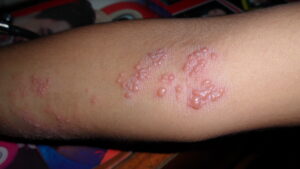
Antibiotics can kill bacteria when they’re actually prescribed by a medical professional and taken correctly. Meaning you didn’t skip any doses, and you took all the required number as noted by a doctor.
They are certainly effective for bacterial infection. However, they have no effect on viruses like the cold or the flu. People usually need a vaccination to prevent viral infections or take antiviral medication for treatment.
The following is a general discussion of bacteria vs. viruses to help you better understand what a bacterial infection is, what a viral infection is, and the treatment needed for both. Antibiotics, including natural ones, could be useful but are not always the necessary treatment.
What is a Bacterial Infection?
Most of the time, bacteria are friendly. These single-celled microorganisms can be found almost everywhere. The ones in our intestines are largely harmless. Some aid in digestion, and some even help us fight off disease-causing microbes.
According to the U.S. National Library of Medicine, less than one percent of bacteria can actually cause illnesses in people. Examples of bacterial infections are urinary tract infections (UTI), tuberculosis, and strep throat.
Treatment for Bacterial Infection
Take doctor-prescribed antibiotics exactly as directed for the full course. That can kill the infection. Bacteria are, however, adaptable, and taking more antibiotics than the prescribed number or dosage can create strains that are resistant to antibiotics.
Furthermore, as the CDC has stated, overuse of antibiotics could kill healthy bacteria that are present in your own body. That could allow toxic germs to enter your body and cause more trouble.
What is a Viral Infection?
Viruses are not able to survive if there’s no living host. They attach themselves to cells, and then they reprogram the cells so they can reproduce. Viruses are tinier than bacteria, and most of them cause diseases. Examples of viral infections are AIDS, chickenpox, herpes, and the common cold. Vaccinations are needed to prevent any viral infection, such as those against polio or measles.
Treatment for Viral Infection
Antiviral medications don’t actually destroy the viruses. They just inhibit the development of the viruses. This type of medication expanded because of the AIDS pandemic. Examples of viruses that these medications can treat include herpes simplex virus, the flu, and shingles, which is caused by the same virus as chickenpox.
Much of the viral infection tends to resolve on its own, so treatment is typically given to relieve symptoms such as cough, fever, and pain.
Since antibiotics don’t work on viruses, the CDC, along with most health organizations, has recommended that antibiotics be used only if there’s a clear confirmation that an actual bacterial infection is present.
Bacteria vs. Virus Distribution
- Both viral infection and bacterial infection are distributed via:
- People who are coughing and/or sneezing
- Kissing and/or sexual intercourse with infected people
- Contaminated foods, water, and other drinks, and even surfaces that were touched by infected people
- Being in contact with infected pets, insects, and livestock
Expert Ways of Telling the Difference Between Bacterial Infections and Viral Infections
Both viruses and bacteria can induce similar symptoms. Plenty of diseases, such as diarrhea, meningitis, and pneumonia, can be induced by a bacterium or a virus. Experts are able to diagnose you via a physical exam (blood tests, urinalysis, or spinal culture) and by studying your medical history.
Most doctors examine the four things below when they are faced with questions about a viral or bacterial infection.
- Fever. Since this is common in both types of infections, they would take into consideration whether the flu is rampant in your residential area or workplace. If that’s the case, then antibiotics won’t be needed. They will just deal with your symptoms. You will also be advised to get a flu shot before the next flu season.
- Being sick for a long time. There are viral infections that stay, and that could result in a bigger problem. For example, a sinus infection could worsen when bacteria multiply. When that happens, your doctor may prescribe an antibiotic.
- Color. If your mucus is either green or yellow, it could be a sign of bacterial infection. However, experts say that this way is not reliable, nor will it indicate if you need to take an antibiotic.
- Throat appearance. If there are white spots in there, that could be a sign of bacteria. If you have a sore throat but no cold symptoms, it could mean you have strep throat, in which case you will certainly need to take antibiotics. Culture or rapid antigen tests will ensure what kind of infection you really have. It can be performed while you’re waiting.
Easy Ways of Making Yourself Feel Better
The CDC provided a long list of other ways to relieve your symptoms. Aside from drinking plenty of water and other fluids, consider the list below as your natural antibiotics for both bacterial and viral infections. Make sure to consult with a doctor before trying any of these alternatives.
If You Have a Cold
- Get a clean humidifier. A cool mist vaporizer could be an alternative.
- Stay away from smoke and further pollutants.
- Take over-the-counter medications, such as acetaminophen or ibuprofen, for the pain and fever.
- Try saline nasal spray/drops.
If You Have a Sore Throat
- Mix salt in warm water and gargle.
- Use a sore throat spray or lozenges, or munch on popsicles or ice chips.
If You Have Sinus Pain or Pressure
- Put a warm compress on top of your nose and forehead to relieve sinus pressure.
- Prepare a bowl of hot water and breathe in the steam.
Is it a viral or bacterial infection? If you want to know, you can connect with a doctor now and ask any medical questions you have. After all, you deserve timely healthcare, and getting to a doctor’s office in winter can be a daunting task.