GLP-1 medications cause side effects in the majority of people who take them. The most common are nausea, diarrhea, constipation, and stomach pain. These symptoms are typically worse during dose increases and improve as your body adjusts. Serious side effects, including pancreatitis and gallbladder problems, are rare but require prompt medical attention.
What Are GLP-1 Medications?
GLP-1 medications are a class of drugs that mimic glucagon-like peptide-1, a hormone your gut naturally releases after eating. They slow stomach emptying, reduce appetite, and signal your brain that you are full. Originally developed for type 2 diabetes, several GLP-1 medications have since received FDA approval for chronic weight management.
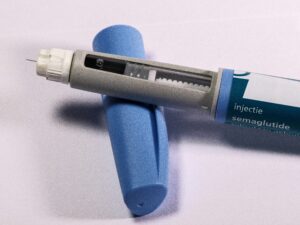
The most widely prescribed GLP-1 medications in the US include semaglutide (Ozempic for diabetes, Wegovy for weight loss), and tirzepatide (Mounjaro for diabetes, Zepbound for weight loss). Each has a distinct side effect profile, which is covered in detail below.
Still Confused? We Have the Solution For You
When it comes to topics like GLP-1, consultation is necessary
“Connect with an online doctor today to learn more about the side effects pertaining to GLP-1. There is no waiting involved.”
“Connect with a Canadian-licensed doctor today to learn more about the side effects pertaining to GLP-1.”
Common Side Effects of GLP-1 Medications
Gastrointestinal side effects are by far the most common category. They affect between 10 and 44 percent of patients, depending on the medication and dose, and are most pronounced during the first weeks of treatment and during dose escalation phases.
Nausea and Vomiting
Nausea is the most frequently reported GLP-1 side effect. Clinical trial data for semaglutide show nausea in approximately 44 percent of Wegovy users, compared to 16 percent on placebo. It is usually mild to moderate, peaks in the first 4 to 8 weeks, and diminishes over time.
Vomiting occurs less often than nausea but follows the same pattern. Eating smaller meals, avoiding high-fat or spicy foods, and not lying down immediately after eating significantly reduces both symptoms.
Diarrhea and Constipation
Diarrhea affects roughly 30 percent of semaglutide users. Constipation is the flip side: some patients cycle between the two as gut motility adjusts to the medication. Both are more common during dose increases. The GLP-1 diarrhea guide covers specific dietary adjustments and when symptoms indicate a more serious problem.
Staying hydrated, increasing dietary fiber gradually, and maintaining consistent meal timing helps regulate gut symptoms for most patients.
Stomach Pain and Bloating
Abdominal discomfort and bloating are common in the first few months. They typically result from slowed gastric emptying, which causes food to sit in the stomach longer than usual. Most patients report this improves significantly after 8 to 12 weeks on a stable dose.
Persistent, severe abdominal pain that radiates to the back is a different matter entirely. That is a potential sign of pancreatitis and requires immediate medical evaluation, not watchful waiting.
Appetite Changes and Fatigue
Reduced appetite is the intended mechanism of GLP-1 medications, not a side effect in the traditional sense. However, appetite suppression can become so pronounced that some patients eat too little, which leads to fatigue, low energy, and inadequate protein intake. Tracking daily protein and calorie intake is important, particularly during the first 3 to 6 months of treatment.
Fatigue unrelated to inadequate eating can also occur, particularly early in treatment. It generally resolves within a few weeks.
Injection Site Reactions
Subcutaneous injections of semaglutide and tirzepatide can cause redness, bruising, itching, or small lumps at the injection site. These reactions are mild and temporary in most cases. Rotating injection sites between the abdomen, thigh, and upper arm, and allowing the medication to reach room temperature before injecting, reduces the frequency and severity of local reactions.
Serious Side Effects and Risks
The following side effects are uncommon but serious. Recognizing them early and seeking medical attention promptly is critical.
Pancreatitis
Acute pancreatitis is a rare but well-documented risk with GLP-1 therapy. The presenting symptom is severe abdominal pain that often radiates to the back, accompanied by nausea and vomiting. If you experience this combination of symptoms, stop taking the medication and go to an emergency department.
The FDA requires that prescribing information for all GLP-1 medications include a warning about pancreatitis risk. Patients with a personal or family history of pancreatitis should discuss this risk carefully with their doctor before starting treatment.
Gallbladder Problems
Gallstones and inflammation of the gallbladder (cholecystitis) occur at higher rates in people on GLP-1 medications than in the general population. This is partly related to rapid weight loss itself, which concentrates bile and promotes stone formation. Cleveland Clinic research notes that gallbladder-related adverse events are more common with higher-dose, longer-duration therapy.
Symptoms of gallbladder problems include pain in the upper right abdomen, pain after eating fatty meals, fever, and jaundice. These require medical evaluation.
Thyroid C-Cell Tumor Warning
| Warning: Thyroid C-Cell Tumors Semaglutide carries an FDA boxed warning based on animal studies showing thyroid C-cell tumors at clinically relevant doses. Human relevance has not been established, but the medication is contraindicated in patients with a personal or family history of medullary thyroid carcinoma (MTC) or Multiple Endocrine Neoplasia syndrome type 2 (MEN2). Symptoms of thyroid tumors include a lump in the neck, difficulty swallowing, shortness of breath, or persistent hoarseness. Report any of these to your doctor immediately. Tirzepatide (Mounjaro, Zepbound) carries the same boxed warning. If you have a personal or family history of MTC or MEN2, GLP-1 medications are not appropriate for you. |
Kidney Injury
Acute kidney injury has been reported with GLP-1 use, typically secondary to dehydration from severe nausea, vomiting, or diarrhea. Maintaining adequate hydration is important throughout treatment. Patients with pre-existing kidney disease should be monitored more closely and may require dose adjustments.
Long-Term Side Effects of Weight Loss Medications
As GLP-1 medications have moved into longer-term use, a separate category of effects related to sustained weight loss and prolonged drug exposure has emerged.
Ozempic Face and Skin Changes
“Ozempic face” refers to facial volume loss, hollowing under the eyes, and looser facial skin that some patients notice during rapid weight loss on GLP-1 therapy. It is not a direct pharmacological effect of the drug. It is a consequence of losing significant body fat quickly, which reduces the subcutaneous fat that gives the face structure.
The same phenomenon occurs with any rapid significant weight loss, including bariatric surgery. Slower, more gradual weight loss reduces the degree of facial volume change. Dermatological options exist if facial volume loss is a concern after reaching a stable weight.
Muscle Loss During Weight Loss
This is one of the most clinically significant long-term concerns. Research suggests that approximately 25 to 40 percent of total weight lost on GLP-1 medications is lean muscle mass rather than fat. Losing muscle mass reduces metabolic rate, physical strength, and long-term weight maintenance after stopping treatment.
The solution is not to avoid GLP-1 medications. It is to pair them with resistance training at least two to three times per week and to consume adequate protein, typically 1.2 to 1.6 grams per kilogram of body weight per day. These interventions substantially reduce muscle loss during active weight loss treatment.
Cancer Risk: What the Research Shows
The thyroid C-cell tumor signal from animal studies is covered above. Beyond thyroid, a 2024 observational study published in JAMA Network Open found that semaglutide was associated with a reduced risk of several obesity-related cancers, including colorectal and endometrial cancer. This is an active research area and the evidence base is evolving.
There is currently no established causal link between GLP-1 use and increased risk of non-thyroid cancers in humans. Patients with a cancer history should discuss the risk-benefit profile with their oncologist and prescribing physician before starting treatment.
Bone Density Concerns
Rapid weight loss of any kind is associated with reductions in bone mineral density, particularly in postmenopausal women and older adults. This has been observed in bariatric surgery patients and is an emerging concern with GLP-1-induced weight loss. Weight-bearing exercise, adequate calcium intake, and vitamin D supplementation are standard protective measures. Bone density monitoring may be appropriate for patients with existing osteopenia or osteoporosis.
How to Manage GLP-1 Side Effects
Most gastrointestinal side effects are manageable with dietary and behavioral adjustments. The following strategies are supported by clinical experience and patient-reported outcomes:
- Eat smaller, more frequent meals. Large meals worsen nausea and bloating because GLP-1 medications already slow stomach emptying.
- Stick to bland, low-fat foods during flare-ups. High-fat, spicy, or heavily processed foods are harder to digest on GLP-1 therapy.
- Stay hydrated. Diarrhea and vomiting increase dehydration risk. Aim for at least 8 cups of water daily and more if you are experiencing GI symptoms.
- Do not eat for at least 2 to 3 hours before bed. Lying down with a slow-emptying stomach increases nausea and reflux.
- Time your injection with meals. Some patients find injecting after a meal reduces nausea compared to injecting before.
- Do not skip dose increases. Side effects are dose-dependent and also time-dependent. The dose escalation schedule exists specifically to allow your body to adapt.
- Add resistance training. Preserves muscle mass and improves body composition outcomes beyond what the medication alone achieves.
If side effects are severe enough to interfere with daily life, contact your prescribing physician. Slowing the dose escalation schedule is a standard and effective option that does not compromise long-term outcomes.
Which GLP-1 Has the Fewest Side Effects?
No GLP-1 medication is entirely free of side effects, but the profiles differ meaningfully across drugs and delivery methods.
| Medication | Nausea | Diarrhea | Constipation | Notable Risk |
| Semaglutide (Ozempic, Wegovy) | High (44%) | Moderate (30%) | Moderate (24%) | Thyroid warning |
| Tirzepatide (Mounjaro, Zepbound) | High (31-45%) | Moderate (17-23%) | Lower (11%) | Thyroid warning |
Tirzepatide’s dual GIP and GLP-1 mechanism appears to produce slightly better tolerability in some patients compared to semaglutide at equivalent efficacy doses, though direct head-to-head comparison data are limited. Liraglutide requires daily injection versus weekly for semaglutide and tirzepatide, which some patients find burdensome.
For a detailed comparison of semaglutide versus tirzepatide, see the Wegovy vs Mounjaro guide. For alternative options, see GLP-1 alternatives.
Patches, Injections, and Pills: Do Side Effects Differ?
Most GLP-1 medications currently on the market are subcutaneous injections. Oral semaglutide (Rybelsus) is approved for type 2 diabetes and has a similar side effect profile to injectable semaglutide, with nausea and diarrhea as the most common complaints. It must be taken on an empty stomach with a small amount of water, which limits dietary flexibility.
GLP-1 patches, including the Kind patch and similar transdermal products being developed or marketed as weight management aids, have a different pharmacokinetic profile from FDA-approved injections. The evidence base for transdermal GLP-1 delivery is much thinner than for injectable or oral formulations. Some products marketed as “GLP-1 patches” do not contain GLP-1 receptor agonists at all and are not regulated by the FDA as drugs. Patients should verify what they are actually taking and whether it has FDA approval before assuming the side effect profile matches approved medications.
What Happens After Stopping GLP-1 Treatment?
GLP-1 medications do not cause permanent physiological changes. When you stop taking them, appetite regulation and gastric emptying return to baseline within days to weeks, depending on the half-life of the specific medication.
The practical consequence is that most patients regain a significant portion of lost weight after stopping. A 2022 withdrawal trial of semaglutide showed that participants regained approximately two thirds of their lost weight within one year of stopping the medication. This is not a side effect of the drug. It is the natural result of removing appetite suppression and returning to baseline hunger signals.
Gastrointestinal side effects that were present during active treatment resolve after stopping. There is no established withdrawal syndrome associated with GLP-1 discontinuation. Patients stopping treatment should work with their doctor on a weight maintenance plan that includes behavioral and dietary strategies to slow regain.
When to Talk to Your Doctor
Most GLP-1 side effects are manageable and expected. The following situations require prompt medical contact rather than watchful waiting:
- Severe abdominal pain, especially pain that radiates to the back and is accompanied by nausea or vomiting (possible pancreatitis)
- Upper right abdominal pain, particularly after meals, with fever or yellowing of the skin or eyes (possible gallbladder disease)
- A lump in the neck, difficulty swallowing, or persistent hoarseness (possible thyroid abnormality)
- Significant reduction in urination or signs of dehydration after vomiting or diarrhea (possible kidney injury)
- Severe nausea or vomiting that prevents you from keeping food or liquids down
- Sudden vision changes (possible diabetic retinopathy complication, more relevant in patients with pre-existing diabetes)
For dose adjustments, side effect management, or questions about whether to continue treatment, a telehealth consultation is appropriate and often faster than waiting for an in-person appointment.
Frequently Asked Questions
Gastrointestinal side effects are usually most severe in the first 4 to 8 weeks of treatment and during each dose increase. Most patients report significant improvement after 2 to 3 months on a stable dose. Some mild nausea can persist throughout treatment but at a level that does not interfere with daily activity.
Nausea, diarrhea, constipation, vomiting, and stomach pain are the most commonly reported side effects across all GLP-1 medications. Fatigue and injection site reactions are also common but generally mild.
FDA-approved GLP-1 medications carry a boxed warning about thyroid C-cell tumors based on animal studies. Human evidence for this risk is not established. Current research on other cancer types is largely reassuring and in some cases suggests a protective effect for obesity-related cancers. Patients with a personal or family history of medullary thyroid carcinoma or MEN2 should not use GLP-1 medications.
“Ozempic face” is a colloquial term for facial volume loss, hollowing around the eyes, and looser facial skin that can occur during rapid weight loss on GLP-1 therapy. It is not a direct effect of the drug. It results from the loss of subcutaneous facial fat that accompanies significant weight reduction, and it occurs with any rapid weight loss method, not specifically with semaglutide.
Yes. Research suggests that 25 to 40 percent of weight lost on GLP-1 medications can be lean muscle mass rather than fat. Pairing GLP-1 treatment with regular resistance training and sufficient protein intake (1.2 to 1.6 g per kg of body weight daily) significantly reduces muscle loss and improves long-term outcomes.
No GLP-1 medication is side effect-free, but tirzepatide (Mounjaro, Zepbound) tends to produce slightly lower rates of constipation than semaglutide, and some patients tolerate it better overall. Individual response varies considerably. The best medication is the one your doctor recommends based on your medical history, tolerance, and treatment goals.
Appetite returns to pre-treatment levels within days to weeks after stopping, and most patients regain a substantial portion of lost weight within 12 months. Gastrointestinal side effects resolve after stopping. There is no established withdrawal syndrome. Stopping treatment should be done with a plan in place for maintaining dietary and behavioral changes.
Combining GLP-1 medications with other weight loss drugs is generally not recommended without direct physician supervision. Some combinations carry additive risks. Talk to your doctor before adding any supplement, prescription drug, or over-the-counter product to your GLP-1 regimen.