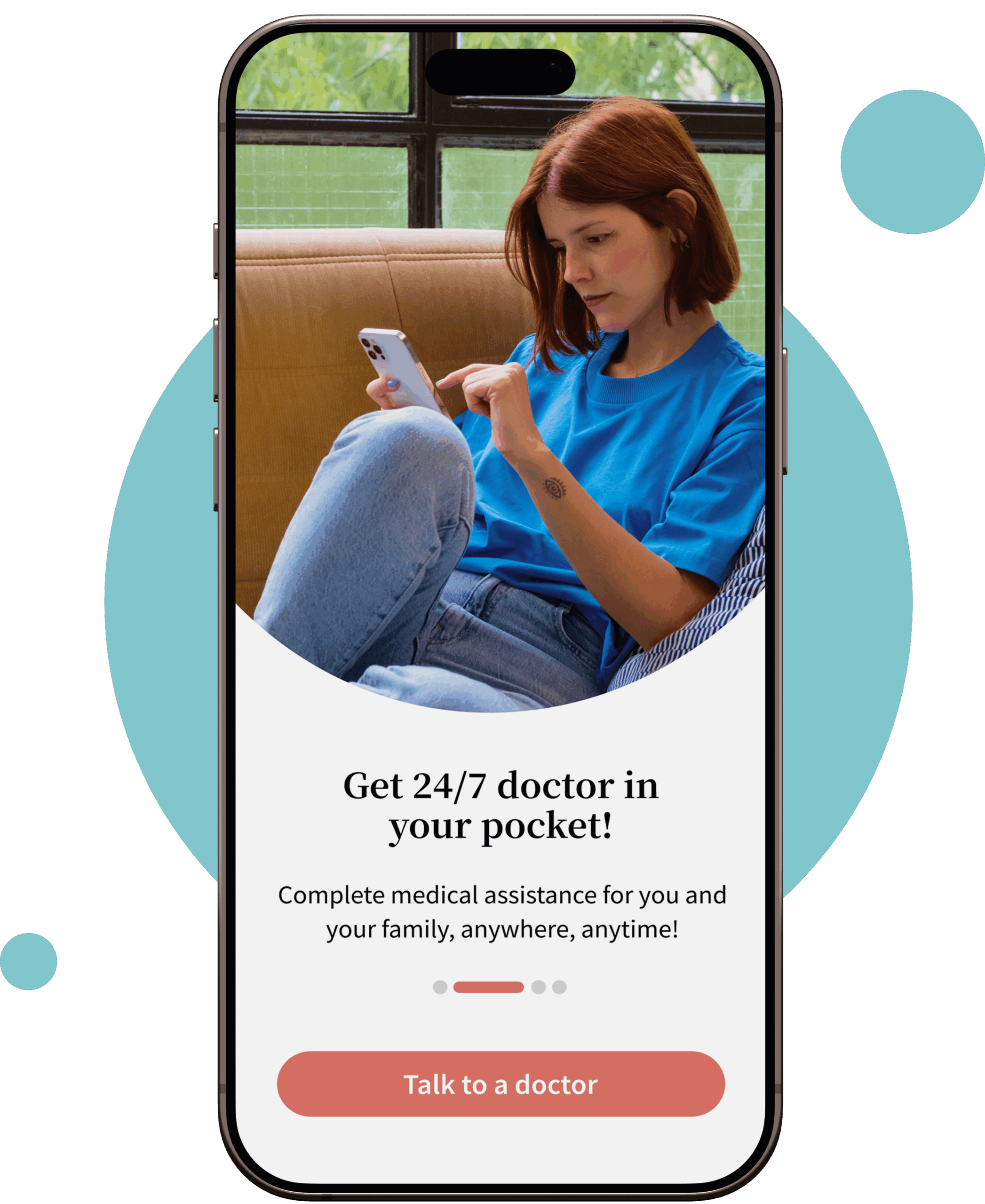
Same-Day Online Back Pain Treatment
Back pain is a prevalent condition affecting millions globally. While preventive practices and at-home care can often alleviate discomfort, some cases require professional intervention.
Our experienced doctors at Your Doctors Online specialize in diagnosing and treating back pain. With online back pain treatment, you get a personalized plan and, when you need one, a prescription sent to your pharmacy, all from the comfort of your home. Don’t let back pain limit your life.
How to connect with a doctor for back pain treatment
Connect with a doctor online and start your back pain treatment the same day, in 3 easy steps.
Describe your issue
Download our app, register and tell us about your medical issue to get started.
- Back Pain
- Anemia
- STD
- UTI
- Skin
- Covid
Chat with a doctor
Connect with a board-certified doctor. You can chat, send pictures and videos.
Hi Dr. Nicole, I have severe back pain. Can you help me?

Get prescription
Our online doctors can help you with your medical issues and give you prescriptions.
Prescription
- Diclofenac Gel 1%: Apply 2g to the affected areas four times a day for three weeks
- Naproxen Tablet 500mg: Twice a day for a week
Send Prescription
What are the treatment options for back pain?
Treatment for back pain depends on its cause and severity. Our doctors can assess your symptoms and prescribe medication when it is appropriate. Treatment options include:
Acute back pain
Most acute episodes, including lower back pain, improve with treatment at home:
- Rest for a day or two, avoiding prolonged bed rest.
- Over-the-counter pain medication, muscle relaxers, and hot/cold therapy.
- Physical therapy may help relieve pain and promote recovery.
Chronic back pain
Expert evaluation is recommended before surgical treatment. Treatment options may include:
- Depending on the diagnosis, procedures like disc replacement, laminectomy, or fusion.
- Medications, including nonsteroidal anti-inflammatory drugs and, for persistent inflammation, cortisone injections.
- Physical therapy or massage therapy to strengthen muscles and reduce tension.
- Seek medical attention if back pain persists after a few weeks.
- Spinal injections when other treatments have not provided enough relief.
Our doctors can prescribe NSAIDs such as naproxen or celecoxib, and muscle relaxants when appropriate, with an online doctor prescription sent to your pharmacy. Spinal injections and surgery need specialist or in-hospital care.
What back pain medications can we prescribe online?

What is back pain?
Back pain is a common condition experienced by up to 90% of individuals at some point in their lives. It can arise from various causes, including overuse, improper posture, or muscle strain. While occasional discomfort is normal, severe or persistent pain that interferes with daily activities may indicate underlying issues.
What are the symptoms of upper, mid, and lower back pain?
Back pain can affect the upper, mid, or lower back, and recognizing its symptoms is important for timely treatment. Common back pain symptoms include:
- Ache or pain in the back, particularly when lifting objects or bending.
- Experiencing worsened pain when resting, sitting, or standing for extended periods.
- Muscle pain and stiffness, often felt in the lower back.
- Muscle weakness, making it challenging to perform daily activities.
- Pain in the back and abdominal muscles, sometimes accompanied by spasms.
- Potentially, pain radiating down the leg, known as sciatica, can cause discomfort in the buttocks, legs, or feet.
- Stiffness in the back, especially noticeable in the morning upon waking.
- Pain that radiates from the back to other areas of the body, such as the buttocks, legs, or abdomen.
Talk to a doctor if your back pain is persistent or severe. Get emergency care right away if back pain comes with loss of bladder or bowel control, numbness in the groin or inner thighs, weakness in both legs, or fever, or if it follows a serious injury. Call 911 or go to the nearest ER.
What causes upper, mid, and lower back pain?
Back pain can stem from various factors, and it may differ from person to person. While some may experience sudden discomfort from muscle strains, others may endure chronic pain due to underlying conditions. Here are some common causes of back pain:
- Muscle Sprains: Heavy lifting, sudden movements, or bending over can strain back muscles, resulting in severe pain.
- Ruptured Disks: The vertebrae in the spine are cushioned by discs, and when these discs rupture or herniate, they can compress nearby nerves, causing pain. Common areas for disc issues are the lumbar region (L4, L5, S1).
- Arthritis: Aging can lead to arthritis, particularly osteoarthritis, which affects the joints, including those in the back. Arthritis-related back pain often worsens with age but can be managed with heat therapy and muscle-strengthening exercises.
- Osteoporosis: This bone disease weakens bones, making them prone to fractures, including compression fractures in the spine. Preventive measures such as making the home fall-safe are essential for individuals with osteoporosis.
- Structural Problems: Structural issues like degenerative disc disease, herniated discs, scoliosis, spinal stenosis, and spondylolisthesis can cause back pain. These conditions often require imaging tests for diagnosis and may necessitate specialized treatment.
- Tendonitis or tendinopathy: Inflammation or degeneration of tendons can cause back and neck pain.
- Spinal cord injury: Trauma to the spinal cord can result in persistent back pain.
Identifying the specific cause of your back pain is crucial for developing an effective treatment plan. Whether you’re experiencing muscle strains, degenerative conditions, or structural abnormalities, seeking medical evaluation and personalized care through virtual visits or in-person evaluation can help alleviate your symptoms and improve your quality of life.

How to prevent back pain?
- Stay active: Regular exercise helps maintain weight, build strong muscles, and improve blood flow, reducing the risk of back injuries.
- Use proper lifting techniques: Lift with your legs, not your back, and engage your core muscles to support your spine.
- Maintain good posture: Sit and stand upright to alleviate pressure on your back muscles.
- Stretch regularly: Stretching improves flexibility and reduces stiffness, lowering the risk of back pain.
- Stay healthy: Excess weight can strain your back, so aim for a healthy weight through diet and exercise.
FAQs about back pain
What is the fastest way to relieve back pain?
The fastest relief for most back pain is a combination of medication and movement. Pain relievers such as acetaminophen and NSAIDs like naproxen or celecoxib can ease the pain, and a muscle relaxant may help if you have spasms. Talk to a doctor to get an online prescription so you can start treatment quickly.
What kind of back pain should I see a doctor for?
For back pain from a mild strain, a doctor will usually recommend pain relief medication and, if needed, a muscle relaxant. See a doctor promptly if your pain radiates down a leg, lasts more than a few days, or comes with swelling, tingling, or numbness.
Can telehealth help with back pain?
Yes. With our telehealth back pain treatment service, you can talk to a doctor from home. Describe your symptoms, receive a diagnosis and treatment plan, and, when medically appropriate, get a prescription sent to your local pharmacy, all without traffic or waiting rooms.
Which doctor to consult for lower back pain?
Start with a primary care or online doctor, since most lower back pain doesn’t need a specialist. If your doctor suspects a structural problem, they may refer you to an orthopedic specialist, who can order X-rays or an MRI and manage musculoskeletal conditions.
How do I know if my back pain is serious?
See a doctor if your pain lasts more than a few weeks or follows an injury. Go to the ER if back pain comes with loss of bladder or bowel control, numbness in the groin, weakness in the legs, fever, or unexplained weight loss. These can signal conditions that need urgent treatment.
What does neurological back pain feel like?
Neurological back pain may include sharp, stabbing sensations, burning or pricking sensations, and radiating pain into the leg. These symptoms may indicate nerve compression or damage, requiring immediate medical attention.
How long does it take to heal a lower back strain?
Most lower back strains improve within 2 weeks, and over 90% of people recover fully within a month. Stay gently active, since long bed rest actually slows healing, but hold off on heavy lifting and vigorous exercise until the pain settles. Physical therapy can speed recovery and prevent recurrence.
What is the best prescription medicine for lower back pain?
There is no single best medicine, because it depends on the cause. NSAIDs are usually first-line, and muscle relaxants like Cyclobenzaprine, Metaxalone, and Tizanidine can ease muscle spasms. They are often combined with physical therapy to relieve pain and improve mobility.
How do you relieve back pain during pregnancy?
Back pain is common in pregnancy as your center of gravity shifts and ligaments loosen. Improving your posture, using a support pillow when sleeping, applying a warm or cold compress, gentle massage, and light activity such as walking or stretching can all help. Ask your doctor before taking any pain medication during pregnancy, as some common options are not safe, especially in the third trimester.
What happens if lower back pain is left untreated?
Untreated back pain can become chronic, limit your mobility, and lead to further health problems from reduced activity. Consult a doctor at Your Doctors Online to treat lower back pain before it gets worse.
How to get rid of lower back pain right side above the buttocks?
Pain in that spot is often sacroiliitis, an inflammation of the sacroiliac joint. It usually settles with rest, hot or cold compresses, better sitting and sleeping posture, and NSAIDs to ease pain and inflammation. See a doctor if it persists.
How Our App Has
Helped Patients
Our 500,000+ Members Love Our Online Doctors 5 Star Rating With 1600+ Reviews Here Is What They Say


-Phindile Mkhatshwa
-brooke snow
-Okiti Stephanie
-ASIF Khan
-Chelsey
-edith bien aime
-Lesego Thejane
-Stephanie Brown
-kulwinder gill
-Elijah Mark
Get Started Today
Talk to online doctors now and get medical advice, online prescriptions, refills, lab requisitions and medical notes within minutes. On-demand healthcare services at your fingertips.