Online Hypertension (High Blood Pressure) Treatment
Start a consultation for high blood pressure now, with no appointment and no waiting room. A board-certified doctor reviews your readings and your history, and your prescription or refill reaches your local pharmacy the same day when treatment is medically appropriate. Available 24/7 for a new diagnosis, a dose change, or a refill before you run out.
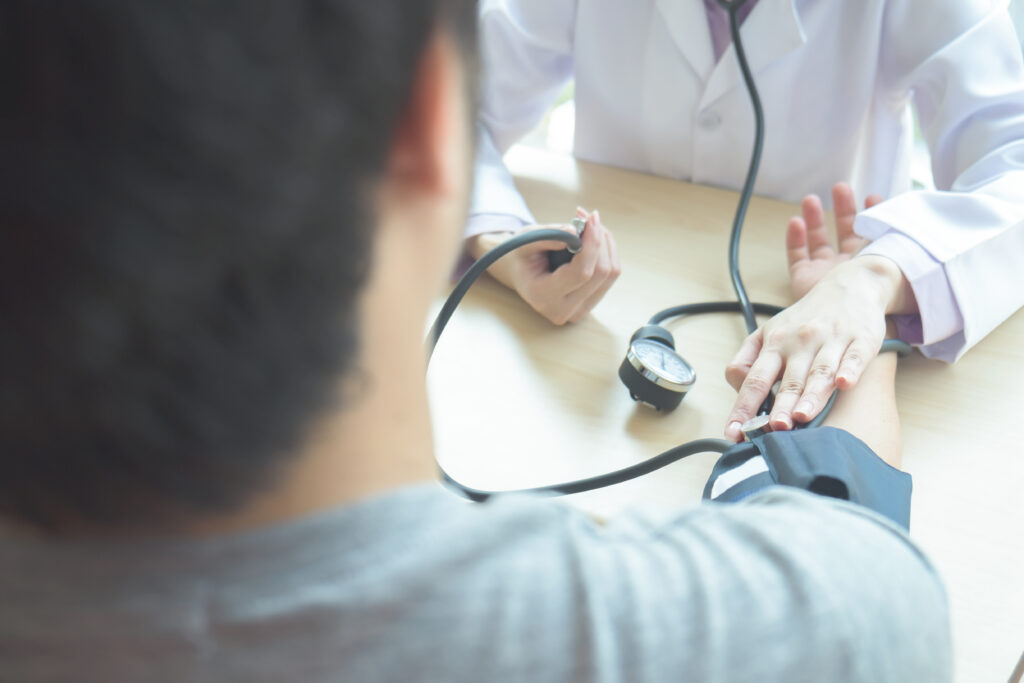
- Prescription sent to your pharmacy the same day
- 24/7 access to a board-certified doctor
- Refills and renewals without an office visit
Trusted by millions for online doctor diagnosis
Over 1 million+ patients
5-star Doctor Ratings
4.8 Rating
20k+ App Reviews
4.6 Rating
1k+ Trustpilot Reviews
Getting your refills from us is straightforward
A licensed doctor is available 24 hours a day, so managing your blood pressure never has to wait for an office visit.
Get prescriptions 24/7
Patients can connect with a licensed doctor at any time of the day or night for treatment.
Prescription issued within minutes
Your prescriptions are issued within minutes after your virtual consultation.
No commute or wait time
No need to travel long distances to get a simple prescription.
How to get blood pressure treatment online
Just three easy steps to get expert medical help from your phone, wherever you are.
Describe your symptoms
Download our app, register, and tell us about your symptoms in order to start your virtual consultation.

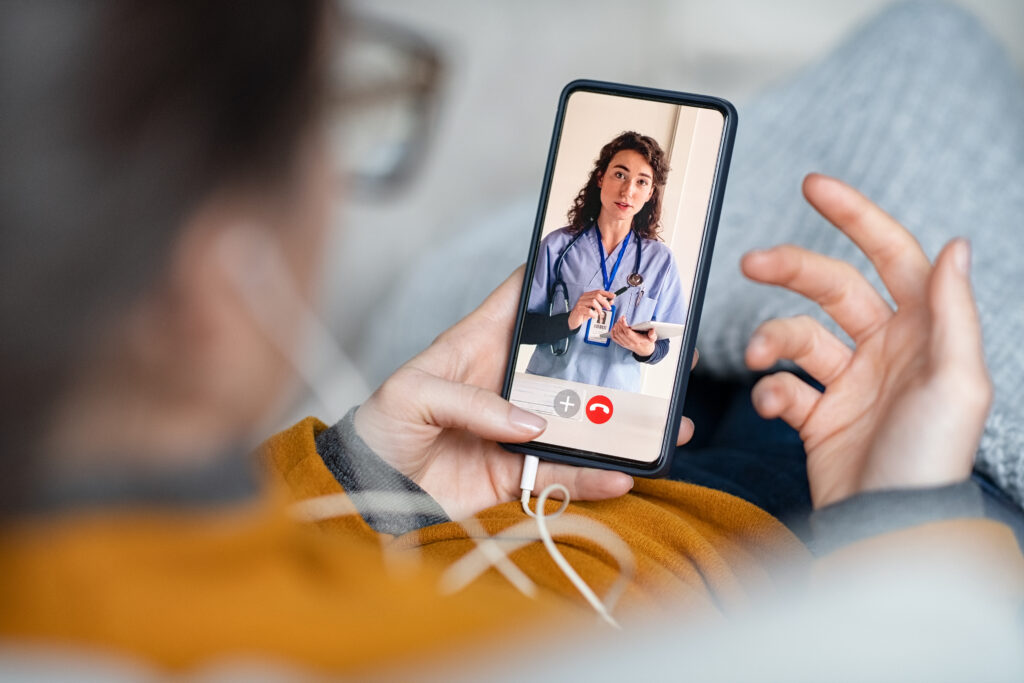
Chat with a doctor
You can connect with our online doctors via chat, audio or video consultation.
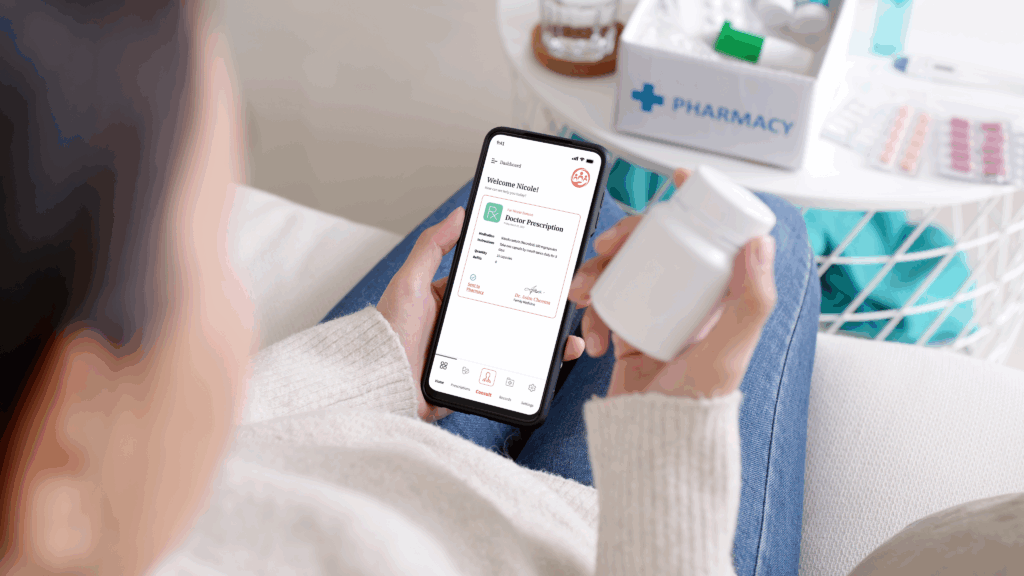
Get an online prescription
Receive your prescription for your condition or get your medication refill.
What are the treatment options for high blood pressure?
Treatment pairs daily medication with changes you can start this week. A licensed doctor reviews your readings and can send an online doctor prescription straight to your local pharmacy, so the medication part never lapses.
- Lifestyle changes, meaning a DASH style eating pattern, less sodium, regular activity, less alcohol, and weight management, which the 2025 AHA and ACC guideline still calls first line therapy alongside a target below 130/80 mm Hg
- Thiazide and thiazide like diuretics, such as Chlorthalidone and Hydrochlorothiazide, which help the kidneys clear sodium
- ACE inhibitors, such as Lisinopril, and angiotensin II receptor blockers, such as Losartan and Candesartan, which relax the blood vessels
- Calcium channel blockers, such as Amlodipine, which ease the muscle in the blood vessel wall
- Beta blockers, such as Atenolol and Metoprolol, now usually kept back for when the classes above are not enough or cannot be used

What blood pressure medications can we prescribe online?
Here are the blood pressure medications you are most likely to be prescribed or have refilled after an online consultation.
Lisinopril
ACE inhibitor
Atenolol
Beta-blocker
Amlodipine
Calcium channel blocker
Chlorthalidone
Thiazide-like diuretic
Candesartan
Angiotensin II receptor blocker
Lisinopril
ACE inhibitor
Atenolol
Beta-blocker
Amlodipine
Calcium channel blocker
Chlorthalidone
Thiazide-like diuretic
Candesartan
Angiotensin II receptor blocker
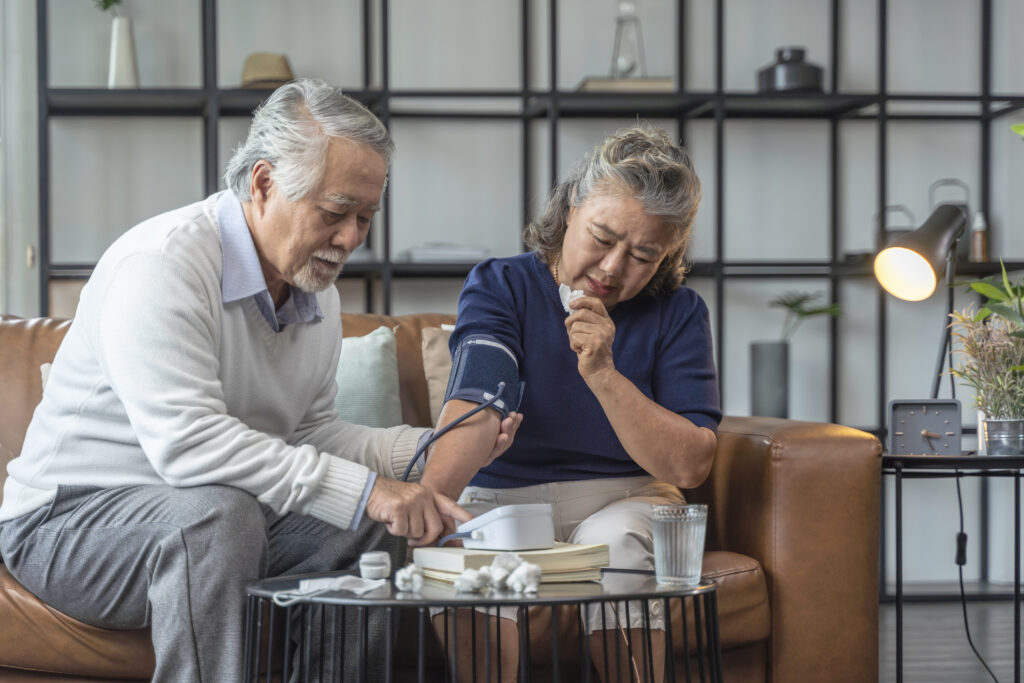
What is hypertension (high blood pressure)?
Hypertension, or high blood pressure, means the blood pushes too hard against the walls of your arteries over time. It is generally diagnosed when your blood pressure stays at 130/80 mm Hg or higher on repeated readings.
High blood pressure is very common, affecting nearly half of U.S. adults. The problem is that it usually causes no noticeable symptoms, so many people do not know they have it.
Over time, untreated high blood pressure can damage your blood vessels and increase your risk of heart attack, heart failure, stroke, kidney disease, and vision problems. Keeping your blood pressure under control can help prevent these complications.
What are the symptoms of high blood pressure?
High blood pressure usually has no symptoms, so the only way to know your blood pressure is too high is to measure it. Many people have high blood pressure for years without feeling anything wrong.
When blood pressure becomes very high, symptoms can include:
- Severe headache
- Nausea or vomiting
- Confusion
- Vision changes
- Nosebleed
- Chest pain
- Trouble breathing
- Weakness or numbness on one side, trouble speaking
A reading of 180/120 mm Hg or higher needs urgent medical attention, especially if you have any of these symptoms.
What causes high blood pressure?
High blood pressure often develops over time without one clear cause. Your age, family history, weight, diet, activity level, smoking, alcohol use, and diabetes can all increase your risk.
- Kidney problems can raise blood pressure, especially if the kidneys are damaged or the arteries supplying them narrow.
- Hormone problems involving the thyroid or adrenal glands can also raise blood pressure.
- Sleep apnea can contribute to high blood pressure, especially when it is difficult to control.
- Certain medicines and substances, including ibuprofen, naproxen, some birth control pills, decongestants, steroids, stimulants, and heavy alcohol use, can raise blood pressure.
- Pregnancy can also cause high blood pressure and requires closer medical monitoring.
Most people have more than one risk factor, so finding the cause is not always straightforward. A doctor can review your health history, medications, and blood pressure readings to look for anything that may be contributing.
Meet our online doctors in the United States
Dr. Stotland Mitchell is a board-certified Occupational Medicine physician with 5+ years of experience. He provides virtual care across all U.S. states and D.C., blending allopathic medicine with public health insights. His approach focuses on rapid symptom relief and long-term prevention, often resulting in faster recovery and improved health outcomes for his patients.

Dr. Richard Honaker is a board-certified physician with more than 40 years of experience in family and emergency medicine. He serves as Chief Medical Advisor at Your Doctors Online and is affiliated with Medical City Plano in Texas. Recognized multiple times by D Magazine and Texas Monthly, Dr. Honaker provides evidence-based care across a wide range of conditions including diabetes, hypertension, and injury care.

Dr. Monique Rainford is an OB/GYN expert and Assistant Clinical Professor at Yale School of Medicine. With 25+ years of experience, she’s led OB/GYN departments at Yale Health and Baltimore Medical System. Her clinical interests include pregnancy, menstrual health, chronic pelvic conditions, and lifestyle medicine. Dr. Rainford advocates for maternal health equity, especially in underserved communities.

Dr. Candice Fraser is an OB/GYN practitioner and founder of Trinity Medical Care. With over a decade of experience, she focuses on reproductive care, menstrual health, and menopause management. Along with medical training and residency, she also holds an MBA in healthcare management, blending business insight with clinical excellence.
Dr. Danielle DonDiego is a double board-certified Family and Obesity Medicine physician, business mentor, and author of Self-Care Rx. She focuses on helping patients manage weight, improve nutrition, and adopt sustainable lifestyle changes. A graduate of the Virginia College of Osteopathic Medicine with an MBA from Virginia Tech, she combines her medical expertise with a passion for patient education and long-term wellness.
Dr. Amber Robins is a double board-certified Family and Lifestyle Medicine physician with a strong focus on women’s health, preventive care, and patient advocacy. She earned her MD from the University of Rochester and an MBA from LSU-Shreveport. A published author and media contributor, she blends clinical expertise with a passion for empowering patients to make informed health decisions.
Dr. Nina Carroll is a retired OB/GYN with decades of experience serving women in the U.S. and abroad. She specialized in menopause care, sexual health, and trauma-informed women’s health. Today, she continues her work through medical writing, focusing on sexual minority women’s health and care for survivors of trauma.
Dr. Nerissa Bauer is a behavioral pediatrician specializing in ADHD, parenting strategies, and mental health in children. A former academic and AAP spokesperson, she is the creator of the TEACH Me ADHD program, helping families better understand and manage ADHD. She brings warmth, creativity, and evidence-based guidance to her work with patients and parents.


Frequently asked questions
Who can prescribe blood pressure medication?
Any primary care clinician can prescribe blood pressure medication, which covers family doctors, internists, nurse practitioners and physician associates. At Your Doctors Online a licensed doctor goes through your readings and your history and can start or refill treatment when it is medically appropriate.
Can I get high blood pressure medication online?
Yes. A high blood pressure medication refill can be issued after an online consultation. Our doctor reviews your medical history, the medicines you are already on and your recent readings, then sends the prescription to your local pharmacy. The exception is a hypertensive emergency, which needs an emergency department rather than a virtual visit.
What are the risks of not taking my high blood pressure medication?
Stopping blood pressure medication without medical advice lets the pressure climb straight back to where it was, and sometimes higher. With some drugs, beta blockers in particular, stopping abruptly can also bring on a racing heart, chest pain, nausea and agitation. If a medicine is causing side effects, ask a doctor to change it rather than stopping it on your own.
Can you feel when your blood pressure is high?
Usually not. Most of the time high blood pressure causes no symptoms at all, which is why so many people only find out when a reading is taken. Severe headache, nausea, confusion, vision changes or nosebleeds tend to show up only when pressure is very high, and every one of them has plenty of other explanations. Measuring is the only way to know.
What is the first choice drug for hypertension?
There is no single first choice for everyone. Thiazide type diuretics, ACE inhibitors, angiotensin II receptor blockers and calcium channel blockers such as Amlodipine are all treated as first line, and the choice between them turns on your age, kidney function, other conditions and the medicines you already take. A thiazide is often preferred where fluid retention or calcium kidney stones are also in the picture. Beta blockers are usually kept back for when one of the other classes is not enough or cannot be used.
How can I quickly lower my blood pressure?
There is no safe way to drop your blood pressure quickly at home. Severely high blood pressure with signs of organ damage is treated in hospital with medicine given into a vein, and starting with an oral dose is specifically not recommended. If your reading is 180/120 mm Hg or higher, contact a doctor the same day, and call 911 if it comes with chest pain, breathlessness, weakness on one side, slurred speech or sudden vision loss. Lasting reductions come from taking your medication every day and from less sodium, more activity, less alcohol and losing extra weight.
When is blood pressure high enough to go to the hospital?
A reading of 180/120 mm Hg or higher needs medical attention the same day. Go to an emergency department, or call 911, if it comes with chest pain, breathlessness, a severe headache, confusion, weakness or numbness on one side, slurred speech or sudden vision loss, because those point to organ damage already under way.
How high can blood pressure go before a stroke?
There is no single number that guarantees a stroke. The risk climbs steadily as blood pressure climbs, and above 180/120 mm Hg a stroke or damage to another organ becomes a real possibility. That makes it a same day medical problem rather than something to raise at your next appointment.
Can you get blood pressure medication without going to the doctor?
No. Blood pressure medicines need a prescription and someone keeping an eye on your readings, your kidney function and your potassium, so they cannot be started or continued without a clinician. What you can skip is the trip. An online doctor prescription covers the review and the prescription, and your local pharmacy has it the same day.
How are hypertension, heart disease, and stroke related?
High blood pressure damages artery walls over years, which speeds up the fatty narrowing that leads to heart attack, heart failure and stroke. The heart also has to work against higher pressure, so its muscle thickens and eventually stiffens. That is why bringing the pressure down lowers the risk of both, and why treatment matters long before you feel anything.