Overview
Living with irritable bowel syndrome can be tricky if not properly treated. Check out five simple ways to manage your symptoms.
Living with irritable bowel syndrome (IBS) can be tricky, particularly when you’re constantly dealing with symptoms like cramping, abdominal pain, bloating, diarrhea, and constipation. If you have a sensitive gut that can react to anything, ranging from fruits and vegetables that contain poorly absorbed sugars to wheat-based products and spicy foods, it becomes difficult to keep your digestive system in check.
Finding the right strategy and establishing a routine can help you manage symptoms and prevent flare-ups. Even though finding what works for you involves trial and error, is time-consuming, and may require some experimentation, it is definitely worth it.
Symptoms of IBS attack:
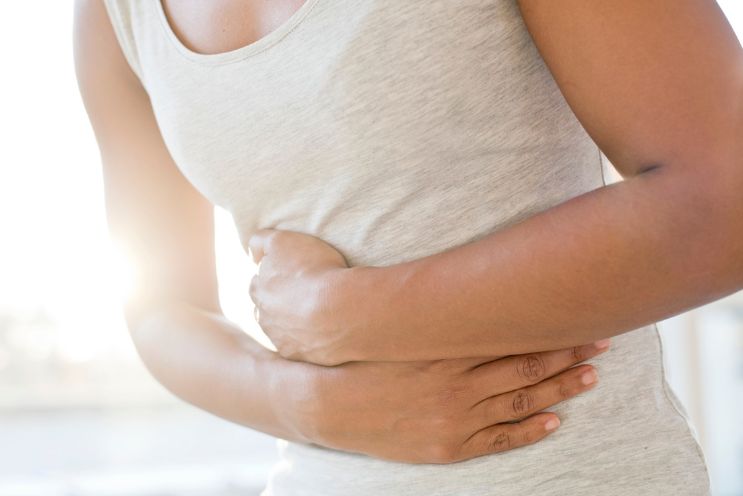
The common symptoms reported during an IBS attack include:
- Lower abdominal pain or cramps.
- Bloating.
- Diarrhea.
- Constipation.
- Alternate episodes of diarrhoea and constipation.
- Excess gas(flautalence).
- Mucus in the stool.
For women, IBS symptoms usually flare up during their periods. These symptoms repeatedly occur, resulting in stress and depression. Management of stress, along with dietary and lifestyle changes, can help alleviate mild symptoms.
Here are some recommendations to help you relieve (and even avoid) the symptoms associated with IBS.
Become your own Chef
When living with IBS, you have to be mindful of the ingredients that go into your meals. This is why it is not possible to rely on restaurants or ready meals. Many of these meals may contain dairy products and sugary syrups which aren’t the best for your digestive system.
Additionally, rich or fatty foods, which are often the most readily available dine-out or take-out options, are a no-no. These include fast foods, cakes, biscuits, deep-fried foods, sausages, and pizzas.
Hence, it is better to start cooking at home so that you have control over what goes in your meals. This is not only healthier but also helps you avoid unnecessary flare-ups.
The IBS Network offers some excellent recipes for a sensitive gut, which can serve as a good starting point for you.
Related: 5 Simple ways to deal with a gassy stomach
Keep track of what you eat
As simple as this sounds, this really does help. Documenting how your body reacts to different foods will help you identify what does and doesn’t work for you. As IBS affects everyone differently, once you know your own personal triggers, you can manage your symptoms more effectively.
However, don’t be too quick to remove something from your diet if you’ve reacted at least twice; then restrict the consumption of that particular food. If unsure, it is always a good idea to consult a doctor and/or visit a dietician to ensure you’re getting the nutrition you need.
Secondly, listen to your body. For instance, if constipation is your concern, consume more insoluble fibre and increase your water intake. Whole grains and leafy greens can bulk up the stool and relieve the symptoms.
Similarly, if you’re experiencing bouts of diarrhea, try to consume more soluble fibre. As it soaks up liquid in your intestines, it can help provide relief.
Read next: Everything you need to know about the gut/brain connection
A diet plan that works for you
Focusing on your diet can yield many long-term benefits. A special diet, called the low FODMAP diet, has gained significant popularity. This diet works for people living with IBS because it limits the consumption of certain foods that contain carbohydrates that are hard to digest.
These foods include certain fruits and vegetables, juices, dairy products, wheat and rye products, honey, and foods containing high-fructose corn syrup, as well as candies.
You can discuss this diet with your dietician and create a plan that works for you. You can start by adding more exclusions and monitoring your symptoms. Gradually, if the symptoms are under control, you can add foods that contain FODMAPs back into your diet.
Additionally, according to the NHS, it is advisable not to consume more than three portions of fresh fruit a day and to limit tea and coffee intake to no more than three cups a day. Once you have a diet plan in place, you’ll see a reduction in flare-ups.
Exercise! Exercise! Exercise!
A recent study has shown that increased physical activity plays a crucial role in alleviating gastrointestinal symptoms. It documented that physically active individuals with IBS faced less symptom deterioration compared to physically inactive individuals.
Hence, try to incorporate some exercise in your daily routine. This could range from walking and jogging to swimming and cycling. Exercise helps release endorphins, relieves stress, and has a positive impact on your digestive system.
Try Probiotics
Probiotics comprise good bacteria that help regulate the digestive system, and some recent research has shown that certain strains of bacteria can relieve IBS symptoms.
According to The Association of UK Dieticians, when you decide to incorporate probiotic supplements, yogurt, or fermented milk drinks into your diet, try to consume them consistently for at least four weeks to see if they improve your symptoms.
Can IBS cause back pain?
Lower back pain is a frequently reported symptom in people with irritable bowel syndrome. According to studies, around 81% of people with the condition experience back pain. The cause of the pain is attributed to the following:
Referred pain: In many health conditions, pain originates in one part of the body but can be felt in another region. In the case of IBS, it is thought to be in the back.
Pain due to another health condition: Those who have IBS often have another autoimmune condition at the same time, such as fibromyalgia or rheumatoid arthritis. These conditions can cause back pain.
Physical factors: Gas pressure/bloating, constipation, or intestinal spasms can lead to pain in the abdomen and lower back.
Is IBS a disability?
Irritable bowel syndrome can affect a person’s life. The symptoms may prevent someone from working or participating in routine daily activities. The Social Security Administration (SSA) does not consider IBS a disability. However, specific organizations may consider it a disability. Some individuals with the condition may be eligible for additional benefits if they meet specific criteria.
When to Consult a Doctor for IBS
These changes to your diet and lifestyle can help you live with IBS and enable you to control the symptoms associated with it. If you still have any specific questions about IBS, dietary restrictions, or medications, chat with one of our doctors today and receive prompt, genuine medical advice.