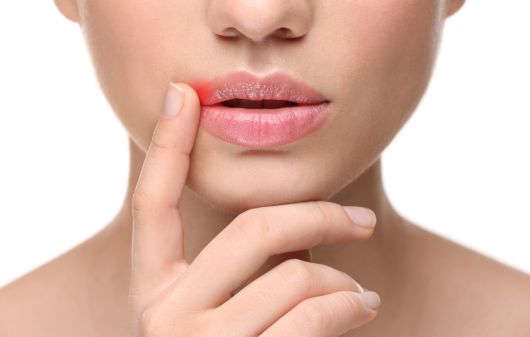
Online Impetigo Treatment
Talk to a board-certified doctor without an appointment or waiting room. We will review your photos, how long the sores have been present, and how much skin is involved, and then send a prescription to your pharmacy the same day when medically appropriate.
Available 24/7 for a first outbreak, spreading sores, or treatment that has not worked.
How to get same-day impetigo treatment online
Connect with a health care professional online in 3 easy steps.
Describe your issue
Download our app, register and tell us about your medical issue to get started.
- Impetigo
- Anemia
- STD
- UTI
- Skin
- COVID-19
Chat with a doctor
Connect with a board-certified doctor. You can chat, send pictures and videos.
Hi Dr. Nicole, I have golden crusted blisters or sores around my mouth and nose. Can you help me?

Get online prescription
Our online doctors can help you with your medical issues and give you prescriptions.
Prescription
- Mupirocin ointment 2%
- Apply 3 times a day for up to 10 days
Send Prescription
What are the treatment options for impetigo?
Impetigo is a bacterial skin infection, so treatment usually involves an antibiotic. The treatment depends mainly on how much skin is affected and where the sores are.
- A small number of sores: A prescription antibiotic ointment such as mupirocin may be enough. It is applied directly to the sores as directed by your doctor.
- Several sores or large blisters: You may need an antibiotic taken by mouth, instead of or in addition to a cream.
- Crusted sores: Gently soften and clean the crust with a warm, wet cloth, then use soap and water before applying the medicine.
- Certain cases need in-person care: Sores near the eyes or inside the nose or mouth, impetigo in a newborn, or infection in someone with a weakened immune system should be assessed in person.
- Some symptoms need urgent care: A rapidly spreading red area, fever, or severe pain can indicate a deeper infection and should be evaluated urgently.
After reviewing your symptoms and photos, a doctor can recommend the appropriate treatment and, when medically appropriate, provide an online antibiotic prescription.
What antibiotics can we prescribe online for impetigo?
Treatment depends on how much skin is affected, your age, and your medical history. A doctor may recommend an antibiotic ointment for a small area or an oral antibiotic such as cephalexin when more skin is affected. Other antibiotics may be needed for harder-to-treat infections or when certain medicines are not safe.
Topical antibiotic
Learn More
Cephalosporin antibiotic
Learn More Penicillin antibiotic
Learn More What is impetigo and what causes it?
Impetigo is a common skin infection caused by bacteria. It usually affects the top layer of skin and is most common in young children, although adults can get it too. The two main bacteria that cause impetigo are staph (Staphylococcus aureus) and group A strep (Streptococcus pyogenes).
It usually starts when bacteria enter broken or irritated skin, such as a cut, scrape, insect bite, or an area affected by eczema. Impetigo can also spread through close contact with someone who has it or by sharing towels, clothes, or bedding.
Impetigo spreads in warm, humid weather and crowded settings. It is usually diagnosed by examining the skin, and treatment with the appropriate antibiotic can clear the infection and help prevent its spread to others.
What are the symptoms of impetigo?
Impetigo looks different on day three than it did on day one, which is why it is often mistaken for a bug bite, a cold sore, or an infected scratch.
- It starts as small red bumps or pimple-like spots, most often around the nose and mouth, or on the hands, arms, and legs.
- The bumps become blisters that pop easily and weep a yellow fluid.
- After a few days, the weeping dries into a thick crust, the color of honey. It itches more than it hurts. That crust is the giveaway.
- Scratching moves it. New patches turn up wherever the fingers have been.
- Bullous impetigo skips the crust entirely: larger, softer blisters on the trunk and in skin folds, mostly in babies.
- Mildly swollen glands near the sores are common. Mention them, because they are one of the reasons a doctor picks tablets over ointment.
- A fever, redness creeping past the edges of the sores, or deep, painful sores may mean this is more than a surface infection. That needs to be seen in person the same day.

Can you treat impetigo at home?
You can manage some symptoms at home, but impetigo usually requires antibiotic treatment to clear the infection. These home care tips can help the skin heal and prevent the infection from spreading:
- Gently clean the sores with soap and water. Soften any crusts with a warm, wet cloth before applying your prescribed medicine.
- Keep the sores covered and keep your nails short to avoid scratching and spreading the infection.
- Wash clothes, towels, and bedding every day while the sores are open.
- Do not rely on over-the-counter antibiotic creams or home remedies to treat impetigo. They may not clear the infection.
See a doctor if the sores keep spreading after treatment, you develop a fever, the sores are near your eye, or the infection affects a newborn or someone with a weakened immune system.
FAQs about impetigo treatment online
What is impetigo?
Impetigo is a bacterial skin infection that sits in the very top layer of skin. It shows up as red sores that blister, burst and dry into a honey-colored crust, most often around the nose and mouth. It passes on by touch and by shared towels, clothes and bedding. With an antibiotic it usually settles inside a week to 10 days.
How long is impetigo contagious?
It stops spreading easily soon after antibiotics start. CDC says people can go back to school or work at least 12 hours after starting antibiotic treatment, with the sores covered. Untreated, it stays contagious as long as there are weeping sores or fresh crusts. CDC adds that in some situations, such as an outbreak or a patient who works in healthcare, a full 24 hours should be considered.
Can adults get impetigo from a child?
Yes. Impetigo does not care how old you are. It travels through direct contact with the fluid from someone’s sores, or through a shared towel, pillowcase or shirt. Adults usually catch it through skin that is already broken by eczema, a shaving nick or a scratch, though it can start on skin with no visible break at all. Cover the child’s sores. Launder their towels and bedding daily, separately from everyone else’s, and clean your hands after every application.
What happens if impetigo is left untreated?
Most of the time it clears eventually, but slowly, and it keeps spreading in the meantime, both across the skin and to other people. It can go deeper and become ecthyma, which can leave a scar. The rare one worth knowing about is a kidney reaction called post-streptococcal glomerulonephritis, which can appear one to two weeks after the skin has healed. The signs are dark, reddish-brown urine, puffiness in the face and around the eyes that is worst first thing in the morning, and unusual tiredness. CDC now says rheumatic fever can follow a strep skin infection too.
Should I talk to a doctor about impetigo?
Yes, and it does not have to be in person. A doctor can confirm it from photos and prescribe when treatment is appropriate. Go the same day and in person if there is a fever, if the red area around a sore is getting bigger, if the sores are near an eye, if the patient is a newborn, or if someone’s immune system is suppressed.
What is the fastest way to cure impetigo?
Prescription antibiotic ointment on a small patch, started early. Mupirocin ointment 2 percent goes on three times a day for up to 10 days. If nothing looks better after three to five days, tell your doctor. Soften and wash the crust off first, or the ointment just sits on top of it. If the sores are in more than one place, an antibiotic taken by mouth works faster than ointment alone.
Will bacitracin treat impetigo?
It is not the recommended treatment. Bacitracin and triple-antibiotic ointments are the tubes in most bathroom cabinets, and their label is for preventing infection in minor cuts and scrapes, not for treating one. For a few impetigo sores in one spot you need prescription mupirocin ointment. For sores in several places you need an antibiotic taken by mouth.
Can impetigo look like diaper rash?
It can, and in babies it is often the bullous kind, with larger, floppier blisters. Ordinary diaper rash is a flat red irritation that improves with barrier cream and time out of a diaper. If the rash blisters, weeps, dries into a golden crust, or spreads past the diaper area, it is not diaper rash and barrier cream will not touch it.
Will impetigo go away without antibiotics?
Sometimes, but you cannot count on it. In a 2021 review of impetigo left untreated, 16 to 41 percent of people were no better after a week. Antibiotics shorten it and, just as usefully, stop it working through the household.
Why is impetigo so hard to get rid of?
Usually it is not the bacteria. It is the routine. It comes back when the crust is not washed off before the ointment goes on, when the course stops early because the skin looks better, when towels and bedding are shared, or when scratching keeps carrying it to fresh skin. Staph also lives quietly in the nose, so some people keep re-infecting themselves. If it keeps coming back, that is worth raising with a doctor. Resistant staph is a real cause, but not the usual one.
What is the best oral antibiotic for impetigo?
There is no single best one. For most people it is cephalexin, because it covers both bacteria that cause impetigo, and Augmentin is the alternative. If a swab shows harder-to-treat staph, the doctor moves to something else, chosen around the patient’s age and anything else they take. Plain penicillin on its own is unreliable against staph, which is why it is not the usual choice.
Does impetigo leave scars?
Ordinary impetigo does not. The crust lifts and the skin underneath heals flat, sometimes with a pink or pale patch that fades over a few weeks. Two things cause scarring: scratching, and an infection that reaches deeper skin. Ecthyma, the deeper form, can scar. Short nails, covered sores and early treatment are what prevent it.
Can I use Fucidin (fusidic acid) cream for impetigo?
Not in the United States. Fusidic acid is a first-line impetigo treatment across much of Europe, but it has never been approved by the FDA, so a US pharmacy has nothing to fill. Retapamulin (Altabax) was approved here and is no longer marketed, which is why you may still see it listed as an option. The prescription topical you can actually get for impetigo in the US is mupirocin ointment 2 percent.
How Our App Has
Helped Patients
Our 500,000+ Members Love Our Online Doctors 5 Star Rating With 1600+ Reviews Here Is What They Say


-Phindile Mkhatshwa
-brooke snow
-Okiti Stephanie
-ASIF Khan
-Chelsey
-edith bien aime
-Lesego Thejane
-Stephanie Brown
-kulwinder gill
-Elijah Mark
Get started today
Talk to online doctors now and get medical advice, online prescriptions, refills, lab requisitions and medical notes within minutes. On-demand healthcare services at your fingertips.