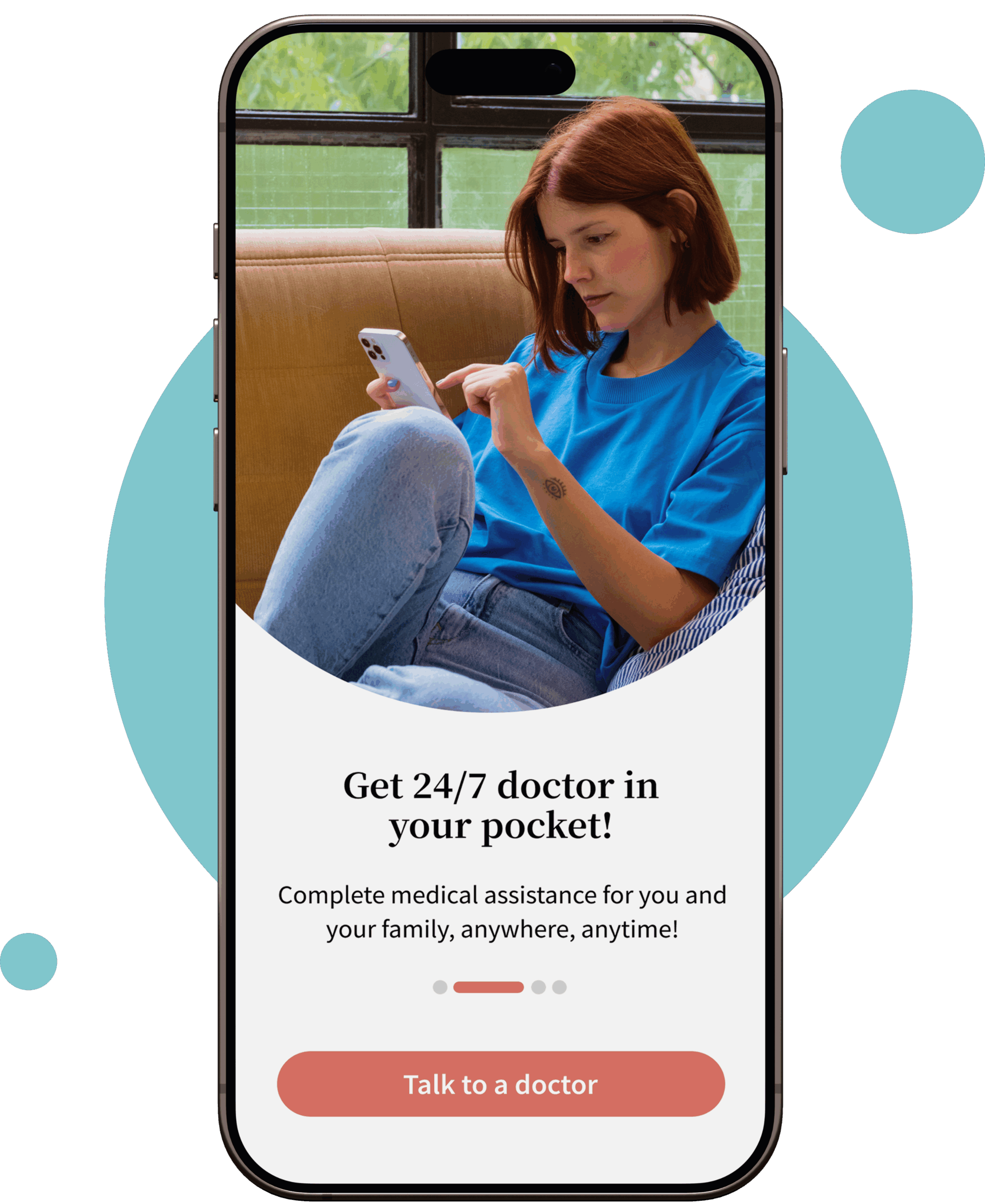
Get online treatment for iron deficiency anemia without waiting weeks for an appointment. Your doctor orders your blood tests, reviews the results with you, and builds a treatment plan to increase your iron levels back to normal.
Start a visit via chat, audio, or video, and describe your symptoms and any past blood test results. A licensed doctor connects with you within minutes.
Your doctor will review your medical history and send an online lab requisition for complete blood count (CBC), ferritin, and iron panel that you can take to any accredited lab.
Hi I’m dr. Nicole. How may I help you?
Hi Dr. Nicole, I have felt tired and pale skin all day. What should I do?

Your doctor reviews your results, prescribes iron when needed, and monitors your progress with follow-up blood tests. They can adjust your dose if your levels aren’t improving and help you manage side effects.
Prescription
Send Prescription
Treatment depends on your blood test results, symptoms, and the cause of your iron deficiency. Common options include:
Heavy periods, pregnancy, poor iron absorption, and bleeding in the stomach or intestines can cause iron deficiency. If your hemoglobin does not improve, your doctor may investigate ongoing blood loss or other causes.
Your body needs iron to make hemoglobin, a substance in your red blood cells that carries oxygen throughout your body. Iron deficiency means your body does not have enough stored iron. If your iron levels stay low, your body may eventually struggle to produce enough hemoglobin, leading to iron-deficiency anemia.
Not all anemia is caused by low iron. Vitamin B12 deficiency and other types of anemia need different treatments, so blood tests help your doctor identify the cause.
When your body doesn’t have enough iron to make hemoglobin, less oxygen reaches your tissues, causing:
Mild anemia may cause no symptoms. You’re at higher risk if you have heavy periods, are pregnant, follow a vegetarian or vegan diet, donate blood frequently, or have a digestive condition that affects iron absorption. Regular aspirin or NSAID use and endurance training can also increase your risk.
Some at-home finger-prick tests check ferritin, a protein that shows how much iron your body stores. However, these tests cannot diagnose iron-deficiency anemia on their own, and results may be inaccurate. The FDA advises discussing home test results with a healthcare professional.
To confirm iron deficiency, your doctor may recommend:
Your doctor will interpret these results alongside your symptoms and medical history. You can get an online lab requisition and have your results reviewed without visiting a clinic for the consultation.
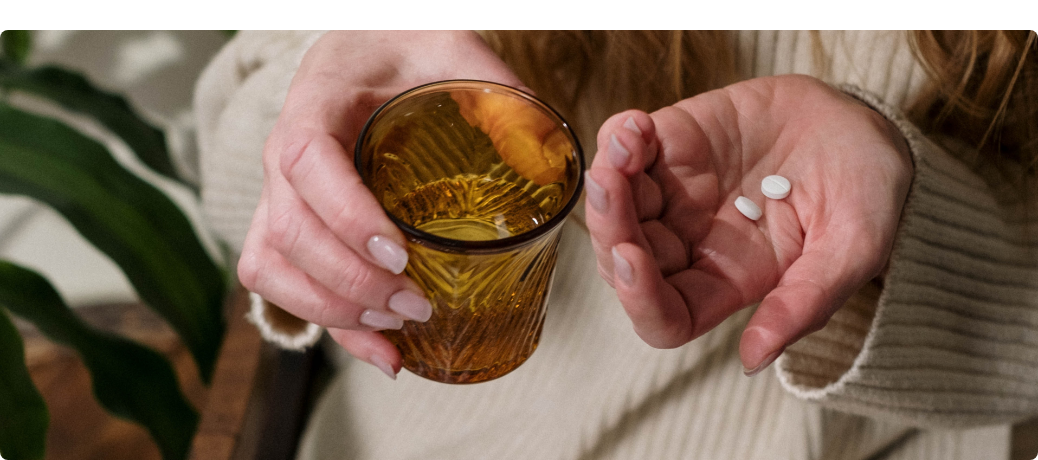
For iron-deficiency anemia, the fastest way to cure it is to start iron treatment promptly. You may feel better within a week, but hemoglobin usually takes weeks to recover. Take iron as directed, eat iron-rich foods with vitamin C, and have your blood count rechecked after 2 to 4 weeks. Continue iron for about 3 months after hemoglobin returns to normal to rebuild your iron stores and reduce the chance of anemia returning.
Although oral iron is usually the first choice, iron injection may be needed if tablets don’t work or aren’t tolerated. Blood transfusions are reserved for severe cases requiring urgent treatment.
If you’re taking iron and your symptoms are not improving, follow up with your doctor to check that your treatment is working. They will usually recheck your blood count after 2 to 4 weeks and investigate further if your hemoglobin isn’t rising.
An online doctor can review your symptoms and test results, arrange blood tests, prescribe iron when appropriate, and advise whether you need in-person care.
Get emergency care for chest pain, trouble breathing, fainting, vomiting blood, heavy rectal bleeding, or black, tarry stools that may indicate internal bleeding. Severe symptoms or the need for blood transfusion or endoscopy requires in-person care.
A ferritin below 30 ng/mL usually means low iron stores, and below 15 ng/mL means your stores are essentially empty. If your hemoglobin is also below 12 g/dL and you’re not pregnant, that meets the WHO definition of anemia. A serum iron below 37 mcg/dL is also low for women, but ferritin is the more reliable marker.
The best treatment for iron deficiency is to use external iron supplements to improve the body’s iron levels. Additionally, you can include iron-rich foods in your diet to increase your iron intake. It can take about 3-6 months for your hemoglobin to get to normal levels with iron supplements. Talk to a doctor at Your Doctors Online to get a telehealth prescription for iron deficiency.
Not safely without a blood test first. Tiredness and pale skin can come from other types of anemia, like vitamin B12 deficiency, which iron won’t fix. Self-treating can also hide a cause that needs attention, such as slow bleeding in the gut. Testing tells you whether iron is the problem, how low your stores are, and how long you’ll need treatment.
Low iron usually feels like tiredness that doesn’t match how much you’ve done, along with weakness, headaches, or dizziness. You may look paler than usual, feel short of breath on stairs, or have cold hands and feet. Mild deficiency can cause no symptoms at all, which is why a blood test is the only way to know.
Most people feel better after about a week of iron tablets. Hemoglobin rises by about 1 g/dL in 2 weeks and by about 2 g/dL by 4 weeks when treatment is working. Refilling your iron stores takes longer, so you’ll keep taking iron for about 3 months after your hemoglobin is back to normal.
Take the iron your doctor recommends consistently, ideally on an empty stomach, and keep tea, coffee, dairy, and antacids away from your dose. Add iron-rich foods, such as meat, poultry, and seafood to your diet. They consists of heme iron which absorbs better than iron from beans, spinach, fortified cereals, and dried fruits. Pairing plant iron with a food containing vitamin C also help absorb more iron.
Iron deficiency has many consequences but post-delivery, they become more serious as the baby's health is directly associated with the baby's health. Low iron can affect your mood, makes you irritable and at risk of postpartum depression. Fatigue due to iron deficiency also makes breastfeeding difficult.
Low iron while breastfeeding can leave you feeling exhausted, weak, or mentally foggy, and it may contribute to low mood or depressive symptoms. These effects can make it harder to manage daily tasks and care for your baby. However, low maternal iron usually has little effect on the iron content of breast milk, so the main concern is your own recovery and well-being. A doctor at Your Doctors Online can review your symptoms, check whether you need blood tests, and recommend iron supplements if appropriate.
How Our App Has
Helped Patients
Our 1 Million+ Patients Love Our Online Doctors 4.7 Rating With 16,000+ App Store Ratings Here Is What They Say


Talk to online doctors now and get medical advice, online prescriptions, refills, lab requisitions and medical notes within minutes. On-demand healthcare services at your fingertips.