Online Pregnancy Consultation
The pregnancy period is approximately nine months or around 40 weeks. It takes a long time for a fetus to stay in its mother’s womb. This time duration requires immediate and utmost attention and care for the baby and the mother. If you are pregnant, consult our doctors at Your Doctors Online for pregnancy care and treatment of any conditions a mother may suffer from.

- No waiting rooms, no appointments
- 24/7 online doctor consultations
- Fast and instant prescription refills
Trusted by millions for instant online care
Over 1 million Patients
5-star Doctor Ratings
4.5 Rating
5,000+ App Reviews
4.6 Rating
1k+ Trustpilot Reviews
How to book an online pregnancy consultation
Connect with a health care professional online in 3 easy steps.
Become a member
Download our app, register and tell us about your issues to get started.

Online pregnancy consultation
Connect with a board-certified doctor and discuss your pregnancy concerns.

Get personalized treatment
Depending on your health needs, the doctor may prescribe medications, lab tests, or refer you to an OB-GYN.
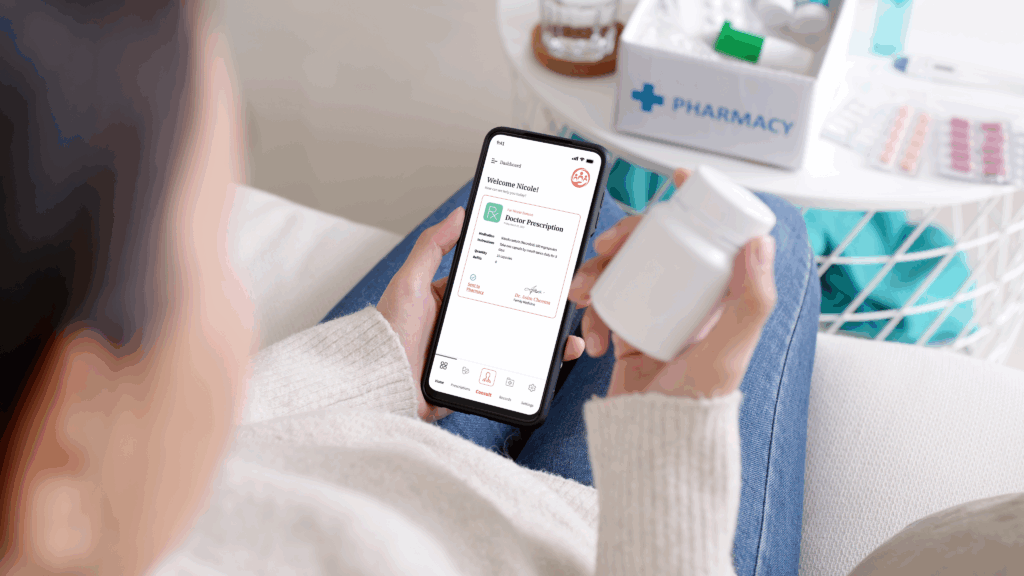
Why choose Your Doctors Online?
We are available 24/7 to serve you, so you don’t have to worry about any paperwork.
Personalized prenatal treatment plans
We evaluate your symptoms and provide treatment based on your condition.
Prescription issued within 5 minutes
The prescription is sent to the pharmacy within 30 minutes, so you can pick it up the same day.
Real-time tracking of your consult and prescriptions
Track your virtual doctor visit and prescription arrival status through our application.

What does an online pregnancy consultation cover?
An online pregnancy consultation lets you speak with a licensed doctor by chat, phone, or video. You can discuss your symptoms, medications, test results, and other pregnancy-related concerns from home and leave with a clear plan for what to do next.
What our doctors can help with
- Nausea and vomiting, including morning sickness that is not settling
- Heartburn, bloating, and constipation
- Urinary tract infections and yeast infections
- Tiredness, low iron, and other blood test results you want explained
- Whether a medicine you take is safe during pregnancy
- Prenatal vitamins and what to look for on the label
- Low mood, anxiety, and sleep problems
- Colds, coughs, and fevers
What you get from the visit
- An online prescription sent to your pharmacy when medically appropriate
- Lab requisitions for blood work and STI testing
- A doctor’s note for pregnancy-related leave
- Virtual counseling
- Fertility consultation and family planning advice
- General health screening
What medications are safe to prescribe during pregnancy?
There is no single list of medicines that is safe for every pregnancy. Safety can change depending on how far along you are, why you need the medicine, and your other health conditions. A doctor will consider those factors before prescribing anything.
- Pain and fever: Acetaminophen is commonly used during pregnancy, but the FDA label still advises checking with a healthcare professional before use.
- Anti-inflammatory painkillers: Ibuprofen and similar medicines are generally avoided from 20 weeks of pregnancy onward because they can affect amniotic fluid and the baby’s kidneys.
- Nausea and vomiting: Doxylamine and pyridoxine are approved for nausea and vomiting during pregnancy when diet and lifestyle measures are not enough.
- Infections: Penicillins and cephalosporins are commonly used during pregnancy. Nitrofurantoin is also often used for urinary infections, but may be avoided late in pregnancy.
- Yeast infections: Vaginal yeast infections are usually treated with a topical antifungal rather than antifungal tablets.
- Colds and allergies: Check with a healthcare professional before taking combination cold or allergy medicines because some ingredients are not recommended during pregnancy.
- Medicines you already take: Do not stop a prescription medicine on your own. Your doctor can review whether you should continue it, change the dose, or switch to a pregnancy-safe alternative.
- Medicines that are not recommended: Some acne medicines, certain blood pressure medicines, and weight-loss medications are not recommended during pregnancy. Tell your doctor about anything you are currently taking.
When in doubt, check a medicine before taking it rather than relying on the label alone.

When should you see a doctor or midwife in person?
Some aspects of pregnancy care require in-person care, and some symptoms require urgent medical attention. Online consultations can help with many questions, but they do not replace scans, blood tests, or routine midwife appointments. Book an in-person appointment for:
- Ultrasound scans
- Blood and urine tests, including blood pressure and weight checks
- Checking your baby’s heartbeat and measuring your bump
- Group B strep testing later in pregnancy
- Labor, delivery, and care around childbirth
Go to an emergency room or call 911 if you have:
- A headache that does not go away or keeps getting worse
- Changes in your vision
- A fever of 100.4°F (38°C) or higher
- Trouble breathing, chest pain, or a racing heart
- Severe belly pain that does not go away
- Severe nausea and vomiting that goes beyond typical morning sickness
- Your baby is moving less than usual or not moving at all
- Vaginal bleeding or fluid leaking
- Severe swelling of your hands or face
- Dizziness or fainting
- Swelling, redness, or pain in one leg
- Thoughts of harming yourself or your baby
Meet our licensed online doctors
Meet our licensed healthcare providers
Dr. Stotland Mitchell is a board-certified Occupational Medicine physician with 5+ years of experience. He provides virtual care across all U.S. states and D.C., blending allopathic medicine with public health insights. His approach focuses on rapid symptom relief and long-term prevention, often resulting in faster recovery and improved health outcomes for his patients.

Dr. Richard Honaker is a board-certified physician with more than 40 years of experience in family and emergency medicine. He serves as Chief Medical Advisor at Your Doctors Online and is affiliated with Medical City Plano in Texas. Recognized multiple times by D Magazine and Texas Monthly, Dr. Honaker provides evidence-based care across a wide range of conditions including diabetes, hypertension, and injury care.

Dr. Monique Rainford is an OB/GYN expert and Assistant Clinical Professor at Yale School of Medicine. With 25+ years of experience, she’s led OB/GYN departments at Yale Health and Baltimore Medical System. Her clinical interests include pregnancy, menstrual health, chronic pelvic conditions, and lifestyle medicine. Dr. Rainford advocates for maternal health equity, especially in underserved communities.

Dr. Candice Fraser is an OB/GYN practitioner and founder of Trinity Medical Care. With over a decade of experience, she focuses on reproductive care, menstrual health, and menopause management. Along with medical training and residency, she also holds an MBA in healthcare management, blending business insight with clinical excellence.
Dr. Danielle DonDiego is a double board-certified Family and Obesity Medicine physician, business mentor, and author of Self-Care Rx. She focuses on helping patients manage weight, improve nutrition, and adopt sustainable lifestyle changes. A graduate of the Virginia College of Osteopathic Medicine with an MBA from Virginia Tech, she combines her medical expertise with a passion for patient education and long-term wellness.
Dr. Amber Robins is a double board-certified Family and Lifestyle Medicine physician with a strong focus on women’s health, preventive care, and patient advocacy. She earned her MD from the University of Rochester and an MBA from LSU-Shreveport. A published author and media contributor, she blends clinical expertise with a passion for empowering patients to make informed health decisions.
Dr. Nina Carroll is a retired OB/GYN with decades of experience serving women in the U.S. and abroad. She specialized in menopause care, sexual health, and trauma-informed women’s health. Today, she continues her work through medical writing, focusing on sexual minority women’s health and care for survivors of trauma.
Dr. Nerissa Bauer is a behavioral pediatrician specializing in ADHD, parenting strategies, and mental health in children. A former academic and AAP spokesperson, she is the creator of the TEACH Me ADHD program, helping families better understand and manage ADHD. She brings warmth, creativity, and evidence-based guidance to her work with patients and parents.


Frequently asked questions about pregnancy
When should I start prenatal care?
As soon as you know you are pregnant. Most people have their first prenatal visit in the first trimester, and starting early gives a doctor time to check your health, go through any medicines you take, and pick things up while they are still easy to manage. If you have not booked anything yet, you can talk to a doctor at Your Doctors Online today and work out what to arrange first.
Do I still need a doctor if my pregnancy feels normal?
Yes. Much of what prenatal care picks up causes no symptoms at all, so feeling well is not the same as being in the clear. Blood pressure, iron levels, and blood sugar all get checked because you cannot feel them going wrong. It matters even more if you were living with diabetes or high blood pressure before you were pregnant. If you are not ready for an in-person appointment, an online visit is a reasonable place to start, and a doctor can tell you what to book next.
Which over-the-counter cold medications are safe during pregnancy?
Check with a doctor before you take anything, because most cold and flu products are combinations and it is often one ingredient in the box that is the problem. These are the ones usually discussed first:
- Acetaminophen for pain or fever
- Saline nasal spray for a blocked nose
- Plain or mentholated cough drops
- Vicks VapoRub, on the skin only
- Second-generation antihistamines such as loratadine or cetirizine for allergies
Ibuprofen and other anti-inflammatory painkillers are avoided from 20 weeks of pregnancy onward, and decongestants are worth checking before you use them. If you are not sure what is in the box, talk to a doctor and read the ingredients out.
What is the best medicine for constipation during pregnancy?
Safe options for constipation in pregnancy include fiber supplements like methylcellulose (Citrucel), psyllium (Metamucil), or polycarbophil (FiberCon). Staying hydrated and increasing fiber intake can also help. Talk to a doctor before starting any laxative or supplement.
Are antibiotics safe to take during pregnancy?
Some are. Which one depends on the infection and how far along you are. These are the ones doctors tend to reach for first:
- Penicillins, such as amoxicillin
- Cephalosporins, such as cephalexin and cefuroxime
- Macrolides, such as azithromycin and erythromycin
- Lincosamides, such as clindamycin
- Nitrofurantoin, for bladder infections, though it is not given at term or once labor is close
Never restart an antibiotic left over from before, and tell the doctor which trimester you are in.
How is a UTI treated during pregnancy?
With antibiotics, and it is worth treating even when it is not causing symptoms. A doctor picks one that suits your trimester. A nitrofurantoin (Macrobid) prescription is a common choice, though it is not used in the last few weeks before delivery. Our doctors can assess you online and send the prescription to the pharmacy you choose.
I’m pregnant and have a sore throat. What cold medicine can I take during pregnancy?
Sore throats during pregnancy can be treated with simple home remedies, such as warm salt water gargles, ginger, lemon, and honey teas, throat lozenges, and acetaminophen (Tylenol) for pain and fever after checking with a doctor. Antihistamines may help if allergies are causing a sore throat. For safe options, get a doctor’s prescription for cold and fever online!
What helps with low potassium during pregnancy?
Low potassium usually turns up as tiredness, weakness, or cramps, and it is often the result of a stretch of vomiting or diarrhea. Food is the first fix, so fruit, vegetables, beans, and dairy. Do not start a potassium supplement on your own, because too much causes its own problems. Ask a doctor whether a blood test is worth doing before you change anything.
Should I go to the doctor for a yeast infection while pregnant?
Yes, get it looked at rather than treating it blind, because several other things cause the same itch and discharge. A yeast infection is fungal, so it is treated with a topical antifungal rather than an antibiotic, and antifungal tablets are generally avoided in pregnancy. A doctor can confirm what it is and arrange treatment for yeast infections.
How is hyperemesis gravidarum treated in early pregnancy?
Hyperemesis gravidarum is not heavy morning sickness. It is vomiting bad enough to leave you dehydrated and losing weight, and it usually needs medical treatment rather than home remedies. Doctors treat it with fluids, anti-sickness medication, and sometimes a hospital stay. Doxylamine with pyridoxine is approved for nausea and vomiting in pregnancy, though the label says it has not been studied in hyperemesis gravidarum. Talk to a doctor early rather than waiting it out.
Can hyperemesis gravidarum affect my baby?
Most babies come through it fine. The risk comes from you being dehydrated and undernourished for a long stretch, which is why treating it early matters more than pushing through. Keeping fluids and calories in, with medical help when you cannot manage on your own, is the practical answer. If you are losing weight or cannot keep water down, that is a same-day problem rather than a wait-and-see one.