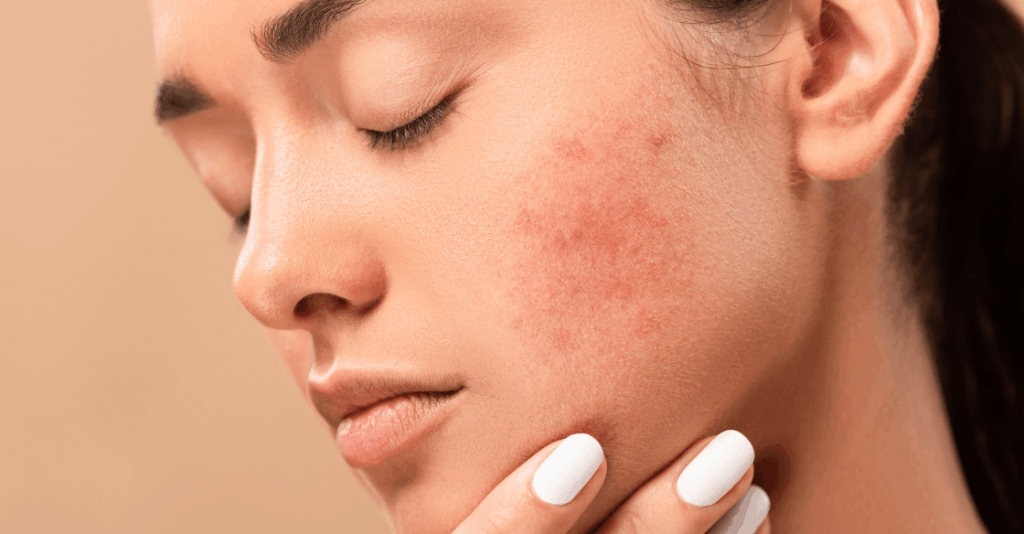
Doxycycline for acne is one of the most widely prescribed oral antibiotics for moderate-to-severe breakouts. The American Academy of Dermatology (AAD) guidelines recommend Doxycycline as a first-line oral antibiotic for acne, because the benefits clearly outweigh the risks for most patients. But how does it actually work? What’s the right doxycycline dose for acne? And how long should you take it?
This guide covers everything you need to know about doxycycline for acne, including dosage, duration, side effects, and how to get a prescription online through Your Doctors Online.
What Is Doxycycline?
Doxycycline is an antibiotic used to kill bacteria that cause moderate-to-severe inflammatory acne, including cystic acne, papules, pustules, and nodules. It is also an effective treatment for milder cases of acne when other topical treatments alone aren’t enough. Doxycycline is available as a generic and under brand names including Doryx, Acticlate, and Targadox
Doxycycline is also prescribed for other conditions beyond acne, including tooth infections, ear infections, and UTIs. Doxycycline is available in two salt forms: Doxycycline hyclate and Doxycycline monohydrate. Both deliver the same active drug and are good for acne. The main difference is that hyclate is more water-soluble and more commonly stocked at pharmacies, while monohydrate is gentler on the stomach.
How Does It Treat Acne?
Doxycycline fights acne in two ways, and that’s what makes it more effective than most topical treatments alone.
- It stops acne bacteria from growing.
Your skin pores naturally contain a bacterium called Cutibacterium acnes (C. acnes). When pores clog with oil and dead skin cells, C. acnes multiplies, causing red, swollen breakouts. Doxycycline enters bacterial cells and blocks the machinery they use to build proteins. Without new proteins, C. acnes can’t grow, repair itself, or multiply, shutting down its ability to function.
- It fights inflammation directly.
Doxycycline calms inflammation by suppressing the chemical signals that cause redness and swelling, and by blocking enzymes that break down skin tissue. With this anti-inflammatory effect, Doxycycline can help improve acne even at low doses.
Doxycycline Dosage for Acne
Most doctors prescribe Doxycycline 100mg for acne, taken once daily. Your doctor will start you on the lowest effective dose to minimize unnecessary disruption to your gut and the risk of antibiotic resistance. For most people, that looks like:
- Most common: 50–100 mg once daily
- Moderate-to-severe cases: 100 mg twice daily
Doxycycline comes in strengths ranging from 50 mg to 200 mg. The right Doxycycline dose for acne depends on the severity of your breakouts and how your body tolerates the medication.
Doxycycline Hyclate vs. Monohydrate
Both Doxycycline hyclate and Doxycycline monohydrate are FDA-approved forms prescribed for the treatment of acne. The difference is in their formulation:
| Feature | Doxycycline Hyclate | Doxycycline Monohydrate |
| Water solubility | Highly soluble | Slightly soluble |
| GI side effects | More common (nausea, esophageal irritation) | Generally gentler on the stomach |
| Available forms | Capsules, tablets, delayed-release, injection | Capsules, tablets, oral suspension |
| Common brands | Doryx, Doryx MPC, Acticlate, Targadox | Okebo, Mondoxyne NL |
| Effectiveness | Equivalent | Equivalent |
How Long Does Doxycycline Take to Work for Acne?
Doxycycline will start improving your acne within the first few weeks, but it can take 8 to 12 weeks before you see a visible difference in your skin. Here’s a realistic timeline for how long Doxycycline takes to work for acne:
- Weeks 1–2: Inflammation starts to decrease, as a result of which you may notice less redness and fewer new breakouts forming.
- Weeks 2–4: Existing pimples begin to heal more quickly.
- Weeks 8–12: You will notice a 50–70% reduction in inflammatory acne lesions at this point.
If you don’t see any improvement after 6–8 weeks, talk to your doctor. It may mean you need a dosage adjustment, a different antibiotic, or a change in your topical regimen.
Does Doxycycline Cause Purging?
No, Doxycycline does not cause purging. If your skin gets worse in the first few weeks of treatment, the topical retinoid prescribed alongside it (like Adapalene or Tretinoin) is almost always the cause, not the Doxycycline.
Retinoids speed up skin cell turnover, which pushes clogged pores and hidden breakouts to the surface faster than they would on their own. This looks like a flare-up, but it’s actually your skin clearing out debris. Whereas Doxycycline reduces inflammation without accelerating cell turnover, so it doesn’t cause purging.
That said, some people notice a mild initial breakout as bacteria die off and release inflammatory byproducts. It is not purging, but a short-lived reaction that settles within 2-4 weeks.
Connect with a doctor without booking a prior appointment.
Get a diagnosis for acne and receive your prescription in minutes.
Talk to a virtual doctor, describe your symptoms, upload photos of your skin, and get an online Doxycycline prescription sent to your preferred pharmacy in minutes.
Skip the weeks of waiting for a family doctor. Chat with a licensed Canadian physician and get your online prescription sent to any pharmacy in Canada.
How Long Can You Take Doxycycline for Acne?
As Doxycycline can clear most of your acne by week 12, it is important not to take the medication longer than what is prescribed. The 2024 AAD guidelines and a 2025 expert consensus panel published in the Journal of Clinical and Aesthetic Dermatology suggest that Doxycycline should be taken for 3-4 months, depending on your needs. The long-term use can:
- Promote antibiotic-resistant bacteria on your skin and in your gut
- Alter your gut microbiome, potentially leading to digestive issues
- Increase the risk of yeast infections
How to Take Doxycycline for Acne?
How you take doxycycline matters almost as much as the dose itself. Follow these guidelines to maximize effectiveness and minimize side effects:
- Take it with a full glass of water. This helps the pill reach your stomach and reduces the risk of esophageal irritation (a painful, burning sensation in your chest).
- Stay upright for at least 30 minutes after swallowing. Don’t lie down or go to bed right after taking your dose.
- Take it with food. While some antibiotics need an empty stomach, Doxycycline can be taken with food to reduce nausea. Avoid dairy products within 2 hours of your dose, as calcium can reduce absorption.
- Avoid dairy products, antacids, and iron supplements within 2 hours of your dose, as they can bind to Doxycycline and reduce its absorption.
- Take it regularly at the same time every day because consistency helps maintain steady drug levels in your system.
Common Side Effects of Doxycycline for Acne
Doxycycline is generally well-tolerated, and most side effects are mild. Here are the most common ones:
- Nausea and upset stomach (more common with hyclate form)
- Diarrhea
- Sun sensitivity
- Burning chest pain if the pill doesn’t reach your stomach
- Vaginal yeast infections
Less common but serious side effects:
- Severe headache or vision changes (possible sign of intracranial hypertension
- Severe diarrhea (possible C. difficile infection)
- Skin rash, hives, or difficulty breathing (allergic reaction)
- Yellowing of skin or eyes
Who should NOT take Doxycycline:
- Pregnant or breastfeeding individuals
- Children under 8 years old (risk of permanent teeth staining and enamel issues)
- Anyone with a known allergy to tetracycline-class antibiotics
What Happens After You Stop Doxycycline?
Acne can return after stopping Doxycycline if you don’t have a maintenance plan in place. The antibiotic controls inflammation while you’re taking it, but those factors don’t disappear permanently. Here’s what the research tells us:
- Taking a topical retinoid + benzoyl peroxide helps maintain better results than completely stopping the treatment
- The risk of a relapse is 50% when stopping both oral and topical treatment
That’s why it is important to have a maintenance plan when you are stopping Doxycycline. This may include:
- A topical retinoid (Adapalene, Tretinoin, or Tazarotene) to prevent pore clogging
- Benzoyl peroxide to keep bacteria suppressed without promoting antibiotic resistance
- A gentle, non-comedogenic skincare routine
- Follow up with your doctor to adjust treatment if breakouts return
How Much Does Doxycycline for Acne Cost?
Without insurance, a month’s supply of generic Doxycycline Hyclate 100 mg costs as little as $4–$7 with a discount coupon, compared to the average retail price of $50–$97.
For a typical 3-month acne course, you’re looking at roughly $15–$45 total out of pocket for the generic, which makes it cheaper than brand-name alternatives like Doryx ($125+/month retail) or newer antibiotics like Sarecycline.
Doxycycline vs. Other Acne Treatments
Doxycycline isn’t the only option for treating acne, and depending on the type, severity, and underlying cause of your breakouts, your doctor may recommend a different approach or combine doxycycline with another treatment. Other commonly prescribed acne treatments include Minocycline, Sarecycline, Spironolactone, and Isotretinoin. Here’s a side-by-side comparison:
| Feature | Doxycycline | Minocycline | Sarecycline | Spironolactone | Isotretinoin (Accutane) |
| Drug class | Tetracycline antibiotic | Tetracycline antibiotic | Tetracycline antibiotic | Antiandrogen | Retinoid |
| AAD recommendation | Strong | Conditional | Conditional | Conditional | Strong (severe acne) |
| Typical dose | 50–100 mg/day | 50–100 mg/day | 60–150 mg/day | 50–200 mg/day | 0.5–1 mg/kg/day |
| How it works | Kills bacteria + anti-inflammatory | Kills bacteria + anti-inflammatory | Targets acne-causing bacteria | Blocks hormones that trigger oil production | Shrinks oil glands, reduces bacteria |
| Duration | 3–4 months | 3–4 months | 3–4 months | Long-term | 4–6 months (usually one course) |
| Common side effects | Sun sensitivity, nausea | Dizziness, skin pigmentation | GI upset | Potassium changes, irregular periods | Dry skin, and birth defect risk |
| Best for | Moderate-severe inflammatory acne | Moderate-severe acne (if doxy not tolerated) | Moderate inflammatory acne | Hormonal acne in women | Severe, scarring, or treatment-resistant acne |
| Available via telehealth? | Yes | Yes | Yes | Yes | Limited. Might require Ipledge |
Each works through a different mechanism and comes with its own tradeoffs in terms of effectiveness, side effects, and duration. Your doctor can help you with the right acne treatment plan.
How to Get a Doxycycline Prescription Online for Acne?
You don’t need to wait weeks for a dermatology appointment before you can start treating your acne. Doxycycline requires a prescription, which you can get from a licensed telehealth provider. With Your Doctors Online, you can get an online prescription for Doxycycline in minutes. Here’s how it works:
- Download our telehealth app, create an account, and describe your symptoms.
- You will be connected with a licensed U.S. doctor 24/7 who will evaluate your symptoms, history, and any treatments you’ve tried. You can upload photos of your skin.
- If medically appropriate, your doctor will send the prescription directly to your preferred pharmacy.
Frequently Asked Questions
Does Doxycycline work for hormonal acne?
Doxycycline can reduce the inflammation and bacterial component of hormonal acne, but it doesn’t address the underlying hormonal imbalance. For hormonal acne, presenting as deep breakouts along the jawline and chin in adult women, your doctor may recommend combining Doxycycline with an Antiandrogen like spironolactone or an oral contraceptive pill for more complete control.
Can I drink alcohol while taking Doxycycline?
There’s no direct negative interaction between alcohol and Doxycycline, but alcohol can worsen nausea, stomach irritation, and headache associated with the side effects of Doxycycline. Heavy alcohol use can also affect how your liver processes the medication. It is better to limit alcohol intake while on Doxycycline and avoid drinking around the time you take your dose.
Does acne come back after stopping Doxycycline?
It can if you stop all treatment at once. If you transition to a topical maintenance regimen (retinoid + benzoyl peroxide) after completing your Doxycycline course, you’re far less likely to relapse than if you discontinue everything. Continuing topical therapy after Doxycycline can reduce total lesion counts by up to 76% over nine months, compared to just 47% if you stop everything after the antibiotic course.
Is Doxycycline or Minocycline better for acne?
Both are effective tetracycline antibiotics, but the AAD gives Doxycycline a stronger recommendation based on the overall evidence profile. Doxycycline has a lower risk of vestibular side effects (dizziness, vertigo). With Minocycline, the risk of serious complications like drug-induced lupus and skin pigmentation is higher. However, you may be prescribed Minocycline if your body does not tolerate Doxycycline well.
Can I take Doxycycline for acne long-term?
It is important to limit Doxycycline use to 3–4 months to reduce the risk of antibiotic resistance. If your acne requires ongoing management beyond 3–4 months, your doctor will likely transition you to non-antibiotic maintenance treatments.
Is Doxycycline good for acne?
Yes, it’s AAD-recommended as a first-line oral antibiotic, but it works best for inflammatory acne (papules, pustules, nodules) combined with topical therapy.
Does Doxycycline cause an acne purge?
No, Doxycycline does not cause purging. Purging is much more common with topical retinoids (like Adapalene or Tretinoin), which are often prescribed alongside Doxycycline. So if you notice a flare-up in the first few weeks, the retinoid is the more likely cause, not the Doxycycline itself. Some people do experience a mild initial breakout as bacteria die off and release inflammatory byproducts, but this usually settles within 2–4 weeks. If your acne gets significantly worse rather than gradually better, let your doctor know.
What medications should I avoid while taking Doxycycline?
Always let your doctor know about everything you’re taking, including supplements and over-the-counter products. Here are the most important ones to watch for:
- Blood thinners like warfarin (Coumadin)
- Penicillin-type antibiotics like Amoxicillin
- Seizure medications like phenytoin or carbamazepine
- Accutane (isotretinoin)
- Antacids, iron, calcium, and magnesium supplements