Overview
The painful condition of shingles in the eye, caused by the varicella-zoster virus, is characterized by blisters, swelling, and redness in the area of the eye. It can happen after chickenpox when the latent virus reawakens in the nerves. If caught early enough, antiviral medication and possibly steroids can lessen the blow and save the eyes from permanent damage. This blog provides an in-depth look at the symptoms of shingles in the eye, its causes, and treatment options.
What are Ocular Shingles?
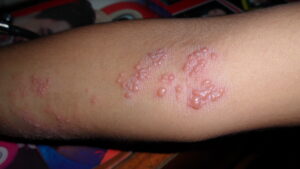
Ocular shingles, also known as herpes zoster ophthalmicus (HZO), is a viral infection caused by the varicella-zoster virus—the same virus responsible for chickenpox and shingles. Reactivation of the virus can impact the trigeminal nerve’s ophthalmic branch, which provides feeling to the eye, eyelids, and forehead. The itchy rash surrounding the eyes is the primary symptom of ocular shingles, which can also cause swelling, redness, itching, and in more severe cases, blindness or other visual problems.
Ocular shingles treatment varies based on the specific eye involvement and may include steroids alongside antiviral drugs. Steroids, if used, are tapered slowly over months to years to prevent complications. Shingles can lead to postherpetic neuralgia (PHN), resulting in chronic skin sensitivity or pain that may require medication for relief if it persists beyond several months.
How do you know if you have shingles in your eye?
If you suspect you have shingles in your eye, be vigilant for several distinct symptoms.
Initial Symptoms of Ocular Herpes Zoster:
- Tingling or burning sensation on the scalp, forehead, or cheeks.
- Development of a painful rash on one side of the face, extending to the scalp, forehead, and around the eye.
Progressive Symptoms (When the eye is affected):
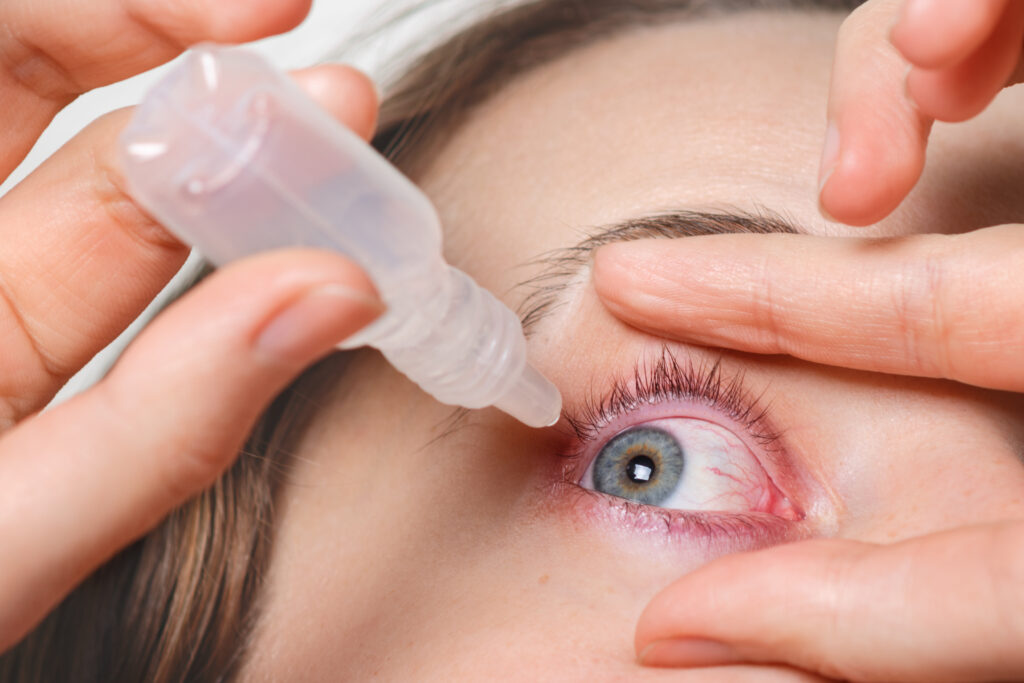
- Redness in the eye.
- The sensation of foreign matter in the eye.
- Heightened sensitivity to light.
- Pain in the eye.
- Discharge from the eye.
- Varying degrees of vision impairment.
Additional Symptoms of Ocular Shingles:
- The rash may emerge on the eyelids, forehead, or nose simultaneously with the skin rash or appear weeks later.
- Burning or throbbing eye pain.
- Increased tearing.
- Eye irritation.
- Blurred vision.
- Extreme sensitivity to light.
- Swelling in the eyelid, retina, or cornea.
Prompt medical attention is imperative upon experiencing any of these symptoms to mitigate the risk of potential long-term complications.
How did I get shingles in my eye?
If you have had chickenpox, you can develop shingles in your eye later on. The chickenpox virus lives in the nerves even after you have healed from it and manifests as Herpes Zoster Ophthalmicus when it reaches the eye. Various symptoms, including a painful and notorious shingles rash around the eye region, accompany shingles.
When does shingles pain peak?
Shingles typically peaks in pain intensity around 4 or 5 days after the initial symptoms appear, often accompanied by a blistering rash. This viral infection causes persistent pain and itching, which typically lasts for approximately 3 to 5 weeks. Early recognition and medical intervention are crucial for effective management and symptom relief.
What are the risk factors for shingles in the eye?
The risk factors for shingles in the eyes include stress, a weakened immune system, and age. The risk of getting shingles can also be raised by taking certain medications. Corticosteroids and anti-tumor necrosis factor (TNF) drugs are two examples of immunosuppressants that may be included in this category. However, it is essential to note that generally, there are no specific medications that can trigger shingles in your eyes.
What is the best treatment for shingles in the eye?
The best treatment for Herpes Zoster Ophthalmicus (HZO) virus is an antiviral medication. Some antiviral drugs that are frequently recommended upon diagnosis of shingles in the eyes include Famvir (Famciclovir), Valacyclovir (Valtrex), and Acyclovir (Zovirax).
These antiviral medications help you recover from the viral infection and its severe effects on your eyes and the surrounding area. If you receive proper treatment within three days of infection, you can heal quickly without significant impact on your eyes.
Your doctor may also recommend a steroid medication, such as a pill or eye drops, to reduce eye swelling. In some cases, postherpetic neuralgia develops as a complication of shingles. Pain medication and antidepressants help relieve the pain.
How to prevent eye shingles?
Take into consideration the following preventive actions to lower your risk of having herpes zoster ophthalmicus, or shingles in the eye:
Vaccination:
The shingles vaccine, also known as the herpes zoster vaccine, is highly effective in reducing the risk of shingles and its complications, including ocular involvement. The CDC recommends the Shingrix vaccine for adults aged 50 and older.
Maintain a Healthy Immune System:
Maintaining a healthy diet, engaging in regular exercise, managing stress levels, and getting sufficient sleep will all help strengthen your immune system. A strong immune system can help prevent the varicella-zoster virus from reactivating.
Avoid Close Contact with Individuals with Active Shingles:
The varicella-zoster virus, which causes shingles, can be spread by direct touch with an individual experiencing the rash. Steer clear of people close to someone who has shingles, particularly if you haven’t had the shingles vaccine or chickenpox.
Avoid Touching Your Eyes:
Keep your hands away from your eyes to prevent the introduction of bacteria or viruses, such as the varicella-zoster virus, which can cause shingles.
Protect Your Eyes from Injury:
Wear protective eyewear when engaging in activities that increase your risk of eye injury, such as playing sports or handling hazardous materials. Injuries to the eye can compromise the eye’s defenses and raise the possibility of viral infections, such as shingles.
Maintain Good Eye Hygiene:
Wash your face and eyelids with gentle soap and water frequently to keep your eyes clear and free of allergens. Refrain from over-rubbing your eyes, as this may irritate them and potentially introduce germs.
Practice Good Hygiene:
Please wash your hands frequently with soap and water, especially after coming into contact with individuals who have shingles or their belongings.
Manage Stress:
Prolonged stress might impair immunity, increasing your risk of developing shingles. Engage in stress-relieving activities such as yoga, meditation, deep breathing, and spending time outdoors.
How long do shingles in the eye last?
Ocular shingles, or shingles in the eye, can last for varying lengths of time, depending on the severity of the infection, the speed of treatment, and each person’s individual immune system. Shingles in the eye usually persists for a few weeks to a month or longer. However, the pain and discomfort associated with the condition may continue even after the rash has healed, a condition previously mentioned known as postherpetic neuralgia (PHN).
Consult a doctor
It is necessary to seek immediate medical attention if you suspect shingles in your eyes. The drastic and long-term effects of shingles on your eyes can be prevented if you receive a prompt diagnosis and start treatment immediately. Symptoms such as a shingles rash, redness, swelling, and pain on one side of the nose or forehead should not be taken lightly, and you should consult a doctor immediately.
FAQs about shingles in your eye
Shingles in the eye actually comes from the varicella-zoster virus, not the chickenpox virus, but it is not contagious, unlike chickenpox. You cannot pass shingles in the eyes to anyone else. Still, you can pass the Herpes Zoster virus to someone who has never had Chickenpox, and they may develop chickenpox due to Herpes Zoster Ophthalmicus (HZO).
No, the shingles in the eye do not directly affect the brain; however, they can cause peripheral motor neuropathy or postherpetic neuralgia.