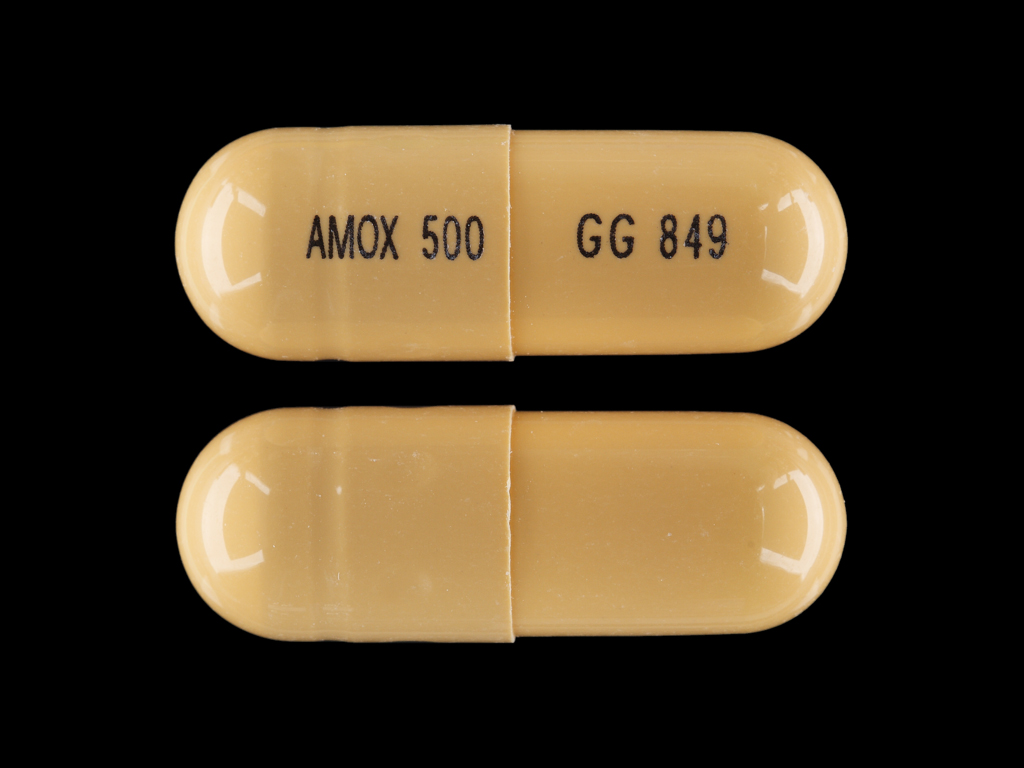
You have an amoxicillin prescription in hand and a real question: how exactly do you take amoxicillin 500mg correctly so it works? Getting the timing, dose, and duration right is not just about following instructions on a bottle. Antibiotic misuse, including stopping early or spacing doses incorrectly, is one of the main drivers of antibiotic resistant infections, which now cause 2.8 million infections annually in the U.S. Understanding how to take amoxicillin 500mg properly, from timing to food to missed doses, protects both your recovery and your ability to fight future infections.
How Much Amoxicillin 500mg Should You Take?
Most adults prescribed amoxicillin 500mg take one 500mg dose every 8 hours, which means amoxicillin 500mg 3 times a day. Your doctor may alternatively prescribe 875mg every 12 hours, depending on the infection type and severity. Getting your amoxicillin dosage right starts with knowing which infection you are treating, since the standard adult dose varies by condition:
| Infection Type | Typical Dose | Frequency | Duration |
|---|---|---|---|
| Ear, nose, throat infections | 500mg | Every 8 hours | 7 to 10 days |
| Urinary tract infections | 500mg or 875 mg | Every 12 hours | 5 to 7 days |
| Lower respiratory infections | 500mg | Every 8 hours | 7 to 10 days |
| Strep throat | 500mg | Twice Daily | 10 days |
| Skin infections | 500mg | Every 8 hours | 5 to 14 days |
| H. pylori (part of triple therapy) | 1,000mg (two 500mg tablets) | Every 12 or 8 hours | 14 days |
These are standard adult doses for patients weighing 40kg or more. Your doctor may adjust based on kidney function, age, or severity.
Amoxicillin is FDA Approved for Bacterial Infections
It is one of the most prescribed antibiotics in primary care
“Connect with an online doctor today to instantly receive a prescription or refill for amoxicillin.”
“Connect with a Canadian-licensed online doctor today to get an online prescription or refill for amoxicillin.”
When and How to Take Each Dose
Space your doses as evenly throughout the day as possible. For a three times daily schedule, a reliable pattern is 7:00 AM, 3:00 PM, and 11:00 PM, or 8:00 AM, 4:00 PM, and midnight. Knowing how often to take amoxicillin matters more than hitting the exact clock time. What matters is consistent spacing, roughly every 8 hours, so amoxicillin maintains an active level in your bloodstream between doses.
Amoxicillin is stable in stomach acid and is absorbed whether you eat or not. That said, taking it with food reduces nausea in people who find amoxicillin hard on the stomach. There is no absorption penalty for eating first, which answers one of the most common questions people ask: can you take amoxicillin on an empty stomach? Yes, it works just as well either way.
Swallow capsules and tablets whole with a full glass of water. Do not crush or chew them. If you are taking a liquid suspension, shake the bottle well before each dose to distribute the medication evenly.
How Long to Take Amoxicillin 500mg
Most adult courses run 7 to 10 days. Strep throat specifically requires the full 10 days to prevent complications such as rheumatic fever. Ear and sinus infections may clear in 5 to 7 days, depending on your doctor’s assessment.
Do not stop the course early because you feel better. The WHO advises patients to take antibiotics exactly as prescribed by their doctor, because feeling better does not confirm the bacteria are fully cleared. Stopping early raises the risk of relapse or incomplete treatment.
If you are near the end of a course and it needs to be reevaluated or refilled, a licensed doctor can review your symptoms and provide an amoxicillin prescription online without an in person visit.
What to Do if You Miss a Dose
Take the missed dose as soon as you remember. If it is within 2 to 4 hours of your next scheduled dose, skip the missed dose entirely and continue on your regular schedule. Never take a double dose to compensate. Doubling up does not speed recovery and increases your risk of side effects.
Setting phone alarms at each dosing time is the most reliable way to stay on schedule for the full duration of your course.
What Infections Does Amoxicillin 500mg Treat?
Amoxicillin is FDA approved for bacterial infections caused by susceptible organisms, specifically those that are beta lactamase negative. It is one of the most prescribed antibiotics in primary care.
Strep throat and tonsillitis: The CDC identifies amoxicillin as the antibiotic of choice for group A strep pharyngitis. No clinical isolate of group A strep has ever been found resistant to amoxicillin or penicillin, which is part of why it remains the right antibiotic for strep throat in most patients.
Ear infections: Amoxicillin is commonly a first line choice for acute bacterial ear infections in adults.
Sinus infections: Amoxicillin treats acute bacterial sinusitis caused by beta lactamase negative strains of Streptococcus and H. influenzae. Dosing for amoxicillin 500mg for sinus infection can run slightly longer than other infections depending on severity.
Urinary tract infections: Amoxicillin treats UTIs caused by E. coli, P. mirabilis, and E. faecalis, though IDSA notes higher E. coli resistance rates mean it is not always the preferred first line choice for UTIs. Your doctor will determine whether amoxicillin 500mg for uti is appropriate for your specific case.
Pneumonia: Amoxicillin is recommended as a standalone first line option (alongside doxycycline or a macrolide) for outpatients without comorbidities. Combination therapy is the recommendation for outpatients with comorbidities, and even then, the beta lactam antibiotic used in combination is typically amoxicillin/clavulanate or a cephalosporin, not plain amoxicillin. Also note the CAP dose of amoxicillin is 1 g three times daily.
Dental infections and skin infections: Amoxicillin is used for odontogenic infections and skin structure infections caused by susceptible Streptococcus and Staphylococcus species. The course length for amoxicillin 500mg for tooth infection typically runs 5 to 7 days for an uncomplicated dental abscess.
H. pylori (stomach ulcers): In dual or triple therapy protocols, amoxicillin is prescribed alongside other medications, including clarithromycin and lansoprazole, to eradicate H. pylori and heal duodenal ulcers. Amoxicillin is not the standard treatment for chlamydia, since azithromycin and doxycycline are usually preferred, but can amoxicillin treat chlamydia explains the exception doctors sometimes make during pregnancy.
Drug Interactions to Tell Your Doctor About
Amoxicillin has a small number of clinically significant interactions. Disclosing your full medication list before starting any antibiotic is not optional.
Warfarin: Amoxicillin increases warfarin’s blood thinning effect. Warfarin’s INR can rise substantially during an amoxicillin course, raising bleeding risk. If you take warfarin, your doctor will likely monitor your INR more frequently during treatment.
Methotrexate: Amoxicillin reduces kidney clearance of methotrexate, leading to higher methotrexate concentrations in the blood. This can cause serious toxicity, including bone marrow suppression. Patients on methotrexate for rheumatoid arthritis, psoriasis, or cancer treatment need their doctor to review antibiotic choices carefully.
Bacteriostatic antibiotics (tetracyclines, doxycycline): Amoxicillin is bactericidal, meaning it kills bacteria directly. Tetracyclines and doxycycline slow bacterial growth without killing. Combining both can reduce amoxicillin’s effectiveness because it works best when bacteria are actively dividing.
Oral contraceptives: A theoretical interaction exists between antibiotics and estrogen based birth control, though clinical evidence for a significant reduction in contraceptive efficacy with amoxicillin is limited. Discuss backup contraception with your prescriber if you have concerns.
Probenecid: This gout medication reduces kidney clearance of amoxicillin, increasing amoxicillin blood levels. This interaction is sometimes used intentionally by doctors to prolong amoxicillin activity, but it requires medical supervision.
Always give your doctor and pharmacist a complete medication list before starting amoxicillin.
Side Effects of Amoxicillin 500mg
Common side effects affect more than 1% of patients and include nausea, vomiting, diarrhea, and rash. These are usually mild and resolve after completing the course. Taking amoxicillin with food reduces gastrointestinal discomfort for most people.
Stop taking amoxicillin and seek immediate medical attention if you develop any of the following:
- Hives, difficulty breathing, or swelling of the face or throat (signs of allergic reaction)
- Severe skin reactions: blistering, peeling, a widespread red or purple rash, or fever with skin pain
- Racing heart, fever, or swollen lymph nodes (possible signs of DRESS, a rare multiorgan hypersensitivity reaction)
- Severe or bloody diarrhea persisting beyond the course (possible C. difficile colitis)
Amoxicillin is contraindicated in patients with a history of serious hypersensitivity reactions to penicillin or cephalosporin antibiotics. If you have had a reaction to penicillin before, tell your doctor before any prescription is written.
Diarrhea is the most common side effect. It occurs because amoxicillin disrupts the gut’s normal bacterial population alongside the target infection. Mild diarrhea is typically not a reason to stop the course. Severe, persistent, or bloody diarrhea requires medical evaluation.
How to Store Amoxicillin 500mg
Store amoxicillin tablets and capsules at room temperature, between 68 and 77 degrees Fahrenheit (20 to 25 degrees Celsius). Keep them out of humid environments such as bathrooms, where moisture degrades the drug.
Liquid amoxicillin suspension must be refrigerated after mixing and used within 14 days. Discard any unused liquid after this window.
Dispose of unused tablets or capsules after the expiration date. Do not save leftover antibiotics from a previous course to treat a future infection on your own. Taking amoxicillin for an infection it cannot treat, or at a dose your doctor did not determine is appropriate, contributes to resistance and risks to your health.
Frequently Asked Questions
Yes. Amoxicillin can be taken with or without food. There is no significant effect on absorption either way. Taking it with food reduces nausea for people who find the medication upsets their stomach. There are no specific foods to avoid during an amoxicillin course, though avoiding heavy alcohol consumption is sensible because alcohol impairs immune recovery.
Most adult courses run 7 to 10 days. Strep throat requires the full 10 days to prevent complications. Shorter courses of 5 to 7 days may be prescribed for some ear or sinus infections. Your amoxicillin 500mg dosage and course length depend on the specific infection and the bacteria involved, so always follow your doctor’s prescribed duration rather than stopping once you feel better.
Take the missed dose as soon as you remember. If your next dose is within 2 to 4 hours, skip the missed dose and continue your regular schedule. Never double up on doses. Consistent spacing matters more than perfection; one missed dose will not typically compromise the course, but repeated missed doses reduce effectiveness.
No. Amoxicillin is only effective against bacterial infections. Viral infections, including the common cold, influenza, and COVID-19, do not respond to any antibiotic. Using amoxicillin for a viral infection provides no benefit and contributes to antibiotic resistance by exposing bacteria in your body to the drug unnecessarily.
Amoxicillin is generally considered one of the safer antibiotics during pregnancy and is classified as FDA Pregnancy Category B, meaning animal studies have not shown fetal risk. However, all medications during pregnancy require physician oversight. A doctor should assess your specific situation before prescribing any antibiotic during pregnancy.
There is no direct pharmacological interaction between amoxicillin and alcohol that renders the antibiotic ineffective. However, heavy alcohol consumption weakens the immune response and can increase dehydration and fatigue, making it harder for your body to recover from an infection. Moderate or no alcohol is advisable during a bacterial infection and its treatment.