Online Pink Eye (Conjunctivitis) Treatment
If you wake up with a red, watery eye and are unsure whether it will clear on its own or needs antibiotic drops, a board-certified doctor can review your symptoms and photos, then send a prescription to your chosen pharmacy when medically appropriate.
How to get pink eye treatment online
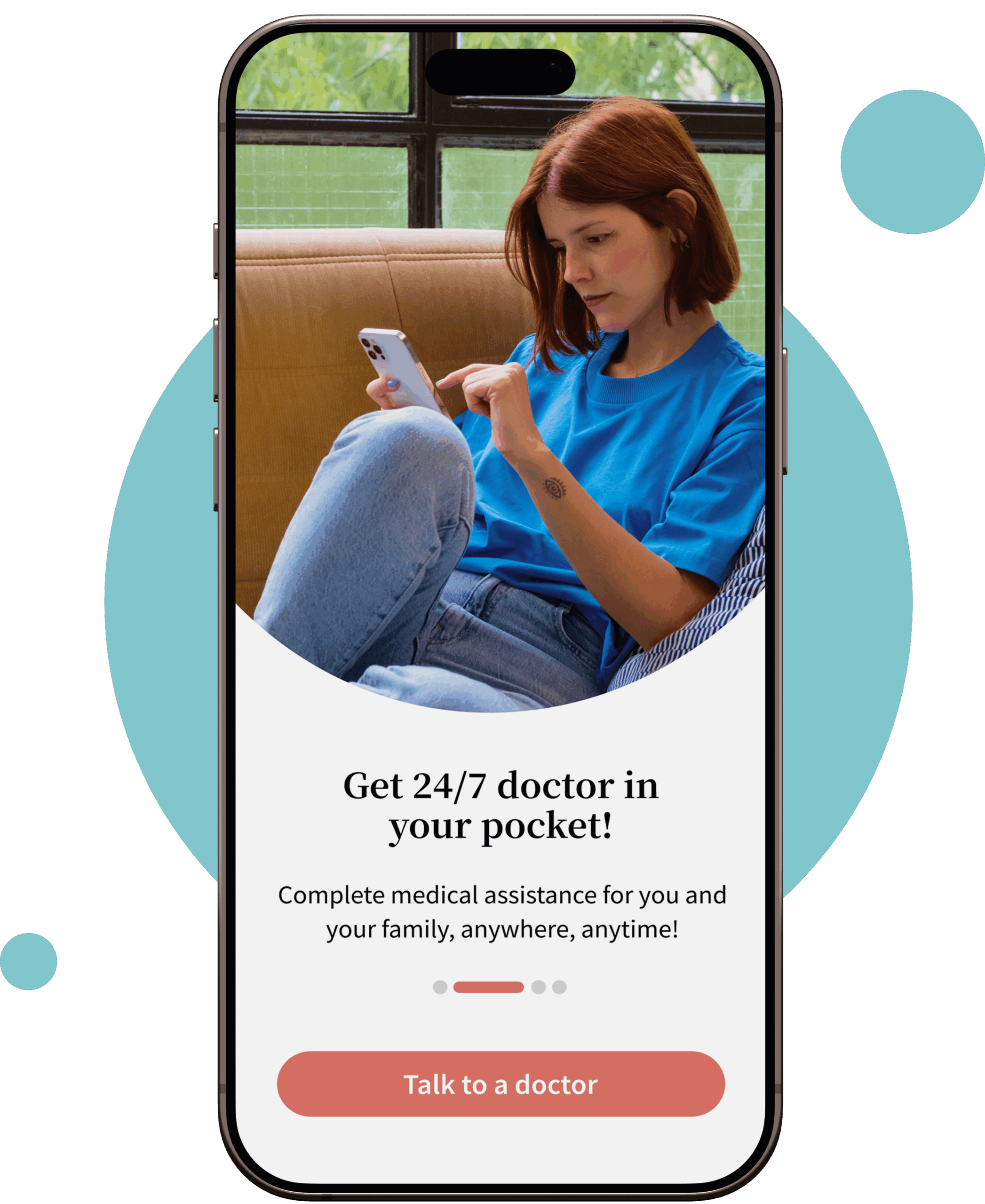
Connect with a health care professional online in 3 easy steps.
Describe your issue
Download our app, register and tell us about your medical issue to get started.
- Conjunctivitis
- Anemia
- STD
- UTI
- Skin
- Covid
Chat with a doctor
Connect with a board-certified doctor. You can chat, send pictures and videos.
Hi Dr. Nicole, I have redness and itching in the eye. What should I do?

Get prescription
Our Online doctors can help you with your medical issues and give you prescriptions.
Prescription
- Erythromycin Ophthalmic Ointment 0.5%
- Apply 1cm ointment six times a day for five days
Send Prescription
What are the treatment options for pink eye?
Treatment depends on what is causing the pink eye. Most cases do not need antibiotics. Here is what your treatment may include:
- Viral pink eye: Antibiotics do not work. It usually clears within 7 to 14 days. Cool compresses and artificial tears can help with irritation.
- Bacterial pink eye: Mild cases may clear within a few days without treatment. A doctor may prescribe antibiotic eye drops or ointment when appropriate.
- Allergic pink eye: It is not an infection or contagious. Avoiding the trigger and using antihistamine eye drops such as ketotifen or olopatadine can help relieve itching.
- If you wear contact lenses: Remove your lenses and get medical advice promptly, as contact lens-related bacterial infections have a higher risk of affecting the cornea.
When do you need antibiotic eye drops for pink eye?
Antibiotic eye drops are used for bacterial pink eye, not viral or allergic pink eye. Thick yellow, white, or green discharge that keeps coming back during the day, along with crusting around the eyelids, can be a sign of a bacterial infection.
Antibiotics are not always needed. Mild bacterial pink eye can clear on its own, so a doctor may recommend drops only when medically appropriate.
When antibiotic drops are appropriate, a doctor at Your Doctors Online can prescribe them.
Antibiotic eye drops
Learn More
Antibiotic eye ointment
Learn More What is pink eye and what causes it?
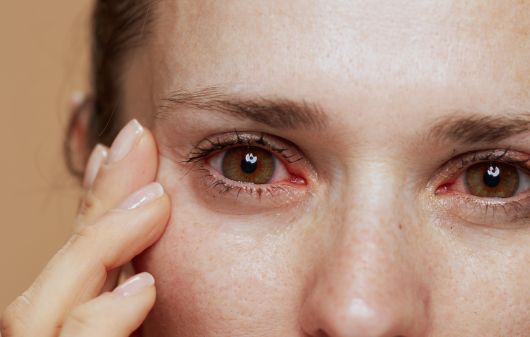
Pink eye is inflammation of the conjunctiva, the thin, clear layer covering the white of your eye and lining the inside of your eyelid. When it becomes irritated or infected, the small blood vessels in it become more visible, making the eye look pink or red.
Pink eye can be caused by:
- Viruses: The most common cause and highly contagious.
- Bacteria: Can cause an infection that may need antibiotic eye drops.
- Allergies: Triggers include pollen, dust, and pet dander. It often affects both eyes and causes itching.
- Irritants: Smoke, chlorine, makeup, contact lenses, or something getting into the eye can cause irritation.
What are the symptoms of pink eye?
The symptoms of pink eye depend upon the type of infection that occurs as follows:
Allergic conjunctivitis
- Intense itching or burning eyes
- Puffy eyelids, especially in the morning
- Red eyes
- Stringy eye discharge
- Tearing (watery eyes)
- Widened blood vessels in the clear tissue covering the white of the eye
Viral conjunctivitis
- Redness in one or both eyes
- Itchiness in one or both eyes
- Gritty feeling in one or both eyes
- Discharge in one or both eyes forms a crust overnight, hindering eye(s) from opening in the morning.
Bacterial conjunctivitis
- Pain in the eye(s)
- Sensitivity to light or blurred vision not improving with discharge removal
- Intense redness in the eye(s)
- Symptoms worsening or not improving, including pink eye suspected to be bacterial which persists after 24 hours of antibiotic use
- Presence of discharge (pus)
Can you treat pink eye at home?
Yes, most cases of pink eye can be managed at home, including viral pink eye, which usually clears on its own.
- Cool compresses: Place a clean, cool, damp cloth over your closed eye to ease swelling and irritation. Use a fresh cloth each time and do not use the same one on both eyes.
- Artificial tears: Lubricating eye drops can help relieve burning, grittiness, and dryness.
- Avoid contact lenses: Leave them out until your eyes have recovered. Replace the lenses and case you were using when the infection started.
- Keep things clean: Wash your hands often and do not share towels, pillowcases, washcloths, or eye makeup.
See a doctor if you have eye pain, sensitivity to light, blurred vision, or severe redness. A newborn with a red or discharging eye needs urgent medical attention.
FAQs about pink eye (conjunctivitis)
How to get rid of the pink eye without going to the doctor?
Often you can. Viral and mild bacterial pink eye both tend to settle without a prescription, so cool compresses, artificial tears, and clean hands are usually enough. You still need a doctor if your eye hurts, light bothers you, your vision is blurred, the redness is intense, or you wear contact lenses.
What is the over-the-counter bacterial pink eye treatment?
There is no over-the-counter treatment for the bacterial infection itself. Over-the-counter artificial tears and a cool compress can ease symptoms while it clears, and mild bacterial pink eye may clear within a few days on its own. When treatment is needed, it is prescription antibiotic eye drops or ointment applied to the eye, not antibiotic pills.
How to cure pink eye at home fast overnight?
Nothing cures pink eye overnight. You can make the night more comfortable with a cool compress to reduce swelling and watering, artificial tears to ease grittiness, and by keeping your contact lenses out. Viral pink eye still needs 7 to 14 days to clear. If your eye is painful, light hurts, or your vision is blurred, talk to a doctor instead of waiting.
What is the best pink eye treatment for kids?
It depends on the cause, and for most children it is not a prescription. Viral pink eye is the most common type in kids and it clears on its own. When it is bacterial, treatment is antibiotic eye drops or ointment rather than antibiotic pills, and some of those drops have a minimum age on the label, so the dose is not the same for a toddler as for a teenager. A newborn with a red or discharging eye is different and should be seen the same day.
How long does pink eye last with treatment?
Viral pink eye clears within 7 to 14 days and treatment does not speed that up. Mild bacterial pink eye may clear within a few days without antibiotics, though it can take up to two weeks to clear completely, and antibiotic eye drops can shorten it and lower the chance you pass it on. Allergic pink eye eases once you are away from the trigger.
Can I consult online to treat viral pink eye?
Yes, and it saves you sitting in a waiting room with a contagious eye. A doctor can review your photos and symptoms, tell you whether it looks viral or bacterial, and explain what to do at home. Viral pink eye has no medicine that treats it, so what you get is a clear answer, symptom relief, and advice on not passing it on rather than a prescription.
How to make the pink eye go away permanently?
Pink eye is an episode rather than something you cure permanently. Viral pink eye behaves like a cold in the eye and clears on its own within 7 to 14 days, and you can catch it again. Allergic pink eye returns each time you meet the same trigger, so managing the trigger is what keeps it away.
What are the common methods for treating viral conjunctivitis?
For ordinary viral pink eye there is no antiviral to take. Cool compresses and artificial tears cover the symptoms while it clears within 7 to 14 days, and antibiotics do not work against a virus. Herpes simplex is the exception. A herpes eye infection is treated with prescription antiviral eye drops or gel, and because it can scar the cornea, it needs an in-person eye exam rather than treatment by chat.
Is there a difference in the treatment of pink eye in adults compared to children?
The approach is the same, but the medicines are not always interchangeable. Both are treated by cause, and viral pink eye clears on its own within 7 to 14 days at any age. Where children differ is the prescription. Several antibiotic and antiviral eye medicines have a minimum age on the label, and the dosing schedule follows the specific medicine rather than a standard three times a day. Newborns are a separate case and should be seen right away.
Are there any steps to prevent the spread of pink eye during and after treatment?
If the pink eye is viral, it is highly contagious, and you must avoid sharing personal use items like towels, makeup, lenses, glasses, bedding, and even eye drops to stop the spread of infection. Direct contact via hands after touching your eyes or face should also be avoided. Therefore, wash your hands frequently and avoid rubbing or touching your eyes or face.
How Our App Has
Helped Patients
Our 500,000+ Members Love Our Online Doctors 5 Star Rating With 1600+ Reviews Here Is What They Say


-Phindile Mkhatshwa
-brooke snow
-Okiti Stephanie
-ASIF Khan
-Chelsey
-edith bien aime
-Lesego Thejane
-Stephanie Brown
-kulwinder gill
-Elijah Mark
Get Started Today
Talk to online doctors now and get medical advice, online prescriptions, refills, lab requisitions and medical notes within minutes. On-demand healthcare services at your fingertips.