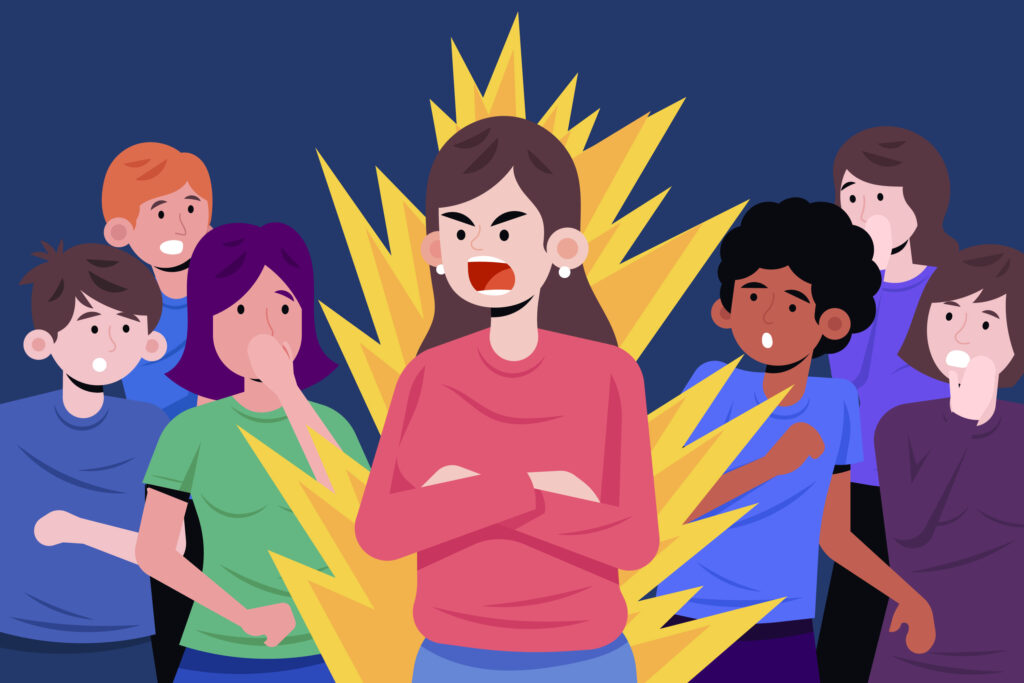
Most people think of anger as one emotion, that hot surge when something goes wrong. But psychologists have identified well over a dozen distinct types of anger, each with its own triggers, expressions, and consequences for your health and relationships.
Knowing your anger style is the difference between anger controlling you and you controlling it. Research shows 84% of Americans believe we’re angrier than a generation ago 40% of people with major depression also experience anger attacks 9% of U.S. adults have anger issues that may lead to violence.
Whether your anger shows up as an explosion, silence, or quiet resentment, this guide covers it all: what causes anger, how it affects your body, the 12 most common types, what happens when it becomes a clinical disorder, and specific management strategies for every type.
What is Anger and Why Does It Exist?
Anger is a common and natural emotion that represents an intense and negative reaction to an actual or perceived threat. We experience anger when feeling hurt, threatened, frustrated, or treated unfairly. While many believe anger is destructive, the original biological role of anger was as a survival mechanism: activating the fight-or-flight response, generating energy, and signaling that something needs to change.
Anger vs. Aggression:
Anger differs from aggression; the difference is essential. Anger is an internal emotional experience; aggression is an external behavior and a choice. Thus, an individual can feel extreme anger and express it without harming others, or choose not to express it at all. Anger management is never about eliminating this emotion. Successfully managing anger consists of directing this feeling productively.
There are two major axes along which anger can be characterized:
| Direction: Either inward (turned against yourself) or outward (directed toward others and/or the world) Duration: Either acute (short, intense outburst) or chronic (persistently low-grade undercurrent) |
Psychologists also recognize 3 major types of anger: passive, assertive, and aggressive, upon which exist various subtypes of anger. The types, and their many subcategories, are determined by a variety of factors such as personality traits, prior traumatic experiences, learned behavior, and underlying mental health conditions.
Healthy vs. Unhealthy Anger
Not all anger is harmful. The key difference lies in how it is expressed and what it does to the person feeling it and those around them.
| ✓ Healthy Anger | ✗ Unhealthy Anger |
| Expressed assertively, with “I” statements | Expressed through aggression, threats, or violence |
| Proportionate to the situation | Disproportionate, minor triggers cause major reactions |
| Resolves and passes | Lingers as resentment, bitterness, or chronic irritability |
| Motivates constructive change | Creates damage, shame, or regret |
| Respects others’ boundaries | Violates others’ safety, dignity, or space |
| Comes with self-awareness | Feels out of control or surprising |
Being in a constant state of anger is like slow poisoning yourself and others around you
Most people think of anger as one emotion, that hot surge when something goes wrong. But psychologists have identified well over a dozen distinct types of anger, each with its own triggers, expressions, and consequences for your health and relationships.
“Your anger affects you and the ones around you. Connect with a licensed therapist and receive online anger management therapy today.”
“We understand that life is tough, but there is no need to make it even tougher with all that unnecessary anger. Connect with a licensed therapist today and receive online anger management therapy.”
12 Different Types of Anger
There are many ways to express anger. Everyone will relate to more than one kind of anger at different points in life. The first step to changing this habit is to identify your primary expression of anger.
1. Assertive Anger (Tag: Constructive)
Assertive anger is unique in that it is the only constructive form of anger widely accepted as healthy. Instead of trying to explode or hold in their frustration, they express their feelings directly to the source in a respectful manner. For example, instead of saying, “I am angry at you because you constantly interrupt me,” they can express their feelings by saying, “I feel angry when you interrupt me, and I would like for us to work through this.” When expressing their anger assertively, the person shows equal respect for their own needs as for the needs of the person with whom they are interacting.
Tips for Managing Assertive Anger: Because you are using the best expression of anger, you can improve this by using assertive language when you engage in low-stakes conversations. If you are triggered by specific events that cause you to either explode or withdraw (i.e., avoid) from a situation, consider working with a mental health professional who can help you become more assertive.
2. Passive Anger (Tag: Internal)
A person exhibiting passive anger may show no physical signs of anger. Instead, their anger comes out indirectly through methods such as pouting, giving the cold shoulder, using sarcasm, or forgetting memorable details about someone they are angry with. A lot of the time, someone who is exhibiting passive aggression won’t even recognize that they are angry. They will first experience the emotion as sad, numb, and/or vaguely uneasy.
Passive aggression often forms when a person is punished or feels unsafe expressing their anger directly as a child. They say that anger is dangerous and must be suppressed. Anger still exists, but it will find less direct ways to be expressed.
Management Strategy: Journaling can help reveal what passive aggression is hiding. Emotion-focused therapy, in a direct way, is good for exposing unconscious feelings so they can be processed.
3. Passive-Aggressive Anger (Tag: Outward)
Passive-aggressive anger is more overt than mere passivity, leaving no doubt that someone is angry with you; however, those who use passive-aggression through punishing behavior rather than directly expressing their feelings. Commonly seen behaviors include chronic lateness, backhanded compliments, sulking, pretending not to know how to do something they “agreed” to do, and failing to perform a task even though they claimed they would. All of these actions validate the following message: I am angry at you for not knowing how to do something, and I will not admit to my anger, but I will do whatever I can to help you experience my anger.
People who are passive-aggressive fear confrontation, have low self-confidence, or believe that openly expressing anger will risk rejection or create conflict that is too much. Relationships can suffer in the long term because unresolved issues will persist due to a lack of confrontation.
Management Tip: Cognitive-behavioral therapy (CBT) helps individuals understand the underlying beliefs that create a pattern dance. Assertiveness training teaches individuals that being assertive is a safe and respectful way to express anger rather than passive-aggressive behavior. Couples therapy can help resolve patterns of passive-aggressiveness in long-term relationships.
4. Aggressive Anger (Tag: Outward)
Most people think of aggressive anger when they think of anger, screaming and yelling, throwing things, making threats, and verbally abusing people. Aggressive anger is very outward-focused, often impulsive, and builds very quickly. Unlike assertive anger, aggressive anger shows no regard for other people’s boundaries or safety.
The key point is that aggressive behavior is always a choice (even when it may feel automatic). If you can recognize the physical warning signs of aggression (heart racing, tunnel vision, clenched jaw, and heat), you will have a small window of opportunity to intervene before reaching your point of no return.
Management Tip: The most well-established ways to manage aggressive anger are cognitive behavior therapy (CBT) and structured anger management programs. You should have an escalation plan (i.e., identifying your triggers and creating an exit strategy before you reach the crisis point) in place to help you manage aggressive anger effectively. If aggressive anger has hurt someone else, you should seek professional assistance immediately.
5. Chronic Anger (Tag: Chronic)
Chronic anger is a long-lasting, low-grade simmering. It’s not like explosive outbursts; rather, it’s a constant, irritating, resentful, and bitter feeling that never really goes away. People with chronic anger often feel that the world isn’t, that everyone is incompetent and disrespectful, and that things never seem to go well for them. Their emotional baseline is adversarial.
The health implications of chronic anger are profound. The constant pressure on the body to produce high levels of stress hormones over time leads to an increased risk of cardiovascular disease, weakening the immune system, disrupting the ability to sleep, and significantly worsening depression and anxiety. Chronic anger is not an inherent personality defect; rather, it is a condition that can be treated with appropriate interventions.
Management Advice: Chronic anger typically has underlying roots in unresolved traumatic events, rigid patterns of thinking, or existing depression. Appropriate treatment requires prolonged therapeutic intervention combined with lifestyle changes, including physical activity, sleep hygiene, and stress-reduction practices. Mindfulness-Based Cognitive Therapy (MBCT) has demonstrated a positive impact on this area of dysfunction.
6. Volatile/ Explosive Anger (Tag: Outward)
Anger that is volatile/explosive is characterized by abrupt, intense, and disproportionate episodes of rage that occur in relation to the event that triggered them. For instance, spilling a drink or being stuck behind a slow-moving vehicle may trigger an explosion of rage that seems out of proportion to the event. Most people who have explosive rage experience an immediate sense of remorse, and often can’t remember why the trigger produced such a huge outburst.
Repeated and frequent episodes of explosive rage may qualify for the diagnosis of Intermittent Explosive Disorder (IED), one of the most prevalent diagnoses of rage for adults, estimated to affect 7-11% of the general population.
Management: Anger management, as delivered through therapy and Cognitive-Behavioral Therapy, is a first-line treatment. If a person is suspected of IED, a psychiatric evaluation should be conducted; in some cases, medications can augment therapeutic interventions. One of the key skills to be developed is to understand escalating times; the short time between a trigger and the explosive episode, when intervention may still be possible.
7. Self-Directed Anger (Tag: Inward)
This type of inward-directed anger is self-directed. The result is a pattern of self-criticism, guilt, feelings of shame, or, in more extreme circumstances, self-harm. This type of anger does not appear to be recognizable as ‘anger’, but instead appears or presents itself as ‘depressed’, ‘worthless’, or a continual feeling of ‘failing’.
A correlation between depression and anger is clear: approximately 40% of the population who have a diagnosis of major depressive disorder have had an episode of ‘anger’. If inward anger has not resolved in an adequate time frame, it will eventually lead to prolonging the duration and worsening of symptoms of depression.
How to Manage: Cognitive Behavior Therapy aims to challenge distorted self-blame and to teach the importance of being accountable without punishing oneself. Compassion Focused Therapy focuses specifically on self-attack that is caused by feelings of shame. If you are engaging in self-harm, seek assistance from a mental health professional.
8. Retaliatory Anger (Tag: Outward)
Retaliatory anger is an innate human instinct. When someone confronts you, attacks, or wrongs you, your immediate reaction will be to retaliate. Retaliatory anger is based on an individual’s self-preservation instinct, meaning that in situations of true fear, it is an acceptable response. However, when retaliatory anger reacts regardless of the level of fear, the problem begins. The more likely anger triggers automatically, the more likely new threats will result from past ones, as people have now learned to react with retaliatory anger.
The need to maintain one’s dignity, or save face, is related to this type of response. Plus, the act of saving one’s dignity (or lack of) will also magnify these types of actions when someone is publicly embarrassed, disrespected, or challenged regarding their status or value.
Management Tip: Delayed reaction techniques work well with this response. Pause before answering; this will allow your rational mind to catch up with your emotional reaction. Evaluate your answer based on two things: Are you evaluating this as a threat, or have you just felt threatened? Practice this delay over time to rewire your natural reflex response.
9. Moral/ Justifiable Anger (Tag: Principled)
Perceived injustices and breaches of ethics and rules can trigger justified anger. At its best, justified anger is a powerful tool – the foundation for advocacy, whistle-blowing, and establishing boundaries. But at its worst, justified anger becomes controlling and self-righteous; it’s used to justify aggressive behavior: “I can act this way because I’m correct.”
The determining factor is whether the justified anger results in constructive action or simply reinforces your belief that you’re better than everyone else, as well as giving you a false sense of authority to hurt others.
Tips for Management: Use your justified anger to create specific, targeted actions; don’t unleash generalized hostility. Take time to evaluate whether your justified anger stems from a belief in principle or from a desire to be correct. The assistance of an objective outsider (trusted friend or therapist) will help you remain focused on achieving what you want from your justified anger.
10. Shame-Based Anger (Tag: Deflecting Inward)
Anger associated with shame is directed at others to avoid feeling inferior. Individuals experiencing anger connected with shame do not tolerate their internal feelings of inadequacy and relieve the tension by projecting those feelings outward; thus, they blame, criticize, or show contempt toward others. Individuals who are angry due to shame are highly sensitive to criticism; they interpret neutral reactions as attacks and tend to lash out at those closest to them.
The method of avoiding being inferior associated with anger is similar to an emotional “hot potato.” If I feel inferior, I’ll make someone else feel inferior first. Avoiding feelings due to anger connected with shame can damage relationships with those who have provided acceptance (or who the individual desires acceptance from).
Management Tips: Therapy that uses a trauma-informed model, as well as developing resilience to shame, is extremely helpful in managing anger connected to shame. Through therapy, the primary focus is to instill self-compassion and accountability, that is, to eliminate the thought that if you make a mistake, you are a flawed person.
11. Intentional or Instrumental Anger (Tag: External)
Unlike most types of anger, intentional anger is a conscious choice rather than a spontaneous reaction. The individual uses this kind of anger to achieve desired outcomes (e.g., through intimidation, controlling another person’s behavior, or exerting control over others). Therefore, the individual is not losing control; they are only using the effect of appearing out of control to control others.
Whereas impulsive types of anger can be treated more easily because of their unpredictability, intentional out-of-control types of anger are much less likely to be impulsive and therefore more concerning. For this reason, intentional or instrumental anger can be difficult to differentiate from true emotional dysregulation and, therefore, can often be best treated by a specialist.
Management Tips: Use CBT to identify the unmet needs that drive your behavior, and develop influence strategies grounded in respect.
12. Repressed Anger (Tag: Buried)
Repressed anger may be so deeply buried that an individual may not even know it exists. Instead of feeling angry, they feel anxious, depressed, fatigued, or completely numb, until an incident occurs, even if it appears trivial, that activates their repressed anger. They explode with rage that surprises even themselves.
Repressed anger does not disappear; it builds up over time, often beginning in childhood when expressing anger resulted in punishment, shame, or not being loved. So the child learns that anger is wrong, and therefore cannot express it, and becomes enslaved by the belief that they don’t have it.
Tip for Managing: Psychotherapy (talk therapy) is the best choice for people who have repressed anger; it can access unconscious emotions and treat them directly. Somatic therapy (treatment of the body) can be useful for some people when therapy has reached its limits.
Signs You May Have Anger Issues
Occasional anger is completely normal. Anger issues are different; they involve persistent, disproportionate patterns that cause harm. Here are the main signs across four domains:
Physical Signs
- Racing heartbeat or chest tightness during minor frustrations
- Clenched fists or jaw, muscle tension
- Flushed face, hot sensation in the head
- Shaking, trembling, sweating
- Frequent headaches or gastrointestinal issues
Emotional Signs
- Feeling angry more often than not
- Anger that feels out of proportion to the trigger
- Difficulty returning to calm after becoming angry
- Chronic underlying irritability or resentment
- Frequent remorse or shame after outbursts
Behavioral Signs
- Yelling, swearing, or name-calling during conflicts
- Throwing, hitting, or damaging objects
- Physical aggression toward others
- Substance use to dull anger or relax
- Threatening behavior, verbal or implied
Relational Signs
- Loved ones feel like they’re walking on eggshells
- Frequent conflicts that don’t resolve
- People withdrawing from or avoiding you
- Job loss or professional consequences due to anger
- Isolation or cutting off relationships after conflicts
If you recognize several of these signs consistently, not just occasionally, speaking with a mental health professional is a productive and important next step.
What Anger Does to Your Body
When someone becomes angry, their amygdala (the part of the brain responsible for processing emotion) sends off an alarm, resulting in activation of the sympathetic nervous system’s fight-or-flight response.
The activation of this part of the brain produces an overproduction of the hormones adrenaline and cortisol from the adrenal glands into the rest of your body. Adrenaline and cortisol cause blood to be diverted from your digestive system into larger muscle groups. This leads to an increase in heart rate. Blood pressure also rises. Physically, one is preparing for a fight.
When the body experiences temporary anger, it is functional. But over the long term, and especially when one experiences chronic anger, the body’s extended reaction of stress leads to substantial bodily damage:
- Cardiovascular System: Increase in blood pressure and an increased risk of heart attacks and strokes.
- Immune System: The sustained presence of stress hormones over time reduces the body’s immune defenses.
- Brain: Chronic cortisol exposure is associated with dendritic atrophy and reduced gray matter volume in the prefrontal cortex and hippocampus — the hippocampus is actually more prominently documented in the literature (McEwen et al.). Limiting this to only the prefrontal region is an oversimplification.
- Sleep: Anger and obsessive thinking (rumination) disrupt your ability to fall asleep (sleep architecture) and how well you sleep (sleep quality).
- Digestive System: Blood being directed away from your gastrointestinal system increases the risk of conditions such as Irritable Bowel Syndrome (IBS) and/or stomach ulcers.
- Muscles and Pain: Chronic muscle tension can lead to severe headaches, jaw pain, and symptoms that resemble fibromyalgia.
- Chronic anger places the body in a constant state of stress, which results in elevated levels of cortisol, high blood pressure, and prolonged suppression of the body’s immune system. Chronic anger can lead to serious long-term health consequences.
Anger Disorders: When Anger Becomes a Clinical Issue
Approximately 7–11% of the general population experience significant anger issues, and around 9% of U.S. adults have anger problems that may lead to violence. Some of the anger disorders are explained below:
- Intermittent Explosive Disorder (IED)
Characterized by recurrent, sudden episodes of impulsive, aggressive behavior grossly disproportionate to any trigger. Symptoms include racing thoughts, intense rage, verbal assaults, and physical aggression, followed by feelings of relief and then remorse. Causes include genetics, brain chemistry irregularities (particularly serotonin), and childhood exposure to violence. Fully treatable with CBT; psychiatry may be helpful in some cases.
- Oppositional Defiant Disorder (ODD)
Primarily diagnosed in children and adolescents, the DSM-5 requires that symptoms must occur with at least one individual who is not a sibling, which is clinically important for accurate diagnosis. ODD frequently co-occurs with ADHD and is one of the most common reasons children are referred for mental health support.
- Anger as a Symptom of Major Depression
Anger is an underrecognized face of depression. Approximately 40% of people with MDD experience “anger attacks”, involuntary outbursts of anger. SSRIs have demonstrated effectiveness in reducing these in 64–71% of appropriately treated cases. If you experience anger alongside low mood, loss of interest, or hopelessness, depression screening is warranted.
- PTSD-Related Anger
Trauma survivors frequently experience hypervigilance and heightened irritability as part of their PTSD profile. The anger often activates in response to situations that unconsciously mirror the original trauma, even when the current situation carries little objective threat. Trauma-focused therapies (EMDR, CPT, Prolonged Exposure) address the root cause.
For many people, working through anger alone is hard. The patterns are old, the triggers are fast, and the old habits have deep grooves. That is exactly what therapists are trained to do, and asking for help is not a weakness. It is the most direct path to change.