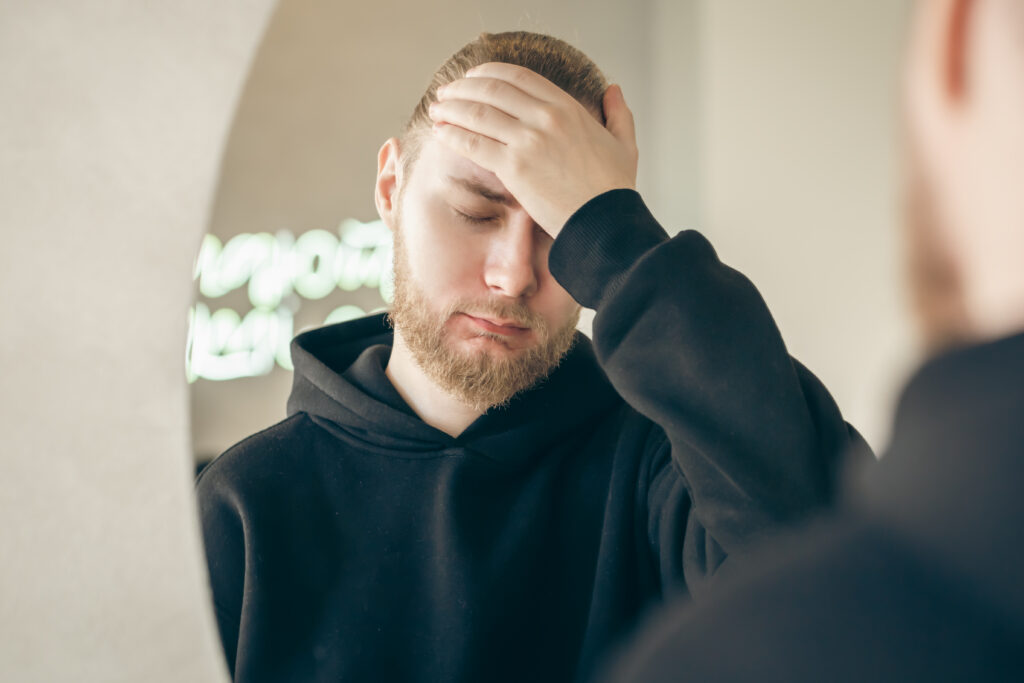
Bipolar disorder affects daily life in almost every direction. It disrupts sleep, strains relationships, makes holding down a job harder than it should be, and leaves a physical mark that most people never see coming. It is not just about mood. It is about every ordinary moment that mood touches.
According to the World Health Organization, an estimated 40 million people worldwide are currently living with bipolar disorder, making it one of the leading causes of disability globally. And yet, the lived experience of it remains widely misunderstood, both by the public and, often, by those who have it themselves.
What is Bipolar Disorder, Exactly?
Before getting into the daily impact, it’s worth being clear on what we’re actually talking about. Bipolar disorder isn’t simply a condition with extreme mood swings. It is a chronic psychiatric condition characterized by distinct periods of both mania (or hypomania) and depression. Moreover, people experiencing these episodes do not choose to be in them.
There are three types of bipolar disorder:
- Bipolar I: This is characterized by the presence of a full manic episode that lasts a minimum of 7 consecutive days, typically followed by periods of depression.
- Bipolar II: The second type is characterized by the presence of at least one hypomanic episode (hypomania is less severe than a full manic episode) and one or more major depressive episodes.
- Cyclothymic disorder: A milder form of bipolar disorder that is characterized by subthreshold hypomanic and depressive symptoms that have been present for at least two years (1 year in children/teenagers)
Bipolar disorder typically first manifests around age 20-25 years. Although many people experience symptoms as early as their teenage years or as late as their late 20s. It generally takes an individual several years to receive a correct diagnosis. This is due to the similarities between bipolar disorder and major depressive disorder and the difficulty of identifying a manic episode.
What Does Daily Life With Bipolar Disorder Actually Look Like?
The effects of bipolar disorder reach far beyond mood. They touch nearly every functional area of a person’s life, such as sleep, relationships, work, physical health, and how they see themselves. Below is a closer look at each:
1. Bipolar Disorder Disrupts Sleep
When it comes to bipolar disorder, sleep is a key component of everyday life. Sleep issues are an inherent part of bipolar disorder (BD) rather than a side effect of the disorder.
– During manic episodes:
The need for sleep is greatly reduced. Many people feel perfectly fine with just 2 to 3 hours of sleep during this time and report feeling energetic and euphoric.
– During depressive episodes:
Conversely, when a person is in a depressive episode, some people experience excessive sleeping (hypersomnia) while others have insomnia. In short, most people with BD get either too little sleep during mania or too much during depression.
Additionally, when you experience episodes, your sleep can make them worse. This establishes a cycle that is difficult to break. Providers strongly encourage people with BD to have a consistent sleep schedule, as this is one of the best lifestyle habits to control the disorder. Work shifts add stress to patients because they disrupt circadian rhythms.
2. Bipolar Disorder Takes a Toll on Relationships
Relationships are often where the intangible manifests itself in practical ways. Many people with bipolar disorder will say that their greatest source of ongoing pain is not actually from their own episodes, but rather from the repercussions and results of those episodes on family members.
– Romantic partners & relationships
Impulsivity can impact your relationship during manic episodes. You may make decisions such as large purchases, drastic changes in your lifestyle, or have an intense need for sexual intimacy that all seem reasonable at that moment. Still, you could ultimately be irrational and terrifying to your partner. Irritability during manic episodes can also strain a relationship by creating unnecessary conflict, something that most people don’t experience during their regular daily lives. Therefore, when you experience irritability during a manic episode, it can easily escalate into a heated argument between you and your partner.
– Family
Parents, siblings, and close friends of people with bipolar disorder often experience emotional hypervigilance. They constantly monitor the person’s mood and pay close attention to early warning signs, or walk on eggshells around them. The caregiving burden of being concerned for a person with bipolar disorder can take an emotional toll on relationships over time, even when all parties are doing their best to maintain the relationship.
– Friends
Friendships can also be lost due to missed opportunities for social engagement, such as an episode of depression or difficulty managing behaviors during an episode of mania. This loss of social engagement does not represent a direct symptom of bipolar disorder. Instead, it is part of the day-to-day experience that results from living with the effects of bipolar disorder on friendships.
3. Bipolar Disorder Gets in The Way of Your Work Life
Research indicates that bipolar disorder reduces a person’s probability of being employed by nearly 40%. Some older survey data imply that at least 60% of the individuals who have been diagnosed with bipolar disorder may experience periods of unemployment at any point in time, and this is even for the number of individuals who have a college education. Additionally, bipolar disorder has been associated with some of the highest labor costs of any mental health condition, including absenteeism and disability-related expenses.
– The consistency issue
This is not about having the capability to do the job; it is about being able to perform consistently. An employee experiencing a manic episode may be extremely productive; they may work extended hours, generate ideas, and make progress toward project deadlines with high energy and intensity. However, the episodes of depression that a person experiences will make it difficult for them to complete even the simplest of tasks, and they will likely be unable to arrive at work regularly, which is a basic expectation of most jobs.
– Stigma in the workplace
There are a significant number of individuals living with bipolar disorder who cope with their condition in silence. Almost 24% of individuals diagnosed with bipolar disorder have not told anyone at work about their diagnosis; many of those who have done so have experienced discrimination, and others regret having disclosed their diagnosis due to concerns about being viewed as untrustworthy or unstable. The stigma associated with bipolar disorder is not simply an imagined fear; actual instances of bias continue to influence career or employment decisions.
Research has established that working in a supportive environment has numerous advantages for individuals in recovery from bipolar disorder, such as:
- The presence of flexible work schedules, reduced workplace stress
- Understanding and tolerating times when someone may be having difficulty at work can enhance an individual’s ability to recover from bipolar disorder and improve their quality of life.
Unfortunately, these working conditions remain the exception rather than the rule.
4. Physical Impact Of Bipolar Disorder
Bipolar disorder is often categorized as a mental health disorder; however, it has a large amount of physical impact, as discussed below:
– Appetite and Weight
Bipolar disorder can cause an individual to not recognize their body’s cues for hunger, in both directions. While manic, individuals may not eat at all; the body is full of adrenaline and energy, so there are no feelings of hunger. Conversely, while depressed, an individual may have a negative or no appetite and eat little, or they may eat for comfort, as eating may be the only thing that seems manageable during that time.
Neither of these behaviors is a lifestyle choice, but rather they are both caused by the changes occurring in the individual’s brain and neurochemistry during that episode; over time, the on-again-off-again eating habits will likely result in drastic changes in one’s weight, which will also lead to physical, emotional, and medication-related problems with self-image.
– Libido and Sexual Functioning
One of the most frequently noted physical effects of being bipolar is libido; yet, little is said about changes to libido as a result of mood changes. When someone is in a manic episode, there is an increase in sexual desire (increased libido). Still, upon reflection, the impulsive nature of decisions during manic episodes may leave a person feeling very different from how they felt at the time of the episode. Whereas when they are in a depressive episode, the effects on libido are the opposite, and libido decreases significantly, and in some cases, Libido may significantly decrease.
For people in relationships, the inconsistency of experiencing several months of increased intimacy, followed by several months of near non-existent intimacy, can be very challenging to manage. The ups and downs associated with being in a relationship with someone with bipolar disorder do not occur due to a lack of conscious thought but are instead related to their moods.
– Cardiovascular and Long-Term Health
Those with this mental illness are at an increased risk for developing certain chronic conditions, including cardiovascular disease and metabolic disorders. The long-term health risks associated with bipolar disorder are a result of both the physiological toll of experiencing chronic mood dysregulation and the side effects from taking chronic medications that alter mood (mood stabilizers and/or antipsychotics), including altering metabolism and weight. The management of bipolar disorder is not just a mental health issue; it is also an issue concerning overall physical health and survival.
Bipolar Disorder Affects Every Relationship You Have. Including the One With Yourself
The self-blame during the lows, the identity questions that come with the territory. A specialist addresses all of it
Find specialized online bipolar disorder therapy in the US and separate who you are from what bipolar disorder does.
Find specialized online bipolar disorder therapy in Canada and separate who you are from what bipolar disorder does.
What Has Proven Effective for Bipolar Disorder
It would not be right to talk about the problems without addressing what has made a positive impact. Things help, like:
1. Medication remains the basis of treatment
Mood stabilizing medications such as Lithium, Valproate, and Lamotrigine, along with antipsychotics, are commonly used, and it may take time for a doctor and patient to find the best combination of medications. Side effects can be a big reason for not using medications consistently. However, if the right medications are used consistently, they can reduce the frequency and severity of episodes.
2. Therapy has been an important component of treatment
CBT (Cognitive Behavioral Therapy) is a way to identify and change ways of thinking and behaving that are connected to episodes of illness. IPSRT (Interpersonal and Social Rhythm Therapy) is specifically designed to address the relationship between a person’s daily routines and their mood stability. This has been the main disruption to a person’s daily routine, as discussed in this article.
3. Lifestyle is more important than many people realize
Consistent sleep and eating patterns, moderate exercise, avoidance of alcohol, and stress management can provide substantial protection against the development of an episode. Keeping track of one’s moods (through a journal or a symptom app) can help an individual identify early signs of an impending episode.
Final Words
Living with bipolar disorder means living with uncertainty. You learn to pay close attention to your internal cues and rely on them, even though they may not prove to be 100% effective. You also learn to manage a disease that requires attention daily, while at the same time trying to create or develop a lifestyle that is not defined by this illness.
– If you or someone you know is experiencing symptoms of bipolar disorder, speak with a licensed mental health professional or primary care physician. Early diagnosis and consistent treatment are the most important factors in long-term quality of life.