Online Iron-Deficiency Anemia Testing & Treatment

Skip the waiting room and get online treatment for iron-deficiency anemia, with no weeks-long wait for an appointment. Our virtual doctors are available 24/7 to assess your symptoms, order your blood tests, go over the results with you, and build a treatment plan to get your iron levels back to normal.

Tired woman resting her head on her hand while talking to a doctor on a video call about her blood test results
★★★★★4.8 on the App Store

Trusted by millions of patients across the United States

★
Over 1 million patients served5-star Doctor Ratings
4.5 average app rating5,000+ App Store reviews
★
4.6 Trustpilot rating1k+ Trustpilot Reviews

How getting iron deficiency anemia treatment online works

Getting anemia and iron deficiency treatment with Your Doctors Online is easy, and you don't need a primary care provider or family doctor. It starts with an online doctor consultation, followed by blood tests and a custom treatment plan that your doctor follows up on. Most people can start the same day.

1

Tell a doctor what you're feeling

Start your virtual visit via chat, audio, or video, and describe your symptoms and any past blood test results. A licensed doctor connects with you within minutes.

2

Get your blood tests ordered

Your doctor will review your medical history and send an online lab requisition for a complete blood count (CBC), a ferritin test, and an iron panel that you can take to any accredited lab.

3

Start your iron deficiency anemia treatment plan

Your doctor reviews your results, prescribes iron when needed, and monitors your progress with follow-up blood tests. They can adjust your dose if your levels aren't improving and help you manage side effects.

What are the treatment options for iron deficiency anemia?

Treatment depends on your blood test results, symptoms, and the cause of your iron deficiency. Common options include:

  • Oral iron supplements: Ferrous sulfate, ferrous fumarate, and ferrous gluconate are common options. Your doctor will recommend the appropriate dose and schedule. Hemoglobin often starts to rise within the first few weeks, and treatment usually lasts 3 to 6 months so your body can rebuild its iron stores.
  • Taking iron correctly: While iron is best absorbed on an empty stomach, taking it with a small amount of food may help if it upsets your stomach. Tea, coffee, calcium, and antacids can interfere with absorption, so take them at a different time.
  • Iron-rich foods: Meat, poultry, seafood, beans, lentils, tofu, and fortified cereals can support recovery. Foods high in vitamin C, such as citrus fruits and bell peppers, help your body absorb plant-based iron. Diet alone may not correct iron deficiency or iron-deficiency anemia. See our full list of iron-rich foods for anemia.
  • IV Iron: An iron infusion may be recommended if tablets do not work, cause intolerable side effects, or cannot be absorbed properly, or if iron levels need to be corrected quickly. IV iron is given in a clinic or hospital.
  • Blood transfusions: These are generally reserved for severe anemia that needs urgent correction. Iron treatment may still be needed afterward to rebuild your stores.

Heavy periods, pregnancy, poor iron absorption, and bleeding in the stomach or intestines can cause iron deficiency. If your hemoglobin does not improve, your doctor may investigate ongoing blood loss or other causes.

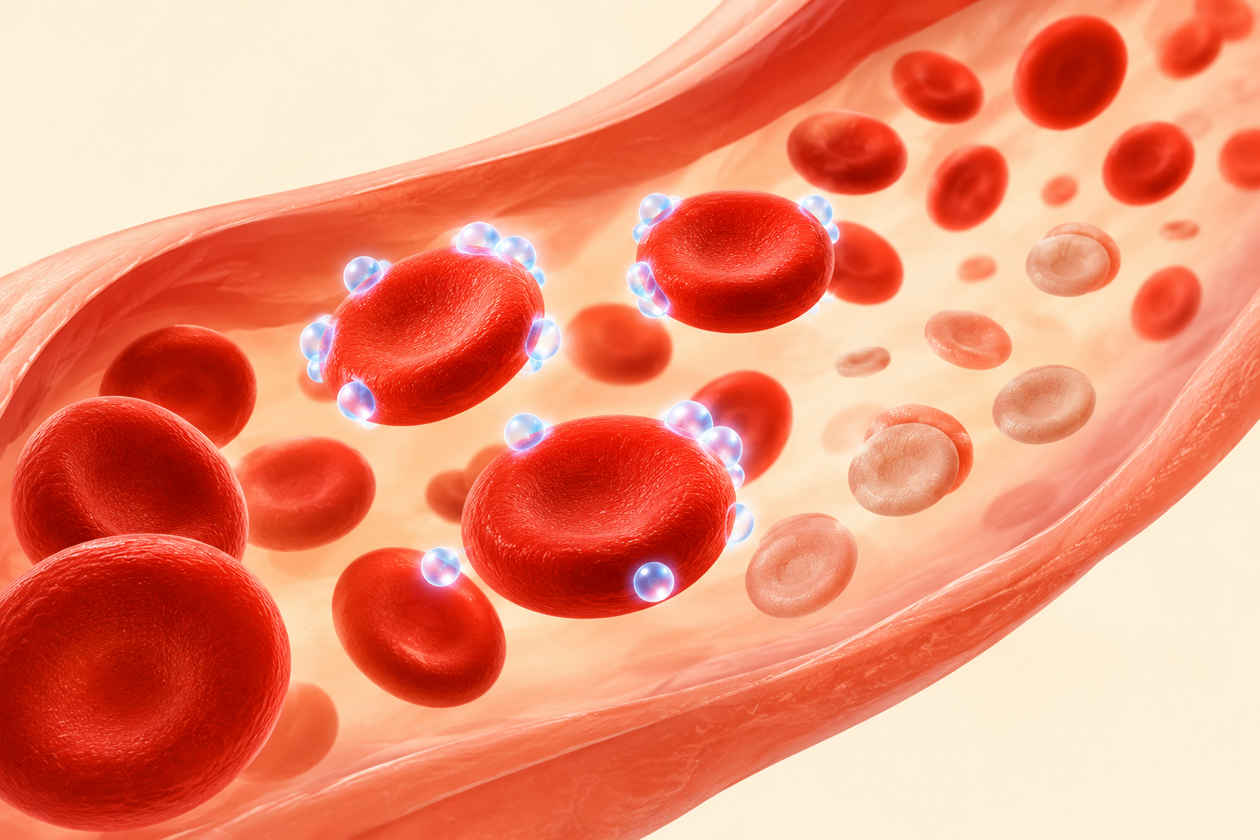
Illustration of red blood cells carrying oxygen, some pale and smaller from low iron

What is iron deficiency, and what is iron-deficiency anemia?

Your body needs iron to make hemoglobin, a protein in your red blood cells that carries oxygen throughout your body.

Iron deficiency means your body does not have enough stored iron. If your iron levels stay low, your body may eventually struggle to produce enough hemoglobin, leading to iron-deficiency anemia.

  • Iron deficiency without anemia: Your iron stores are low, but your hemoglobin is still normal. You may feel fine or notice mild tiredness.
  • Iron-deficiency anemia: Your hemoglobin is also low, which can cause fatigue, dizziness, pale skin, and shortness of breath.

Not all anemia is caused by low iron. Vitamin B12 deficiency and other types of anemia need different treatments, so blood tests help your doctor identify the cause. Learn more about anemia symptoms and causes, including the other main types.

What are the symptoms of iron-deficiency anemia?

When your body doesn't have enough iron to make hemoglobin, less oxygen reaches your tissues, causing:

  • Tiredness and weakness
  • Pale skin
  • Shortness of breath or a fast heartbeat
  • Headaches, dizziness, or lightheadedness
  • Cold hands and feet
  • Brittle or spoon-shaped nails
  • A sore tongue or cracks at the corners of your mouth
  • Restless legs
  • Craving ice or non-food items (pica)

Mild anemia may cause no symptoms, and some low iron symptoms can start before your hemoglobin drops. You're at higher risk if you have heavy periods, are pregnant, follow a vegetarian or vegan diet, donate blood frequently, or have a digestive condition that affects iron absorption. Regular aspirin or NSAID use and endurance training can also increase your risk. If you're pregnant, read more about iron deficiency in pregnancy.

How do you test for iron deficiency at home?

Some at-home finger-prick tests check ferritin, a protein that shows how much iron your body stores. However, these tests cannot diagnose iron-deficiency anemia on their own, and results may be inaccurate. The FDA advises discussing home test results with a healthcare professional.

To confirm iron deficiency, your doctor may recommend:

  • Complete blood count (CBC): Measures your hemoglobin and red blood cell count to identify anemia.
  • Ferritin test: Measures your stored iron and can detect iron deficiency before anemia develops.
  • Additional iron tests: Serum iron, transferrin saturation, or total iron-binding capacity (TIBC) may help clarify your results.

Your doctor will interpret these results alongside your symptoms and medical history. You can get an online lab requisition and have your results reviewed without visiting a clinic for the consultation.

What is the fastest way to treat anemia?

The fastest ways to raise hemoglobin are IV iron or a blood transfusion, but these are only used in severe or urgent cases.

For most people with iron-deficiency anemia, the first treatment is oral iron supplements.

After starting treatment, you may feel better within a week, but hemoglobin usually takes weeks to recover. Treatment generally means taking iron as directed, eating iron-rich foods with vitamin C, and having your blood count rechecked after a few weeks. Most people keep taking iron for about 3 months after their hemoglobin returns to normal to rebuild their iron stores and reduce the chance of anemia returning. For a closer look at how quickly levels rise, read our guide on how to increase hemoglobin.

How much does online iron deficiency treatment cost?

From $20 / month

Subscription, cancel anytime.

  • Unlimited consultations, 24/7
  • Lab requisitions for your CBC, ferritin, and iron tests
  • A doctor to review your blood test results with you
  • Iron prescriptions sent to your chosen pharmacy, when needed
  • Follow-up visits to check that your treatment is working

No per-visit fee, no waiting room, and no insurance needed to talk to a doctor.

Chat with a doctor now

Real experiences from our 1 million+ patients

Patients across the United States use Your Doctors Online for fast, affordable, and reliable care.

“

Very kind. I asked about a fungal issue and he gave me valuable advice!

~TaewooTrustpilot
“

Needed to be seen for a skin infection that spread quickly. I was assessed and picked up a prescription in a couple of hours, without having to miss work!

~THTrustpilot
“

Instead of going to emergency for my son's rash, I spoke with Your Doctors Online and they helped with it all, even sent a prescription to my local pharmacy.

~CassandraTrustpilot
“

After a week of a sudden, painful skin infection, a kind and thorough physician sent two prescriptions to my pharmacy. Easy, and I'm feeling 100% now.

~Nicole D.Trustpilot
“

It's a 24/7 platform. That's already a rare advantage. The doctors were able to help me with severe skin reactions.

~Esther W.Trustpilot
“

Doctors are professional and knowledgeable, and took time to explain treatment options clearly. I'd recommend this to anyone seeking skin care treatment.

~Liezl A.Trustpilot

Meet our online doctors in the United States

When to see a doctor for iron-deficiency anemia and what to expect

Talk to a doctor if you have symptoms of iron-deficiency anemia, such as tiredness that doesn't improve with rest, pale skin, or shortness of breath, especially if you have heavy periods, are pregnant, or follow a vegetarian or vegan diet. A blood test can confirm the cause.

Most anemia can be diagnosed and treated by a primary care doctor, including an online doctor. An online doctor can review your symptoms and test results, arrange blood tests, prescribe iron when appropriate, and advise whether you need in-person care. You may be referred to a specialist, such as a hematologist (blood specialist), if the cause isn't clear or treatment isn't working.

If you already have a diagnosis of iron deficiency and your symptoms aren't improving on iron supplements, follow up with your doctor to check whether your treatment is working or needs adjusting. They can recheck your blood count and look for other causes if your hemoglobin isn't rising. Keep taking iron for as long as your doctor recommends, even once you feel better.

Get emergency care right away if you have chest pain, trouble breathing, fainting, vomiting blood, heavy rectal bleeding, or black, tarry stools, which can be signs of internal bleeding. Severe symptoms, blood transfusions, and endoscopies need in-person care.


Frequently asked questions

What is a low iron level for a woman?
A ferritin below 30 ng/mL usually means your iron stores are low, and below 15 ng/mL means they're close to empty. If your hemoglobin is also under 12 g/dL and you're not pregnant, that counts as anemia. Labs use slightly different ranges, so your doctor will read your numbers alongside your symptoms.
Can I treat iron deficiency on my own?
Not safely without a blood test first. Tiredness and pale skin can come from other types of anemia, like vitamin B12 deficiency, which iron won't fix. Taking iron you don't need can also cause harm, and treating it yourself can hide a cause that needs attention, such as slow bleeding in the gut. A blood test shows whether iron is the problem, how low your stores are, and how long you'll need treatment.
Can I get anemia treated without going to a clinic?
Yes. You can talk to a licensed doctor online about your symptoms, get your blood tests ordered through a lab requisition, and go over the results together. If you need iron, your doctor can send a prescription to your pharmacy. You'll still visit a lab for the blood draw, and severe anemia needs in-person care.
How does anemia affect dental treatment?
Tell your dentist if you have anemia. Severe anemia can slow healing and, depending on the cause, raise your risk of bleeding, so your dentist may change the timing or type of treatment.
Can hemorrhoids cause anemia?
Yes. Ongoing bleeding from hemorrhoids can lead to iron-deficiency anemia. Rectal bleeding and low iron can also come from other parts of the gut, though, so your doctor will want to confirm where the bleeding is coming from before treating the anemia. You may need iron supplements until the bleeding is under control.
Get it on Google PlayDownload on the App Store

Get your iron levels back on track, starting today

Talk to a licensed doctor, get your blood tests ordered, and start a treatment plan built around your results.

Talk to a doctor about iron
Iron deficiency treatment
Blood tests and iron Rx
Talk to a doctor